
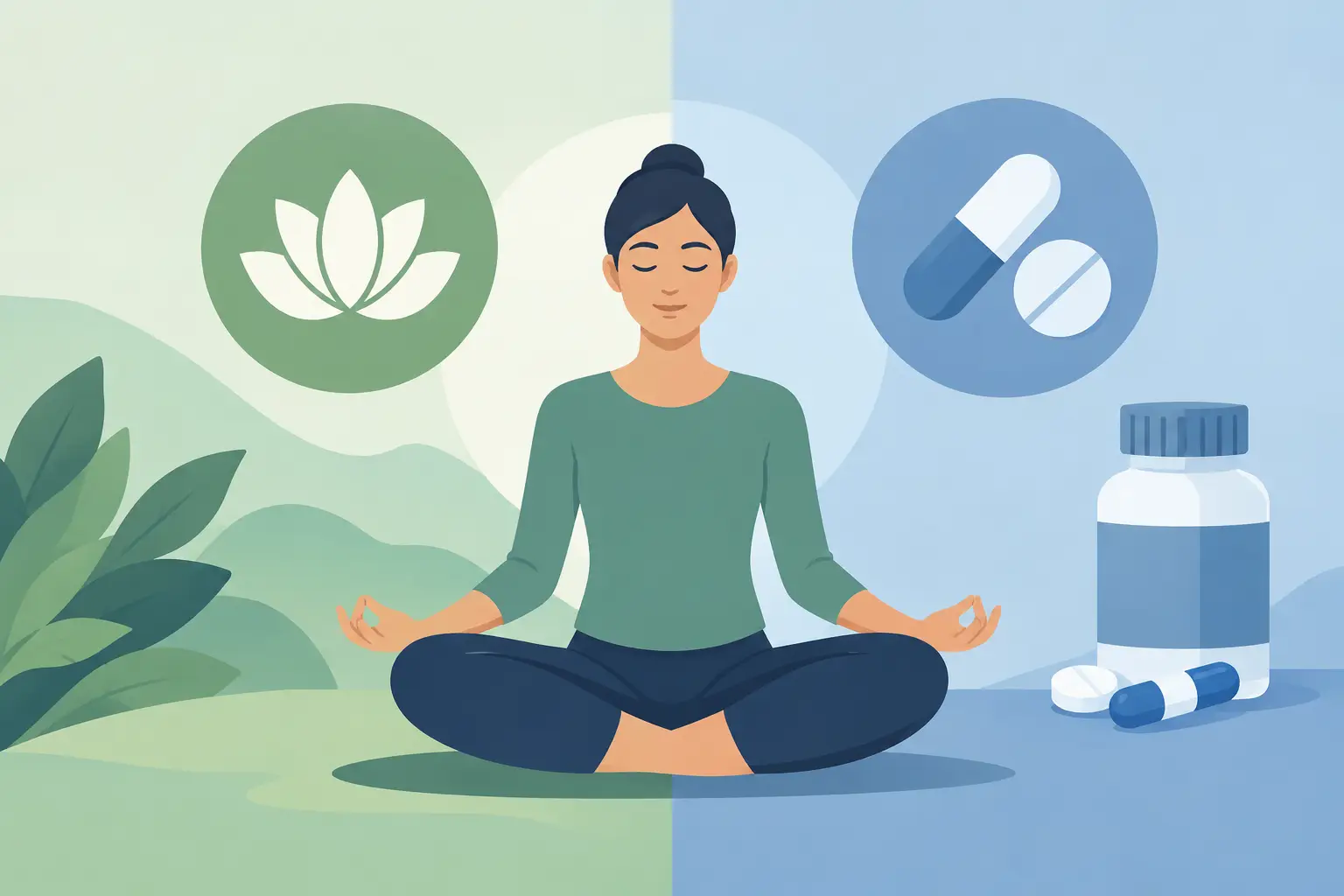
Meditation Versus Pain Medication: What Helps?
A pain flare can make every choice feel urgent: Take something now? Push through? Lie still and hope it passes? The conversation around meditation versus pain medication is not about proving that one option is morally better than the other. It is about giving yourself more than one path toward relief, with safety, compassion, and personal agency at the center.
Pain is real, whether it is sharp, aching, burning, recurring, or tied to stress and emotional exhaustion. You do not need to earn support by suffering longer. Medication can be an appropriate and necessary part of care for many people. Meditation can also become a practical skill that helps you change your relationship with pain, calm the stress response, and create more room for ease in daily life.
Why pain is more than a physical sensation
Pain begins with signals in the body, but the experience of pain is influenced by far more than tissue, joints, or nerves. Poor sleep, grief, fear, anger, pressure at work, old emotional wounds, and the belief that a difficult moment will never end can all amplify the nervous system’s alarm.
This does not mean pain is “all in your head.” It means your whole self deserves care. When the nervous system is on high alert, the body may tighten, breathing may become shallow, and ordinary discomfort can feel overwhelming. A holistic approach makes space for physical treatment while also tending to the emotional, mental, and spiritual patterns that may be keeping the alarm switched on.
For a caregiver who never gets a true break, or a working adult who holds stress in their neck, back, or jaw, pain relief may involve more than treating a symptom. It may also involve learning how to pause, release judgment, notice what the body is carrying, and respond with a new habit.
Meditation versus pain medication: different jobs, not enemies
Pain medication generally works by changing pain signals, inflammation, muscle tension, or the way the brain processes discomfort. Depending on the medication and condition, it may provide fast, meaningful relief that makes it possible to sleep, move, recover from an injury, or participate in physical therapy. For acute pain, post-surgical pain, severe migraines, inflammatory conditions, and many other situations, medication may be an essential medical tool.
Meditation does something different. It trains attention and awareness. Rather than promising to erase every sensation, it can help you notice pain without immediately adding panic, resistance, catastrophic thoughts, or muscular bracing. Over time, this practice may help reduce stress-related amplification of pain and build confidence in your ability to meet difficult moments.
The trade-off is timing. Medication may work relatively quickly, though it can also bring side effects, interactions, tolerance concerns, or dependence risks depending on the type and duration of use. Meditation has few physical side effects and is available anywhere, but it is a learned practice. It may not feel powerful on day one, particularly when pain is intense or your life feels overloaded.
Neither approach should be treated as a one-size-fits-all answer. A person with a new, severe symptom needs medical evaluation, not pressure to meditate through it. A person who has relied on medication for years may benefit from adding self-management skills, but should never stop or change prescribed medication without guidance from a qualified clinician.
What meditation can offer when pain keeps returning
Meditation is often misunderstood as sitting perfectly still with an empty mind. Real practice is much more human. It can be two minutes of breathing before a stressful meeting, a body scan while lying down, a quiet walk, or a moment of placing a hand on your heart and asking, “What do I need right now?”
For recurring pain, meditation can support several important shifts. First, it gives your nervous system practice in moving out of fight-or-flight. A slower exhale, softened shoulders, and attention anchored in the present can signal greater safety to the body.
Second, meditation helps separate the sensation from the story around it. You may notice, “There is a tightness in my lower back,” instead of, “My body is failing me and this will ruin my whole week.” That shift is not denial. It is a way to reduce the extra layer of fear that can make pain feel larger.
Third, regular practice can reveal patterns. Perhaps headaches rise after skipped meals and conflict. Perhaps knee pain feels more intense after a restless night. Perhaps you hold anger in your chest long after a conversation ends. Awareness creates choices, and choices create freedom.
A simple practice for a difficult moment
When pain or stress rises, try this gentle three-minute reset. Choose a supported position. You can sit in a chair, recline, or lie down if that is more comfortable. There is no prize for forcing a posture that hurts.
Begin by looking around the room and naming three things you can see. This helps orient your nervous system to the present. Then breathe in naturally and allow the exhale to be a little longer, without straining. On each exhale, silently say, “Softening” or “I am here.”
Next, bring attention to the painful area with curiosity rather than criticism. Ask yourself whether the sensation is hot, cool, pulsing, tight, dull, or moving. If direct focus makes the pain feel worse, shift attention to a neutral area, such as your hands or feet, or return to the feeling of support beneath you.
End by asking one practical question: “What is the kindest next step?” The answer might be water, rest, a prescribed treatment, a call to your doctor, a brief walk, or a boundary with someone who is draining your energy. Meditation becomes useful when it supports wise action, not when it asks you to ignore your needs.
When medication may be the right support
There is no virtue in avoiding medication that has been appropriately recommended for your condition. Relief can help you regain mobility, sleep, and the capacity to participate in healing activities. For some people, medication creates the stability needed to begin meditation or other supportive practices.
Talk with your prescribing clinician or pharmacist if side effects are interfering with your day, if you are taking multiple medications, or if you want to reduce reliance on a medication. Ask about your specific diagnosis, options, risks, and a plan that supports your goals. If opioids, sedatives, or other medications that can cause withdrawal are involved, do not stop suddenly without medical direction.
Seek urgent medical care for chest pain, trouble breathing, sudden weakness or numbness, confusion, a severe new headache, loss of bladder or bowel control, high fever with severe pain, or pain after a serious injury. Meditation is a supportive wellness practice, not a replacement for emergency or diagnostic care.
Creating a fuller pain-relief plan
The most empowering question is often not, “Which one wins?” It is, “What combination of support helps me live with more ease?” Your plan may include medical care, gentle movement, restorative sleep, nourishing food, therapy, physical therapy, spiritual practice, and techniques for releasing stress and emotional charge.
Start small enough that you can actually continue. Try a five-minute meditation at the same time each day for two weeks. Keep a simple note of your pain level, sleep, stress, medication use, and what seemed to help. The goal is not perfection or instant transformation. The goal is to understand your own patterns and strengthen your ability to respond.
At EnergyMDT, the focus is on practical, healing-oriented tools you can return to when life gets hard. You are not powerless in the presence of pain. Even when medication is part of your care, you can learn skills that help you feel less controlled by stress, fear, and old patterns.
Do NOT let pain make every decision for you. Give yourself permission to seek medical support when needed, to rest without guilt, and to practice one moment of inner calm at a time. Your next breath can be a small, real step toward more ease, joy, and a life that feels like yours again.
 editorial team
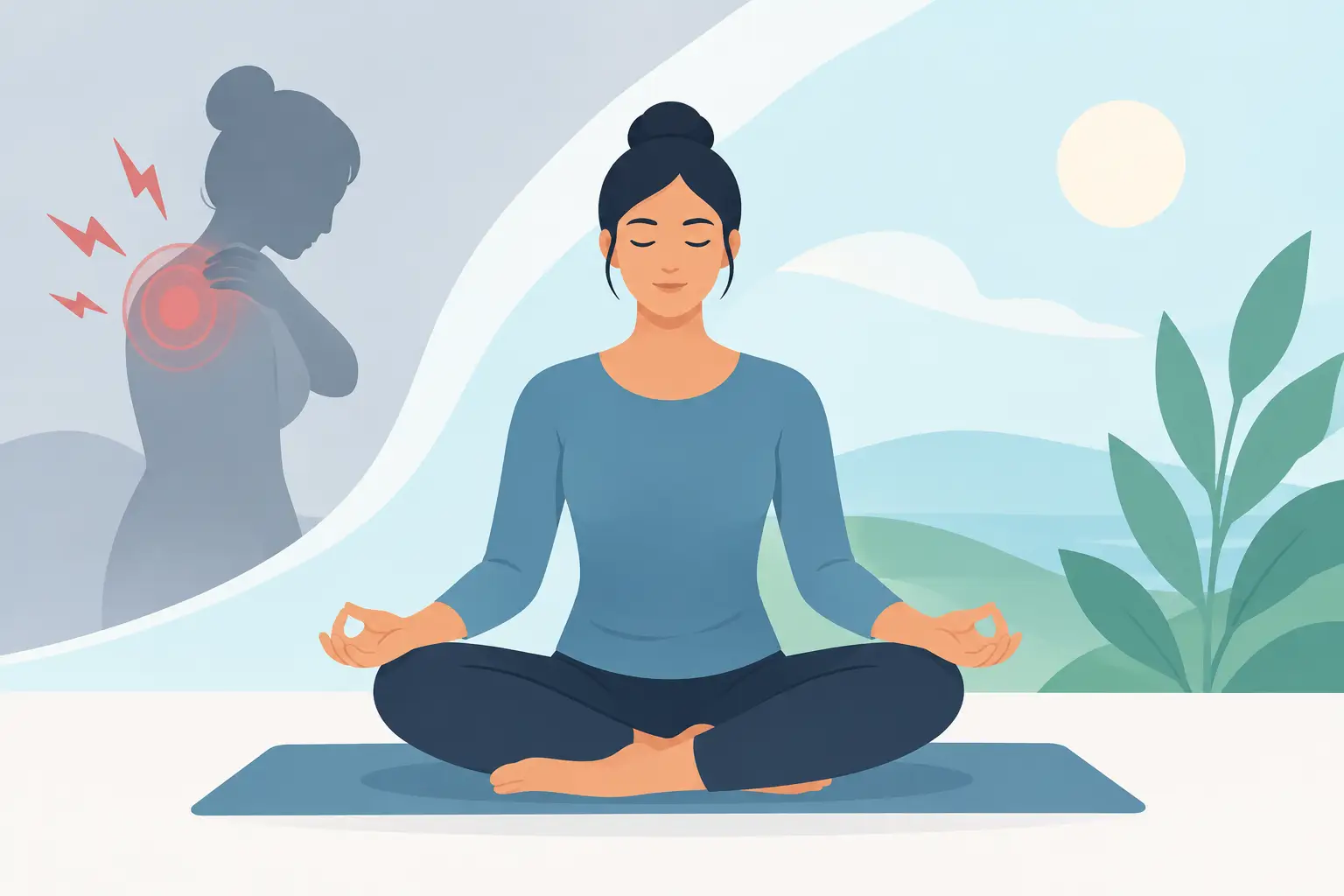
Can Meditation Reduce Pain? A Practical Answer
Pain can change the shape of a day. It can make getting dressed feel like work, shorten your patience with people you love, interrupt sleep, and leave you wondering how much of your life you have to plan around it. So, can meditation reduce pain? For many people, it can become a meaningful part of pain relief – not by pretending the pain is imaginary, but by helping the body and mind stop adding layers of tension, fear, and stress to an already difficult experience.
Meditation is not a magic switch, and it is not a replacement for appropriate medical care. Yet it is a skill you can carry with you: during a flare-up, before a stressful meeting, while waiting in a medical office, or in the quiet moments before bed. With practice, it can help you reclaim more ease, choice, and confidence.
Can Meditation Reduce Pain by Changing Your Response?
Pain is physical, but it is also an experience shaped by the nervous system. When the body senses possible danger, it sends protective signals. Stress, poor sleep, worry, grief, anger, and past emotional hurt can keep that alarm system on high alert. This does not mean pain is “all in your head.” It means your whole being is involved, and your whole being deserves support.
Meditation can help create a pause between the sensation and the alarm that often follows it. Instead of immediately tightening your muscles, holding your breath, catastrophizing, or bracing for the worst, you practice noticing what is here with steadiness. That calmer response may reduce muscle tension and support a less reactive nervous system.
For someone with recurring back pain, for example, the first signal of stiffness may trigger the thought, “Here we go again. My whole day is ruined.” The fear is understandable. But fear can also lead to shallow breathing, guarding, and more tension. A meditation practice creates room for a different response: “This is uncomfortable. I can breathe. I can soften what is safe to soften. I can take the next helpful step.”
That shift does not deny reality. It reduces the extra suffering that can grow around pain.
What Meditation May Help With
Research and lived experience both suggest that mindfulness and related meditation practices may help some people reduce pain intensity, emotional distress around pain, or the way pain interferes with daily life. The results vary. A person with acute injury pain, migraine, arthritis, fibromyalgia, nerve pain, or pain connected to trauma may each need a different combination of support.
Meditation is often especially helpful when pain and stress feed one another. Chronic pain can create worry and exhaustion. Worry and exhaustion can make the nervous system more sensitive. Meditation gently interrupts that cycle by training attention, settling the breath, and bringing awareness to habitual reactions.
Benefits may include better sleep, less stress-driven muscle holding, improved awareness of personal triggers, and greater emotional balance. Many people also appreciate that meditation gives them something they can do for themselves. That sense of agency matters when pain has made life feel small or unpredictable.
At the same time, meditation may not dramatically lower physical sensations for everyone. Sometimes its greatest benefit is helping you meet pain without panic, isolation, or the feeling that you have lost yourself. That is not a small result. It can make it easier to stay connected to work, family, movement, pleasure, and hope.
The Practice Is Not About Forcing Yourself to Relax
People often think meditation means clearing the mind or sitting perfectly still for 30 minutes. It does not. If sitting increases your discomfort, lie down, stand, walk slowly, or rest in a supportive chair. If closing your eyes feels unsafe or unsettling, keep them open and let your gaze rest softly on one spot.
The goal is not to overpower pain with positivity. Telling yourself everything is fine when it is not can create more internal struggle. Instead, meditation invites honesty without judgment. You might notice, “There is throbbing in my shoulder,” or “My jaw is clenched,” or “I am afraid this will get worse.” Naming what is present can reduce the exhausting effort of fighting your own experience.
For some people, focusing directly on a painful area feels supportive. For others, especially those carrying trauma or intense anxiety, it may feel overwhelming. Start with an anchor that feels safer: the sensation of your feet on the floor, sounds in the room, a hand over your heart, or the natural rise and fall of the breath. You control where your attention goes.
A Five-Minute Meditation for Pain and Stress
Use this short practice when you want gentle support. Five minutes is enough to begin. Consistency matters more than perfection.
First, choose a position your body can tolerate. Let your shoulders be supported if possible. Unclench your jaw without forcing it, and allow your hands to rest.
Take a slow breath in through your nose if that is comfortable. Exhale a little longer than you inhaled. Repeat several times. There is no need to take huge breaths. Easy, unstrained breathing sends a kinder message to the body.
Next, notice three things: the places that feel uncomfortable, the places that feel neutral, and the places that feel even slightly supported. Perhaps your lower back hurts, but your hands feel warm. Perhaps your knees ache, but the chair holds you. This helps attention become more spacious than the pain alone.
If thoughts arrive, do not argue with them. Simply say silently, “Thinking,” and return to your breath or your points of support. If you notice fear, try: “I am here. This is hard. I can meet this moment one breath at a time.”
Finish by asking, “What would support me in the next hour?” The answer may be water, a stretch, a walk, rest, a conversation, a medical appointment, or another minute of quiet. Meditation becomes more powerful when it leads to compassionate action.
Make Meditation a Tool You Can Actually Use
A practice that only happens on your best days will not serve you when pain is demanding your attention. Make it small and realistic. Try two minutes after brushing your teeth, five minutes before sleep, or three slow breaths before responding to a stressful email. Repetition teaches your system that calm is available more often than it may seem.
It can help to separate meditation from the expectation of immediate relief. If you sit down thinking, “This must make my pain disappear,” every sensation may feel like proof that you failed. Instead, approach the practice as a check-in: “For the next few minutes, I am giving my body and mind a chance to settle.” Relief may come quickly, gradually, or in a quieter form, such as less fear or more patience.
You can also pair meditation with other supportive habits. Gentle movement, hydration, nourishing food, restorative sleep, meaningful connection, and appropriate medical care all affect the body’s capacity to heal and regulate. Pain rarely has one cause or one solution. A whole-person approach honors that truth.
When to Seek More Support
Do not use meditation to push through warning signs. New, severe, rapidly worsening, or unexplained pain deserves prompt medical evaluation. Seek urgent care for symptoms such as chest pain, trouble breathing, sudden weakness or numbness, confusion, a severe new headache, loss of bladder or bowel control, or pain after a major injury.
For ongoing pain, consider meditation with one member of your support team. A qualified healthcare professional can help assess physical causes and treatment options. A skilled wellness facilitator can help you explore the stress patterns, emotional burdens, beliefs, and daily habits that may be increasing your suffering.
You do not have to choose between practical health care and inner healing. Both can belong in your life. At EnergyMDT, the focus is on learning reusable tools that help you address physical, emotional, mental, and spiritual strain with greater awareness and self-direction.
Pain may be asking for attention, not surrender. Begin with one gentle breath, one honest check-in, and one small act of care. You deserve support that helps you feel more at home in your body and more free to live your life.
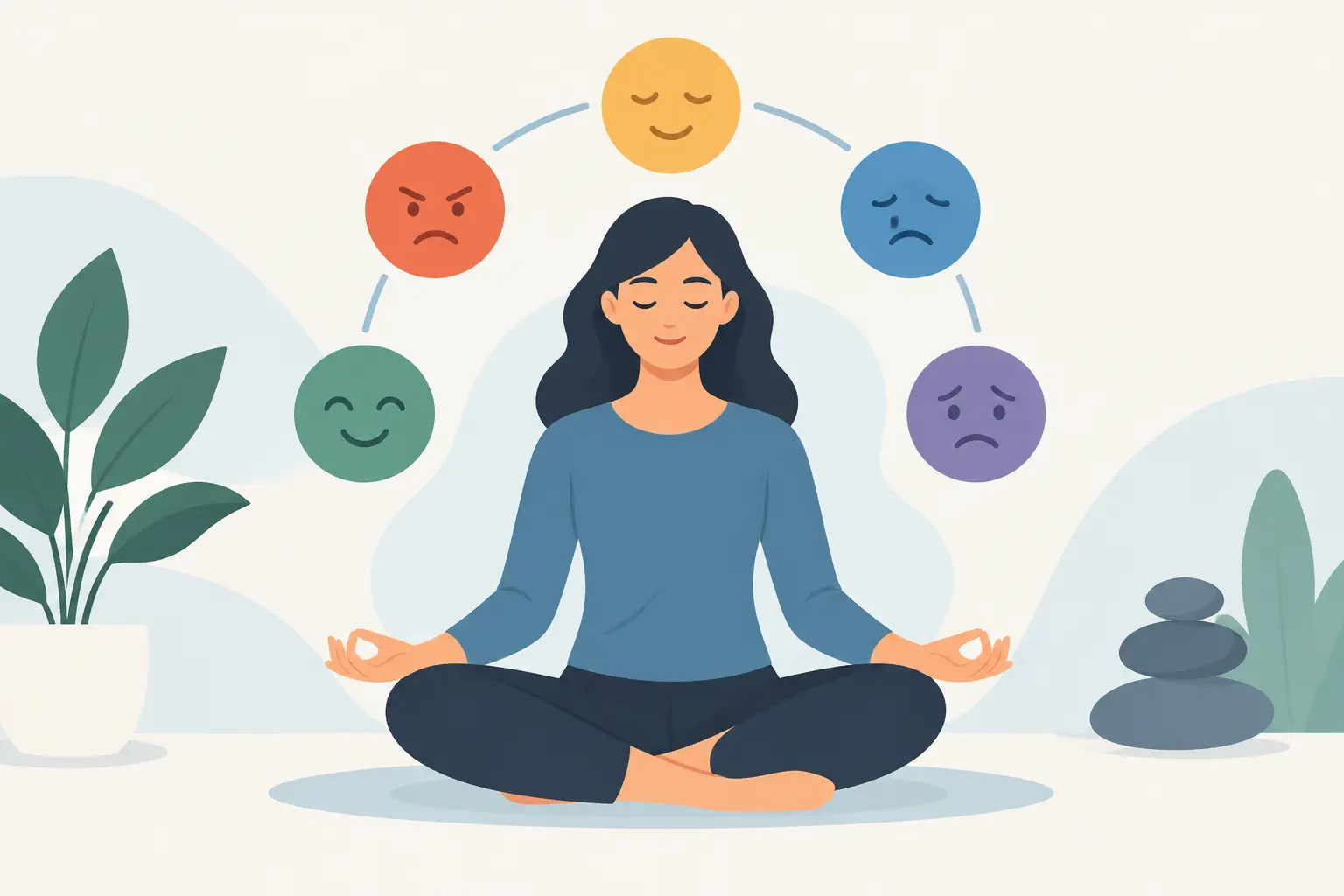
Your Guide to Emotional Regulation Skills
A sharp reply to your partner. A tight chest before a meeting. Grief that appears in the grocery store aisle without warning. These moments can feel as if they are controlling you, but they are signals, not proof that something is wrong with you. This guide to emotional regulation is about learning to meet those signals with awareness, compassion, and practical action so you can reclaim more ease in your day.
Emotional regulation does not mean becoming calm all the time. It does not mean suppressing anger, rushing past grief, or forcing a positive mindset when you are hurting. It means building the ability to notice what is happening inside you, create enough space to choose your response, and support your body through the experience. That ability can change how you work, sleep, communicate, manage pain, and show up for the people you love.
What Emotional Regulation Really Means
Emotions are information. Anger may point to a crossed boundary. Anxiety may reflect uncertainty, overstimulation, or a nervous system that has been on high alert for too long. Sadness may be asking for acknowledgment, rest, or connection. When we judge these experiences as bad or try to push them away, they often become louder.
Regulation is the practice of staying connected to yourself while an emotion moves through you. You may still feel upset. The difference is that you are less likely to send the text you regret, shut down during a difficult conversation, reach for a habit that leaves you feeling worse, or carry tension in your body for days.
For many people, stress and physical pain are closely linked. A clenched jaw, shallow breathing, headaches, fatigue, stomach discomfort, or muscle tension can be part of the body’s response to unprocessed emotion. That does not mean pain is imaginary. It means your whole experience deserves care: physical, emotional, mental, and spiritual.
Why Strong Emotions Can Feel So Overwhelming
When your nervous system senses danger, it prioritizes protection. Your heart rate may rise, your muscles may tighten, and clear thinking may become harder. This response is useful during immediate threats. It becomes exhausting when your body reacts to a demanding inbox, family conflict, financial worries, chronic pain, or memories of past hardship as though danger is happening right now.
You may recognize a familiar cycle: something triggers you, your body reacts, your thoughts race, and you either explode, withdraw, numb out, or try to power through. Later, you may criticize yourself for how you handled it. That self-judgment adds another layer of stress.
The goal is not to blame yourself for your reactions. Your patterns often developed for a reason. They may have helped you survive a difficult environment, meet others’ expectations, or keep going when rest did not feel possible. Yet a pattern that once protected you can become limiting when it keeps you from peace, honest connection, or physical relief.
A Guide to Emotional Regulation in the Moment
The most useful techniques are the ones you can remember when life gets real. Start small. Trying to solve every emotional pattern at once can create more pressure. Instead, practice creating a pause between the trigger and your next action.
Name the experience without becoming it
Begin with simple language: “I am noticing anger.” “I am feeling overwhelmed.” “My body is tense, and I am afraid.” Naming an emotion helps separate your identity from the feeling. You are not an angry person because anger is present. You are a person having an angry moment.
If the emotion feels hard to identify, start with the body. Ask yourself where you feel it. Is there heat in your face, heaviness in your chest, a knot in your stomach, or restlessness in your hands? This brings attention out of spiraling thoughts and into the present moment.
Give your body a signal of safety
Your body cannot always reason its way out of stress. It often needs a physical cue that says, “We can slow down now.” Place both feet on the floor. Let your shoulders soften. Breathe in gently, then make your exhale slightly longer than your inhale. Even three slower breaths can interrupt the momentum of a stress response.
You can also place one hand over your heart and one on your abdomen, stretch, step outside, sip water, or feel the support of the chair beneath you. These are not magic fixes. They are ways of helping your nervous system shift out of immediate alarm so you can make a clearer choice.
Ask what the emotion is protecting
Strong reactions often have a message underneath them. Anger may be protecting hurt. Perfectionism may be protecting fear of failure. Numbness may be protecting you from a grief that feels too large to touch.
Try asking, “What feels threatened right now?” or “What do I need that I am not receiving?” The answer may be rest, respect, reassurance, space, support, or a boundary. You do not need to act on every feeling immediately, but listening helps you respond with more wisdom.
Choose the next helpful action
Emotional regulation happens through choices, not just insight. Sometimes the next helpful action is to say, “I need ten minutes before we continue this conversation.” Sometimes it is to write down what you want to say rather than saying it while activated. Sometimes it is to take a walk, cancel one nonessential commitment, or ask a trusted person for support.
There is a trade-off here. Stepping away can prevent harm and give you time to settle, but avoiding every hard conversation can leave important needs unspoken. The practice is learning whether you need a brief pause or whether you are using distance to escape. Honest self-awareness makes the difference.
Build Regulation Before the Hard Moment
A nervous system that receives regular care has more capacity when stress arrives. This does not require a perfect routine or hours of quiet time. It requires consistent moments that tell your body and mind that your well-being matters.
Notice what depletes you and what restores you. For one person, restoration may include morning prayer, meditation, journaling, gentle movement, time in nature, or a creative activity. For another, it may be turning off notifications, eating regularly, improving sleep, or having a real conversation instead of carrying everything alone. The right practice depends on your life, health, responsibilities, and history.
It can also help to track your patterns for a week. Write down what happened before you felt flooded, how your body responded, what you did next, and what helped even slightly. You may discover that certain people, times of day, topics, pain flares, or unmet needs repeatedly show up. Awareness gives you options.
Make Space for Emotional Release
Holding emotions inside is often exhausting. Emotional release is not about reliving every painful experience or expressing every feeling at full volume. It is about allowing what is true to move in a safe, intentional way.
You might journal without editing yourself, cry, speak with a compassionate listener, use breathwork, pray, shake out physical tension, or sit quietly with a hand on your heart. Some people benefit from holistic, energy-based practices that address the emotional and spiritual dimensions of stress alongside the physical symptoms. The key is to choose approaches that leave you feeling more grounded rather than more overwhelmed.
If difficult memories, panic, persistent despair, or trauma responses are interfering with daily life, additional professional support can be an important part of your care. Holistic self-management tools can work alongside medical and mental health support. Reaching out is not weakness. It is a powerful decision to stop carrying more than you were meant to carry alone.
Practice Self-Compassion After You React
Even with practice, you will have moments when you lose your patience, freeze, overwork, or retreat. Growth is not measured by never getting triggered. It is measured by how kindly and honestly you return to yourself afterward.
Instead of asking, “Why am I like this?” try, “What happened in me, and what can I do differently next time?” Offer yourself the same patience you might offer someone you love who is doing their best under pressure. Shame keeps the nervous system activated. Compassion makes learning possible.
At EnergyMDT, the focus is not on making you dependent on someone else to feel better. It is on helping you learn practical, reusable tools that support your own path toward relief, clarity, and joy. You deserve techniques you can return to at work, at home, during a pain flare, or in the middle of a difficult conversation.
Your emotions do not have to run the whole day. One slow breath, one honest boundary, and one compassionate choice can be the beginning of a new relationship with yourself. Start where you are, keep it gentle, and let each practice remind you that you can choose more ease.
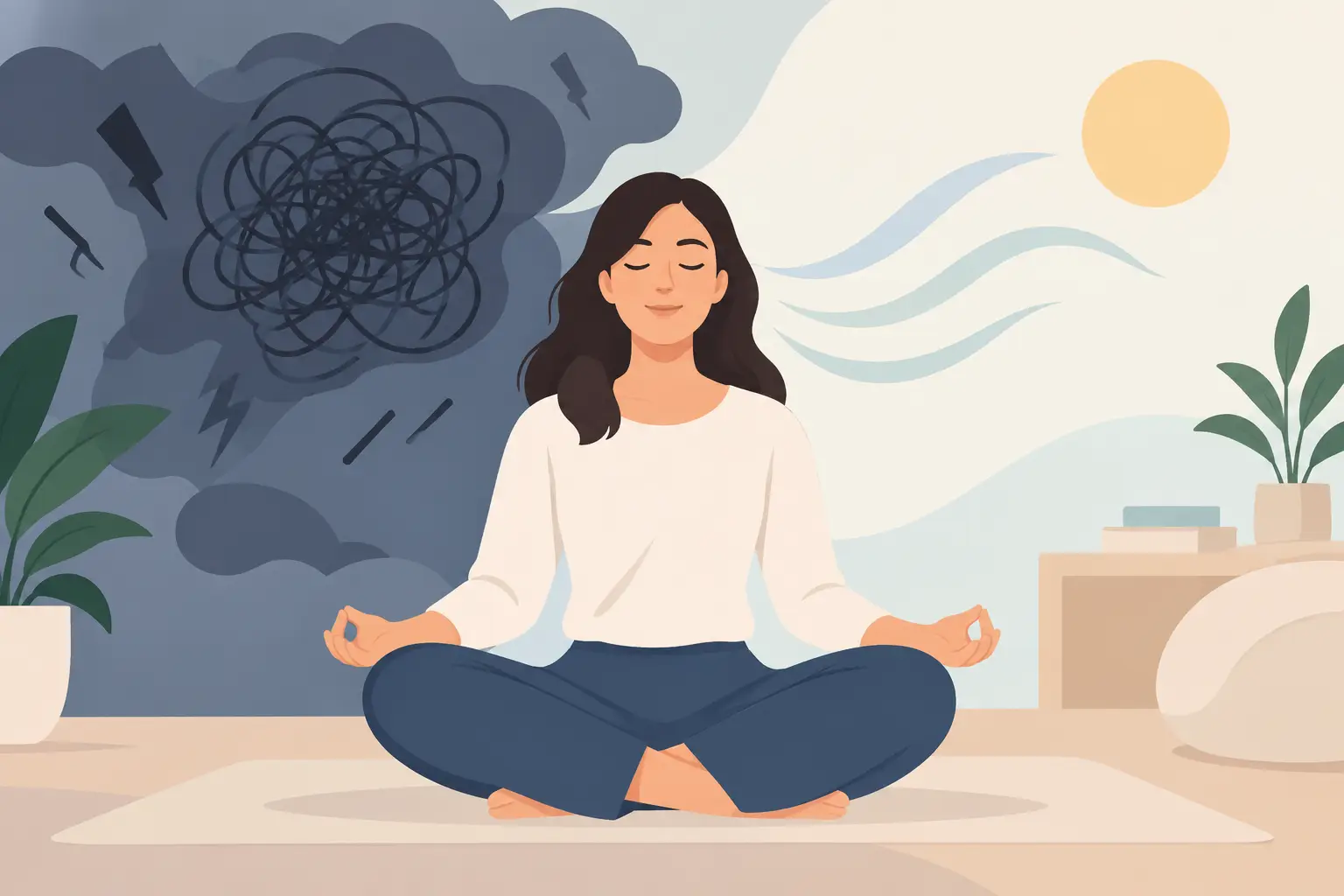
How to Calm Nervous System When Stress Takes Over
Your body may be sitting at your desk, folding laundry, or trying to fall asleep, yet part of you is still bracing for impact. Your jaw tightens. Your thoughts race. A small inconvenience feels enormous. When you are searching for how to calm nervous system responses, you are not weak or failing at coping. Your body may be doing its best to protect you after too much stress, pain, loss, pressure, or emotional strain.
The encouraging news is that your nervous system can learn new patterns. It may not switch from overwhelmed to peaceful in one breath, and it does not need to. Small, repeatable signals of safety can help your body move out of survival mode and toward greater ease, clarity, and choice.
Why your nervous system can feel stuck on high alert
Your nervous system constantly scans your inner and outer world for signs of danger. A looming deadline, conflict at home, financial uncertainty, chronic pain, grief, poor sleep, and memories of past hurt can all register as threats. When this protective system stays activated for too long, you may notice anxiety, irritability, shallow breathing, fatigue, digestive changes, headaches, muscle tension, numbness, or difficulty concentrating.
This is not simply “all in your head.” Stress affects the whole person: physical sensations, emotions, thoughts, relationships, habits, and your sense of connection to yourself. For many people, the body remains on alert because it has not had enough consistent experiences of rest, safety, expression, or support.
A calming practice is not about forcing yourself to be positive. It is about listening to what your body is communicating and offering it a different experience. Sometimes that means stillness. Other times, it means movement, a good cry, a boundary, a meal, or a conversation you have been avoiding.
How to calm nervous system responses in the moment
When you feel activated, choose one simple practice instead of trying to fix everything at once. The goal is not perfect calm. The goal is to reduce the intensity enough that you can reconnect with yourself.
Lengthen your exhale
Your breath is one of the fastest ways to communicate with your body. Try inhaling gently through your nose for a count of four, then exhaling slowly for a count of six. Repeat for one to three minutes, without straining or holding your breath.
A longer exhale can signal that there is no immediate need to fight, flee, or freeze. If counting makes you more anxious, simply let out an audible sigh or hum softly as you exhale. Gentle is more helpful than forceful.
Orient to the room around you
Stress can pull your attention into frightening future scenarios or painful memories. Bring yourself back to the present by slowly looking around the room. Name five ordinary things you can see: a lamp, a window, a blue mug, the pattern in a rug, light on the wall.
Then notice where your body is supported. Feel your feet against the floor or your back against the chair. Quietly remind yourself, “I am here right now.” This does not erase a difficult situation, but it helps your body distinguish the present moment from an old alarm.
Give stress energy a safe outlet
Some nervous systems settle through stillness. Others need to move first. If you feel restless, angry, trapped, or jittery, stand up and shake out your hands, walk around the block, stretch your shoulders, or press your palms firmly against a wall for several breaths.
Movement does not need to be intense to be effective. The purpose is to let the body complete some of the protective energy it is carrying. A short walk after a hard meeting can be more regulating than immediately scrolling on your phone.
Use steady, comforting pressure
Place one hand over your heart and one on your abdomen. You can also wrap yourself in a blanket, hold a warm cup of tea, or gently massage your hands. Steady pressure and warmth can provide a physical cue of care and containment.
As you do this, use compassionate language that feels believable: “This is hard, and I am with myself.” Many people speak harshly to themselves when stressed. A kinder inner voice will not solve every problem, but it can stop adding another layer of threat.
Look beneath the trigger, without judging yourself
A strong reaction is often bigger than the event that sparked it. That does not mean you are overreacting. It can mean the moment touched an unmet need, an old wound, a fear of rejection, exhaustion, or grief that has not had room to be felt.
After the intensity comes down, ask yourself a few honest questions. What did that situation mean to me? What emotion is under the anger or anxiety? What does my body need today? You may discover that you need rest, reassurance, support, nourishment, a clearer boundary, or permission to feel sadness.
Emotional release is not the same as endlessly reliving pain. It is allowing truth to move through you in a safe, supported way. Journaling for ten minutes, speaking with a trusted person, praying, meditating, crying, or working with a qualified healing professional can all create space for what has been held inside.
Build a daily rhythm that supports regulation
A nervous system rarely calms because of one perfect technique. It responds to repeated rhythms. The practices that help you most are usually the ones you can realistically return to on ordinary Tuesdays, not only during a wellness retreat or after a crisis.
Start by noticing the basics. Are you sleeping enough for your needs? Are you eating regularly? Have you spent even a few minutes outdoors? Is caffeine making your heart race? Are you carrying everyone else’s needs while ignoring your own? These are practical questions, not moral judgments.
Create small anchors in your day. Take three slow breaths before opening email. Step outside at lunch. Put your phone away for the last 20 minutes before bed. Stretch while the coffee brews. Choose one transition, such as arriving home from work, and make it a cue to pause rather than carry the whole day into the evening.
Connection matters, too. A calm, trustworthy person can help your nervous system remember that you are not alone. This may be a friend, partner, family member, therapist, spiritual community, or wellness facilitator. You do not have to explain every detail to receive the healing value of safe connection.
Respect the trade-offs and get the support you need
There is no single method that works for every person. Deep breathing may feel soothing for one person and uncomfortable for someone with panic or trauma. Silence may help you reset, while another person may feel safer with music, movement, or a guided practice. Pay attention to what genuinely leaves you feeling more grounded afterward.
Natural self-management tools can be powerful, especially when practiced consistently. They are not a replacement for medical or mental health care when that care is needed. Seek prompt professional help for chest pain, trouble breathing, thoughts of harming yourself or others, severe panic, or symptoms that feel urgent or unfamiliar. If stress, trauma, pain, or grief is repeatedly disrupting your daily life, compassionate support can help you move forward without carrying it alone.
At EnergyMDT, the focus is on helping people learn practical, reusable techniques that honor physical discomfort alongside emotional and spiritual pain. You deserve tools that give you more choice in the moments when life feels heavy.
You do not have to wait until you are completely burned out to care for your nervous system. Pause for one breath, one honest feeling, one gentle boundary, one moment of support. That is not a small thing. It is how you begin reclaiming your ease, your joy, and your life.
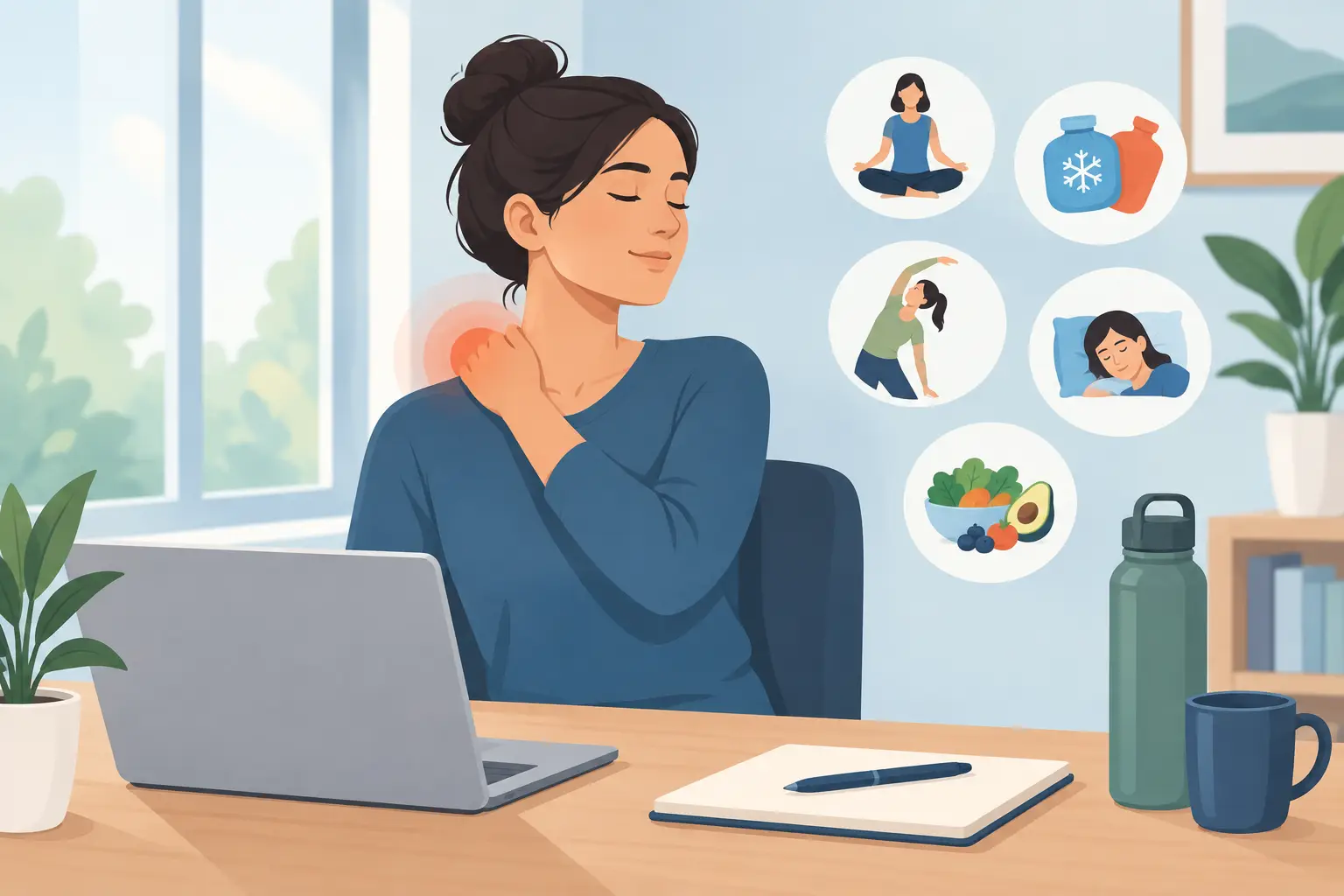
How to Manage Pain Flareups Without Losing Your Day
A pain flareup can change the shape of a day in minutes. You may wake up ready to work, care for your family, run errands, or enjoy time with friends, then find yourself negotiating every movement and wondering what you can possibly get done. Learning how to manage pain flareups is not about forcing yourself through suffering or pretending pain is not real. It is about responding with steadiness, compassion, and practical tools that help you reclaim more ease and choice.
Pain is physical, but your experience of it is rarely physical alone. Stress, fear, grief, frustration, poor sleep, overdoing it, and the pressure to keep performing can all make a hard moment feel even harder. A whole-person response gives you more than one place to begin.
Start by reducing the alarm
When pain rises sharply, the nervous system often interprets it as danger. Your body may tighten. Your breathing may become shallow. Thoughts can race toward worst-case scenarios: I cannot handle this. This will ruin everything. It is never going to stop. Those thoughts are understandable, yet they can add another layer of strain.
Before trying to solve the entire flareup, pause and offer your system a clear message of safety. Sit or lie down in a position that feels supported. Unclench your jaw, soften your shoulders, and take several slower breaths without forcing them. Try placing one hand over your heart and one near the area that hurts, if that feels comfortable. Then say quietly: “This is difficult, and I am here with myself. I can take the next helpful step.”
This is not a promise that the pain will disappear on command. It is a way to interrupt the panic-tension cycle so you can respond rather than react. Even two minutes of calming attention can create a little more space around an intense moment.
How to manage pain flareups with a personal plan
Flareups are easier to meet when you do not have to invent a response while you are hurting. Create a simple pain flareup plan during a calmer time, and keep it where you can find it. A note in your phone, a card by the bed, or a printed page in your bag can be enough.
Your plan should begin with what helps your body settle. This might include resting in a supported position, using heat or cold if those methods are appropriate for you, gentle stretching, a warm shower, quiet music, hydration, or a brief walk if movement usually helps rather than aggravates your symptoms. The right choice depends on your condition and what you have learned from your own body.
Next, include emotional support. Pain often brings anger, disappointment, guilt, or sadness, especially when it interrupts commitments and independence. Rather than judging these feelings, name them. You might write, “I am angry that my body is hurting today,” or “I am scared of missing another event.” Naming what is present can reduce the energy spent fighting it.
Finally, include a practical adjustment. Ask, “What is the smallest version of today that still honors what matters?” Maybe you postpone a nonessential task, ask a family member for help, move a meeting, order groceries, or give yourself permission to rest without earning it first. Adapting is not failure. It is self-management.
Pace before the crash
Many recurring flareups have a familiar pattern: a better day arrives, so you try to catch up on everything at once. You clean, work late, exercise hard, carry more, or say yes to plans you have been missing. Then the body protests.
Pacing is not about making your life smaller forever. It is about using your energy in a way that protects your ability to participate over time. Break demanding tasks into shorter blocks and build in pauses before you feel desperate for one. Alternate physical, mental, and emotional demands when possible. If laundry, work deadlines, caregiving, and a difficult conversation all need attention, they do not necessarily need attention in the same hour.
It can help to use a simple traffic-light check-in. Green means your symptoms and energy feel manageable. Yellow means you are noticing more tension, fatigue, irritability, or pain and need to slow down. Red means it is time to stop, rest, and use your flareup plan. The goal is to respond in yellow more often, instead of waiting until you are already in red.
Release the struggle around pain
Pain can become more consuming when it is paired with harsh inner language. Thoughts such as “My body is betraying me,” “I should be stronger,” or “Everyone else can handle more than I can” can leave you feeling isolated and defeated.
A more compassionate approach does not minimize your circumstances. It acknowledges the truth while refusing to add blame. Try replacing judgment with curiosity: “What does my body need right now?” “What stress have I been carrying?” “What am I afraid this flareup means?” These questions may reveal emotional burdens, unresolved grief, resentment, or relentless expectations that have been asking for attention.
For some people, spiritual practices offer another source of grounding. Prayer, meditation, time in nature, gratitude, gentle energy practices, or simply sitting in silence can help restore a sense that you are more than this painful moment. You do not need to have the perfect belief system or a perfectly calm mind. You only need a practice that helps you return to yourself.
Keep a pattern journal, not a blame journal
Tracking pain can be useful when it helps you notice patterns, not when it makes you monitor yourself with fear. Once a day or after a flareup, make a few brief notes about pain intensity, sleep, stress, activity, meals, mood, weather, and anything that felt different. Over several weeks, you may begin to see connections.
Perhaps flareups are more likely after long periods at a desk, skipped meals, conflict, poor sleep, or saying yes when you wanted to say no. Perhaps gentle movement, regular meals, better boundaries, or time to decompress support you more than you realized. Patterns are information, not proof that you caused your pain. Chronic and recurring pain can be complex, and not every flareup will have an obvious explanation.
Use what you learn to make small adjustments. One earlier bedtime, one scheduled stretch break, one honest conversation, or one less obligation can make a difference. Lasting change often grows from repeatable actions, not dramatic overhauls.
Stay connected when pain makes you want to disappear
Pain can make people withdraw because explaining it feels exhausting. You may worry that others will not understand, or you may not want to disappoint anyone again. Yet isolation can make the emotional weight of pain much heavier.
Consider identifying one or two people who can be part of your support circle. Be specific about what helps. You may need someone to listen without fixing, pick up a prescription, handle a school pickup, sit with you, or simply understand when you cancel plans. Clear communication reduces the pressure to appear fine.
Professional wellness support can also help you build skills you can use independently. EnergyMDT’s healing-oriented approach recognizes that physical discomfort, stress, emotions, and personal patterns can be interconnected. The purpose is not dependence on a practitioner. It is learning tools that support your own agency when life feels hard.
Know when a flareup needs medical attention
Holistic self-management can complement medical care, but it should not replace it. Seek urgent medical help for new or severe chest pain, trouble breathing, sudden weakness or numbness, fainting, confusion, a severe sudden headache, loss of bowel or bladder control, a high fever with serious symptoms, or pain after a significant injury. Trust yourself if something feels unusually wrong or different from your typical symptoms.
Contact a qualified health professional when pain is new, worsening, persistent, interfering significantly with daily life, or accompanied by concerning changes such as unexplained weight loss, swelling, weakness, or changes in sensation. If you have a diagnosed condition, follow the care plan you have developed with your medical team and ask them which at-home strategies are appropriate for you.
You deserve support that takes your pain seriously. You also deserve moments that are not organized around pain. The next flareup may still be difficult, but it does not get to define your worth, your future, or your capacity for joy. Meet yourself with patience, take one caring action at a time, and keep choosing the practices that help you come home to greater ease.
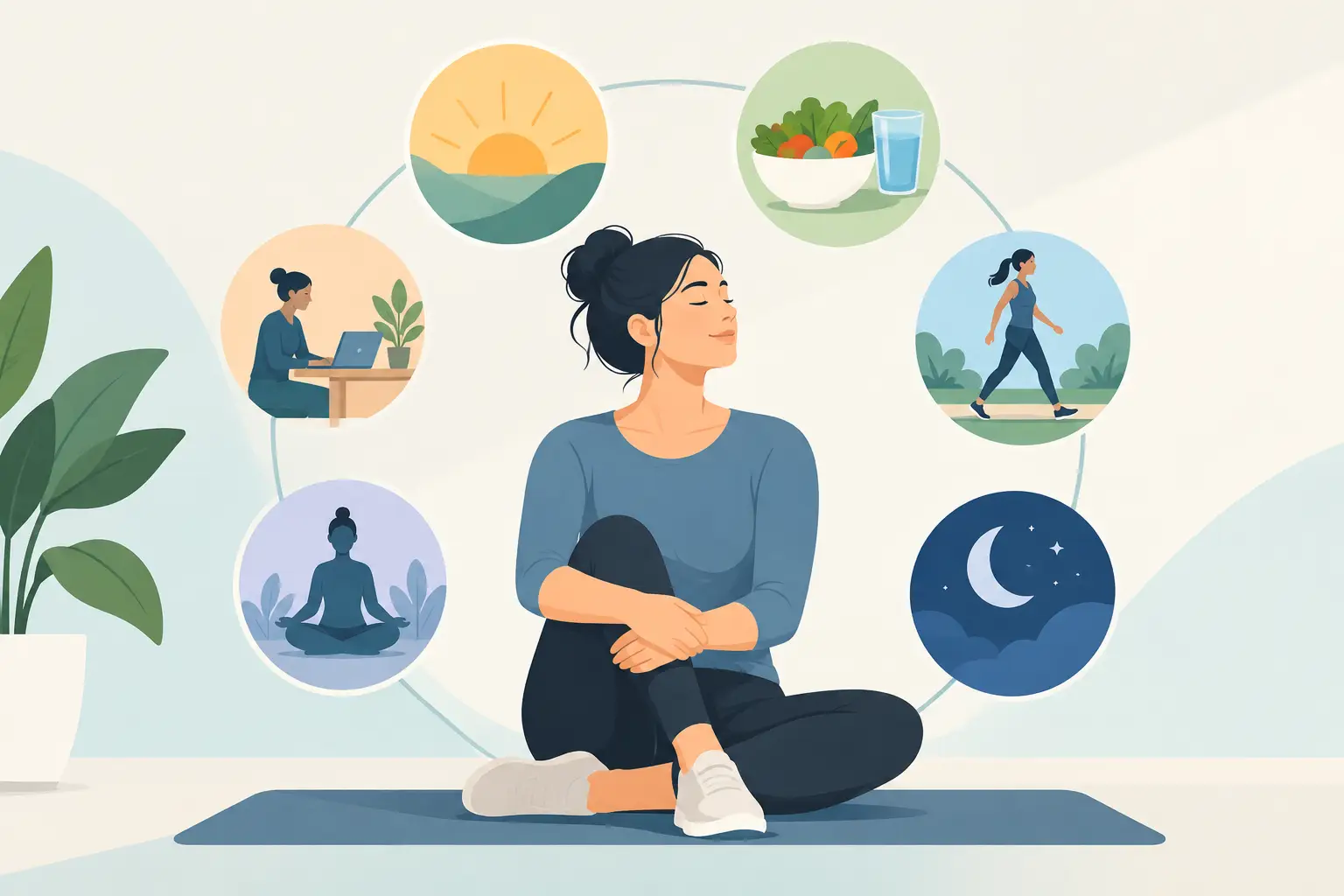
Chronic Pain Recovery Starts With Daily Patterns
Pain can make your world smaller before you fully realize it has happened. You may decline invitations, move more cautiously, sleep lightly, or plan every errand around what your body might tolerate. Chronic pain recovery is not about forcing yourself through that reality or pretending your symptoms are not serious. It is about creating more room for ease, choice, and confidence while learning what your body, emotions, and daily patterns may be communicating.
For many people, pain is not only physical. It can be shaped by stress, grief, fear, frustration, old emotional wounds, difficult relationships, work pressure, and the exhausting habit of putting everyone else first. A holistic approach does not dismiss medical care or suggest pain is “all in your head.” It recognizes that you are a whole person, and every part of you deserves support.
Why Chronic Pain Can Feel So Hard to Change
When pain has lasted for months or years, your nervous system may become accustomed to staying on alert. A tense conversation, a packed schedule, poor sleep, or a painful memory can add another layer of strain to a body that already feels burdened. Muscles tighten. Breathing gets shallow. Thoughts race toward the worst-case scenario. The body can begin treating ordinary demands as threats.
This does not mean you caused your pain. It means there may be more than one pathway toward relief. Addressing stress and emotional overload can help create conditions in which your body feels safer, calmer, and better able to recover.
There is also a practical challenge: pain often changes your habits. You may stop moving in ways you once enjoyed, avoid rest because you feel behind, or push through until you crash. Some avoidance is wise, especially when an activity causes injury or severe flare-ups. But a life organized entirely around fear of pain can gradually reduce mobility, confidence, and joy.
The goal is not to blame yourself for these adaptations. They were attempts to cope. The goal is to notice them with compassion and begin choosing responses that support your well-being.
Chronic Pain Recovery Is More Than Symptom Control
A symptom-focused plan asks, “How do I make this feeling go away?” That question is understandable. Yet chronic pain recovery can become more sustainable when you also ask, “What helps me feel regulated, supported, and present in my own life?”
Sometimes relief comes through medical evaluation, physical therapy, sleep changes, movement, nutrition, or medication. Sometimes it comes through learning to settle the stress response, process anger or grief, set healthier boundaries, and stop carrying emotional weight that was never yours to hold. Most often, it is a combination.
Your path will depend on your diagnosis, health history, current support, and the kind of pain you experience. New, sudden, severe, or worsening pain needs prompt medical attention. A holistic wellness practice can complement appropriate care, but it should not replace medical assessment for symptoms that need diagnosis or treatment.
What you can begin to reclaim right now is your relationship with your body. Instead of seeing it as an enemy that has betrayed you, you can practice listening without panic. Instead of judging yourself for needing rest, you can learn to rest with purpose. Instead of waiting for a perfect pain-free day to live, you can begin building small moments of freedom today.
Start With a Daily Reset, Not a Massive Overhaul
When you are exhausted, a complicated wellness plan can become one more thing to fail at. Start smaller. A few consistent minutes of self-care may be more valuable than an ambitious routine you cannot sustain.
Try creating a brief reset at a predictable point in your day, such as before work, after caregiving responsibilities, or before bed. The purpose is not to demand instant results. It is to give your nervous system repeated signals that it does not have to remain in survival mode.
A simple reset may include these five actions:
- Pause and notice where you are holding tension, without trying to judge or fix it immediately.
- Take several slower breaths, allowing the exhale to be longer and softer than the inhale.
- Name what you are feeling beneath the pain, such as fear, anger, sadness, loneliness, or overwhelm.
- Choose one gentle support for your body, such as stretching, warmth, hydration, a short walk, or quiet rest.
- Ask yourself, “What is one kind thing I can do for myself in the next hour?”
These practices are not a cure-all. Their strength is repetition. Over time, they can interrupt the familiar cycle of pain, tension, alarm, and more pain. They also help you become more aware of patterns. Perhaps your symptoms rise after difficult phone calls, skipped meals, long periods at a desk, conflict, or nights when you do not give yourself time to decompress.
Awareness is not about becoming hypervigilant. It is about gathering information with curiosity so you can make kinder, more useful choices.
Make Space for Emotional Relief
Many people living with ongoing pain have been told to stay positive, be strong, or simply manage better. Those messages can leave little room for honest emotion. Yet unexpressed anger, grief, resentment, and disappointment do not disappear because we ignore them. They can continue to drain energy and keep the body in a guarded state.
Emotional relief does not require reliving every painful event. It can begin with acknowledging what is true. You may be angry about how much pain has taken from you. You may grieve the version of life you expected to have. You may feel guilty because your family or work responsibilities have not stopped. These feelings are human. Giving them compassionate attention can be part of healing.
Journaling, guided reflection, prayer, meditation, energy-based wellness practices, or speaking with a trusted professional can all offer a place to process what has been held inside. The best approach is the one that feels safe and realistic for you. If trauma is part of your experience, trauma-informed mental health support can be especially valuable.
Build Confidence Through Gentle Evidence
Pain can teach you to expect limitation. To rebuild trust, look for small evidence that your body and life still contain possibility. That might mean standing outside for five minutes, cooking a simple meal, taking a short walk, laughing with a friend, or completing a task without criticizing yourself afterward.
Pacing matters. If you do too much on a better day, you may trigger a setback that reinforces fear. If you do too little because you are afraid of a flare-up, your world may shrink further. The middle path is gentle experimentation: do what feels manageable, notice the response, rest before you are depleted, and adjust without shame.
This is where a support system can help. Working with a provider, therapist, movement professional, or wellness facilitator can give you encouragement and structure. EnergyMDT’s healing-centered approach focuses on practical tools you can revisit independently, because real empowerment means having support available within your own daily life.
Let Recovery Include Joy
You do not have to earn joy by becoming pain-free first. Joy is not denial. It is nourishment. A favorite song, a meaningful spiritual practice, time in nature, creative expression, humor, and connection can remind your system that life contains more than vigilance.
This is not about pressuring yourself to be cheerful. Some days will be difficult, and honoring that truth is part of self-respect. But even on hard days, there may be one small experience that brings comfort or peace. Let that count.
Do NOT let pain control every decision, every relationship, or every image you hold of your future. Your recovery may not be linear, and it may ask for patience. Still, each moment you choose awareness over self-judgment, gentle action over fear, and support over isolation is a meaningful step toward reclaiming your health, ease, and joy.
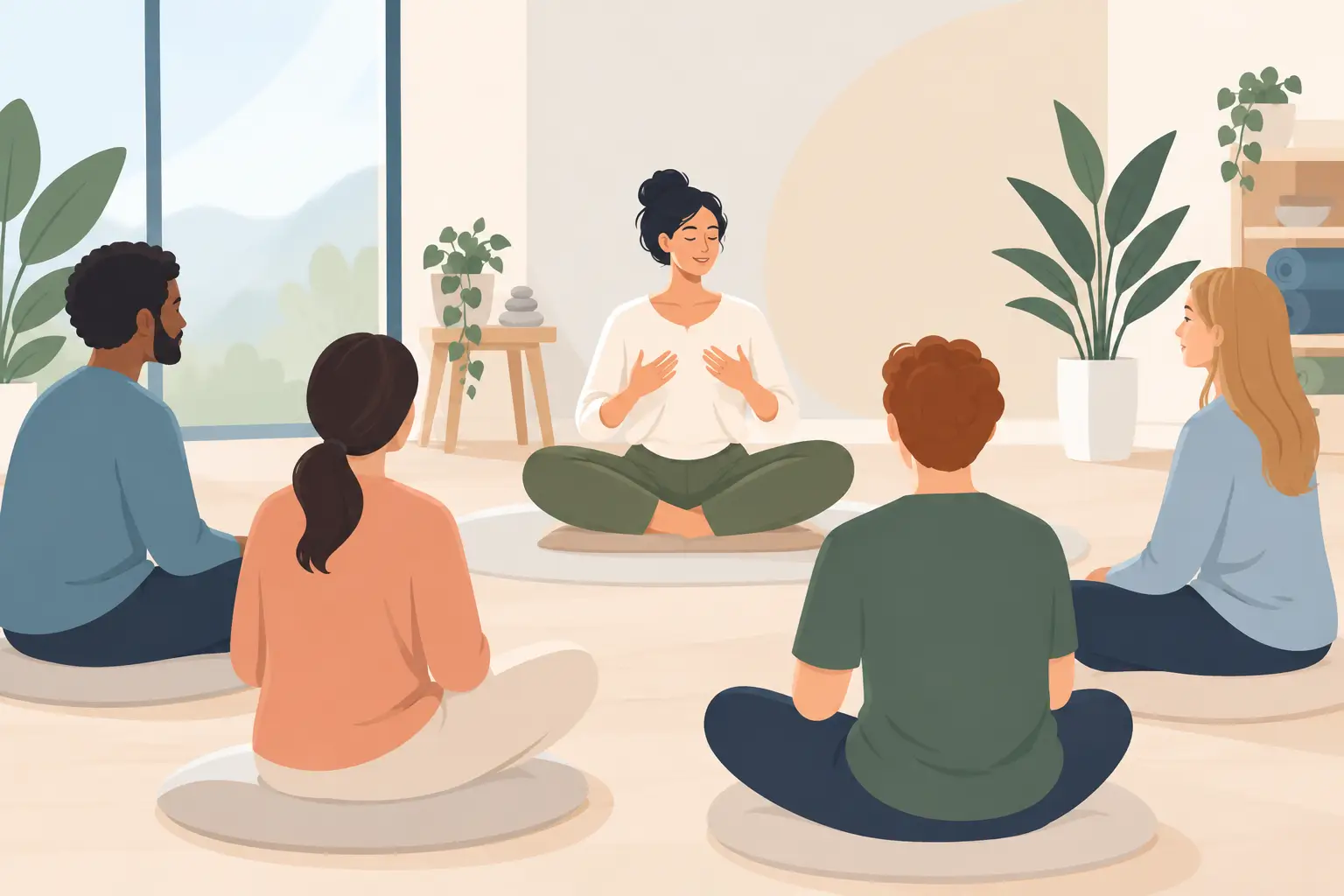
Wellness Workshops That Help You Reclaim Ease
Your body may be asking for help long before you call it a problem. It might show up as tight shoulders at your desk, a racing mind at 2 a.m., irritation with people you love, or pain that keeps you from doing what once brought you joy. Wellness workshops create a dedicated space to pause, understand what is happening beneath the surface, and practice new ways to support yourself.
For many people, stress and pain are not separate experiences. A demanding job can lead to poor sleep, shallow breathing, muscle tension, and less patience at home. Grief may feel emotional, yet it can also affect energy, concentration, digestion, and the willingness to make plans. When the same patterns repeat, it is easy to believe you simply have to endure them.
You do not. You can learn tools that help you respond differently, gently release what no longer serves you, and reclaim more ease in your daily life.
What Wellness Workshops Can Offer
Meaningful wellness workshops are more than an hour of pleasant conversation or a short break from a difficult week. It is guided education and practice designed to help you recognize your patterns, experience supportive techniques, and leave with approaches you can use again on your own.
This matters because insight alone does not always create change. You may know that stress affects your body, but still feel overwhelmed when your calendar fills up, an old memory is triggered, or pain flares without warning. A well-facilitated workshop gives you time to work with the moment rather than merely think about it.
Holistic wellness workshops may address physical discomfort, emotional strain, mental overload, and spiritual disconnection together. That does not mean every ache has one simple cause or that positive thoughts can erase serious hardship. It means your experience deserves to be viewed as a whole. Physical symptoms can be influenced by stress, habits, beliefs, unprocessed feelings, relationships, and the demands you carry. Looking at those connections can reveal new choices.
For someone living with recurring pain, the goal may be to build calming practices that reduce tension and support a sense of control. For a caregiver, it may be learning how to create a few minutes of restoration without waiting for a full day off. For a person moving through grief or anger, it may be finding a safe, nonjudgmental way to acknowledge emotion rather than pushing it down until it becomes exhausting.
Why Practice Matters More Than Information
There is no shortage of wellness advice. Most people have heard that they should breathe deeply, rest more, move their bodies, and manage stress. The challenge is applying those ideas when life is loud, and your nervous system is already on high alert.
Wellness workshops help bridge that gap. Instead of receiving a vague instruction to relax, participants can be guided through specific self-management techniques and notice how their body, thoughts, and emotions respond. They can ask questions, make adjustments, and identify what feels realistic for their circumstances.
That practical element is especially valuable when you have tried to “power through” for years. Constantly pushing past discomfort may keep you functioning for a while, but it can also leave little room for restoration. A workshop invites a different approach: paying attention without fear, choosing a supportive practice, and repeating it often enough for it to become available when you need it.
Progress is not always dramatic. Sometimes the first change is recognizing tension before it becomes a headache. Sometimes it is pausing before an angry response, sleeping a little more soundly, or realizing that you have permission to care for yourself without earning it first. These small shifts can build real confidence because they remind you that you are not powerless.
Wellness Workshops for Stress, Pain, and Emotional Healing
The right topic depends on what is weighing most heavily on you right now. Wellness workshops such as Stress-management workshops can help you understand the cycle between pressure, thoughts, physical tension, and depleted energy. They often focus on ways to regulate your response before stress spills into your health, work, or relationships.
Pain-relief-focused education can be useful when discomfort has made you fearful, frustrated, or less active. Holistic practices are not a replacement for medical diagnosis or urgent care. Persistent, severe, or changing symptoms deserve appropriate medical attention. At the same time, many people benefit from learning non-medication-based practices that support relaxation, body awareness, and a more compassionate relationship with pain.
Emotional wellness workshops may explore anger, grief, trauma, self-judgment, or the beliefs that keep you stuck. These subjects require care. No workshop should pressure you to share personal details before you are ready or promise a quick fix for deep pain. A supportive setting respects your pace while offering tools for emotional release, reflection, and healthier responses.
Energy-based and spiritually informed approaches can also resonate with people who feel that conventional advice has addressed only part of their experience. Some participants are new to these modalities; others have an established personal practice. In either case, the most helpful facilitation makes the experience accessible, grounded, and focused on what you can use in ordinary life.
How to Choose a Workshop That Serves You
Start with honesty about what you need. Are you seeking relief from daily stress, support through a loss, better ways to manage recurring pain, or a renewed sense of direction? You do not need to have every answer, but naming your main concern can help you choose a workshop with a clear purpose.
Look for a facilitator who explains the intended outcome in plain language. You should know whether the session is educational, experiential, group-based, or individualized. If the workshop uses holistic or energy modalities, the description should still make room for practical questions: What will I learn? What can I practice at home? What support is appropriate if my needs are more intensive?
The format matters, too. Online workshops can be a strong fit for busy professionals, parents, caregivers, and anyone who prefers to participate from a familiar environment. You save travel time and may find it easier to attend consistently. The trade-off is that you need to protect the time, reduce distractions, and give yourself a few quiet minutes afterward to reflect.
A free introductory session or workshop taster can be a wise first step. It lets you experience the facilitator’s style without pressure and notice whether the approach feels respectful, clear, and relevant. Pay attention to how you feel afterward. You do not need instant transformation, but you should feel more informed, supported, or hopeful than when you arrived.
Bringing the Workshop Home With You
The most valuable takeaway is not a page of notes that disappears into a drawer. It is one or two practices you are genuinely willing to use. Choose a simple time to begin: before opening email, while sitting in the car before going inside, after a difficult conversation, or before bed.
Keep the practice small enough to repeat. Five intentional minutes practiced most days can be more powerful than an elaborate routine you abandon after a week. If you miss a day, do not turn that into another reason to judge yourself. Begin again. Healing-oriented wellness is not about performing perfectly. It is about returning to your own well-being with patience and consistency.
It can also help to notice what changes around the practice. Do you react less quickly? Is your breathing easier? Do you have a little more energy for a walk, a meal with family, or work you care about? These observations help you see that wellness is not an abstract goal. It is the ability to be present for your life with more freedom and less fear.
At EnergyMDT, wellness workshops are designed to give participants practical, reusable techniques for managing stress, pain, emotional distress, and the patterns that can keep them in place. The purpose is not dependence on a provider. It is helping you strengthen your capacity to support yourself, one practice at a time.
You have carried enough without a map. Give yourself permission to learn, practice, and receive support. The next small moment of ease may be the beginning of a life where pain and stress no longer get to make every decision for you.
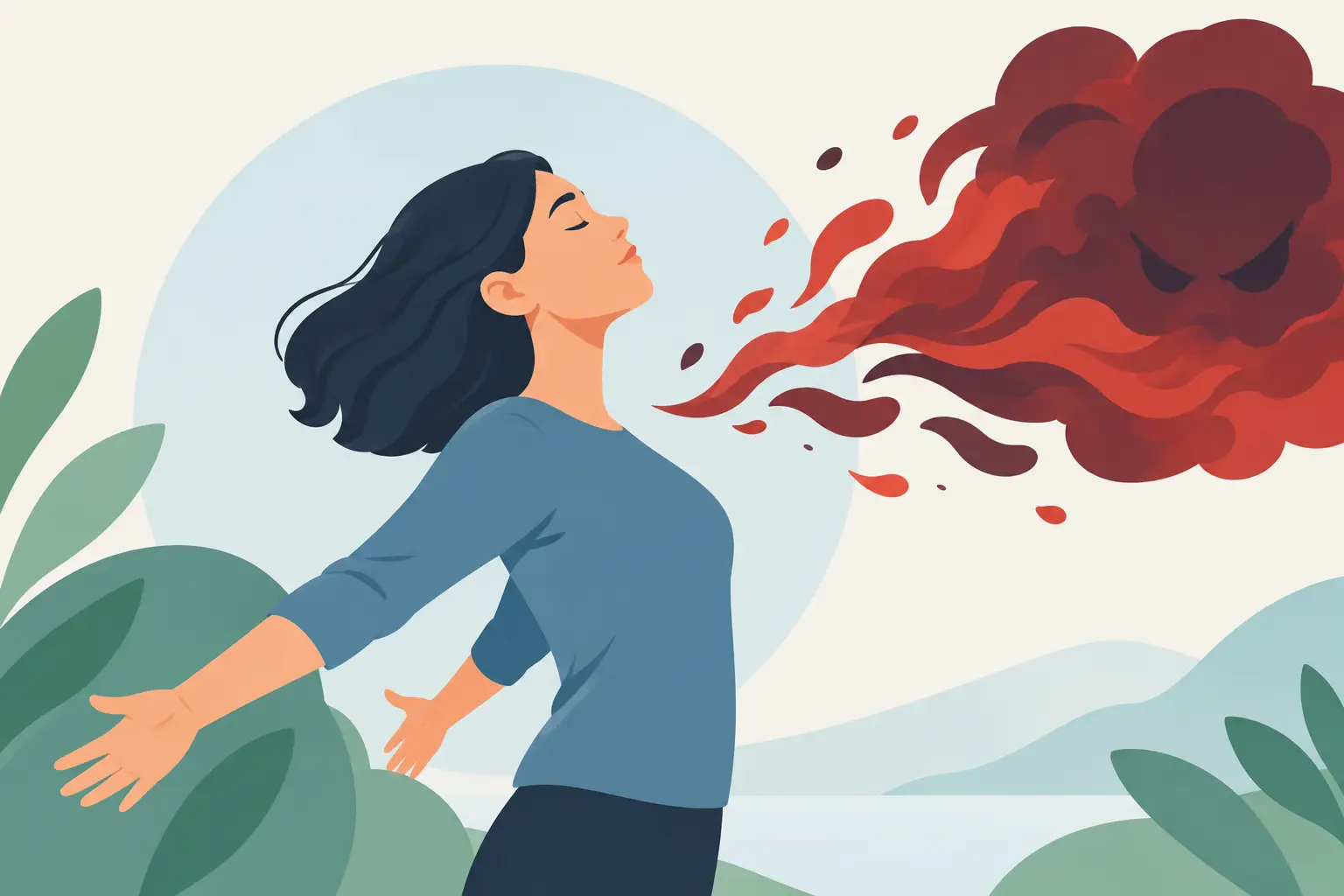
How to Release Anger Safely Without Bottling It Up
At 4:45 p.m., after a day of demands, unanswered messages, pain, noise, and one more person needing something from you, anger can feel like it comes out of nowhere. It usually does not. It has often been building in the body and mind for hours, days, or longer. Learning how to release anger safely gives that energy somewhere constructive to go before it spills into your relationships, your health, or your sense of self.
Anger is not proof that you are failing. It is a signal that something feels crossed, unfair, threatened, painful, or unresolved. The goal is not to pretend you are not angry. The goal is to meet it with enough awareness and practical support that you can release the charge without hurting yourself, someone else, or something you will later regret.
How to Release Anger Safely Begins With a Pause
When anger rises, your nervous system may move into fight mode before your thinking mind catches up. Your jaw tightens. Your chest gets hot. Your heart may race. You may feel an urgent need to send the text, win the argument, raise your voice, or make someone finally understand.
That urgency is real, but it is not always wise. The first safe release is creating a little space between the feeling and the action.
Say to yourself, “I am angry, and I do not have to act on this right now.” Then step away if you can. Go to another room, sit in your car before driving, or take a brief walk outside. If you are in a conversation, use a simple boundary: “I want to talk about this, but I need 20 minutes to settle first. I will come back.”
A pause is not avoidance when you make a plan to return. It is self-respect. It protects the conversation from the part of you that wants relief at any cost.
Use Your Breath to Signal Safety
Try a longer exhale for one to three minutes. Breathe in gently through your nose, then breathe out slowly through pursed lips as if cooling a cup of tea. Do not force a huge inhale. A strained breath can make agitation worse for some people.
As you exhale, relax one area that is bracing: your hands, shoulders, belly, or tongue. This does not erase the reason you are angry. It helps your body receive the message that you are safe enough to choose what happens next.
Move the Anger Through Your Body
Anger is physical energy. If you only analyze it, you may understand the situation while still carrying a racing heart, clenched muscles, and a restless mind. Safe movement can help your body complete some of that stress response.
Choose movement that is firm but not punishing. A brisk walk, climbing stairs, shaking out your arms and legs, dancing to loud music, or doing slow wall pushes can be surprisingly effective. Try standing with both palms against a wall and pushing steadily for 10 seconds, then releasing. Repeat several times while noticing the strength in your arms and the support under your feet.
Avoid activities that rehearse aggression. Punching walls, throwing objects, driving fast, breaking things, or aiming rage at a punching bag while replaying revenge fantasies can strengthen the habit of acting angry. Some people find intense exercise helpful; others feel more activated afterward. Pay attention to the result. The right practice leaves you more grounded, not more ready to explode.
If your body needs sound, let it out in a way that does not injure or frighten anyone. Hum, sing forcefully, speak firmly in private, or make a long, low sound on the exhale. Your voice can help discharge tension without becoming a weapon.
Give the Anger a Truthful Voice
Once the first heat has lowered, anger needs honesty. Suppressing it may look peaceful from the outside, but the unspoken charge can become resentment, headaches, tension, sleep problems, or sudden outbursts over small things.
Write without editing for five minutes. Begin with: “I am angry because…” Keep going until you reach what is underneath the first complaint. You may discover disappointment, fear, grief, loneliness, exhaustion, or the pain of feeling unseen. Anger often stands guard over a more tender feeling.
Then ask yourself three direct questions: What happened? What did I need or value that felt ignored? What do I need now?
The answer may be a conversation, a clearer boundary, more rest, help with a responsibility, or permission to grieve. It may also be an acceptance that another person cannot offer what you hoped for. That realization can hurt, but it can also free you from repeating the same exhausting fight.
Express Anger Without Attacking
Healthy anger is clear. Harmful anger accuses, humiliates, threatens, and keeps score. The difference matters, especially with a partner, child, coworker, or aging parent.
When you are ready to speak, describe your experience rather than assigning a character flaw. Instead of saying, “You never care about anyone but yourself,” try: “When plans changed without telling me, I felt dismissed. I need us to check in before making that decision.”
This is not about using perfect words or pretending you are not upset. You can be direct and still be respectful. You can say, “I am very angry about this,” without calling someone names. You can set a boundary without delivering a threat.
If the other person is defensive, intoxicated, abusive, or unwilling to listen, it may not be the right moment for resolution. Safe release sometimes means choosing distance, documenting what happened, or getting support rather than trying harder to be understood.
Look for the Pattern, Not Just the Trigger
A sharp reaction may be about the present moment, but it can also carry the weight of older experiences. Perhaps being interrupted touches years of not being heard. A missed deadline may activate the burden of always having to hold everything together. Ongoing pain, poor sleep, caregiving pressure, grief, and financial stress can lower your capacity long before a conflict begins.
This is where a holistic view can be deeply helpful. Your physical body, emotions, thoughts, beliefs, and spiritual wellbeing are connected. Releasing anger safely is not only about managing one difficult moment. It is about noticing the habits, judgments, and unmet needs that keep your system on alert.
Create a small check-in at the end of the day. Ask, “What irritated me today? What did I not say? Where am I carrying tension?” A few honest minutes can prevent weeks of stored frustration. The goal is not to become endlessly self-focused. It is to stop abandoning yourself until anger has to shout for your attention.
Build a Personal Anger Release Practice
The best practice is one you can actually use on a busy Tuesday. Keep it simple: pause and breathe, move your body for a few minutes, write or name the truth, then decide whether a boundary or conversation is needed.
You may also benefit from guided wellness practices that help you work with the emotional, mental, physical, and energetic layers of stress. EnergyMDT teaches practical self-management tools designed to help people return to their own inner steadiness rather than depend on willpower alone.
Do not expect every release to feel peaceful. Sometimes anger softens into tears. Sometimes you feel tired afterward. Sometimes you realize you need to make a difficult change. These are not signs that the practice failed. They may be signs that you are finally allowing yourself to feel what has been held in.
When Anger Feels Dangerous
If you feel close to hurting yourself or someone else, make safety the only priority. Leave the immediate situation if possible, put distance between yourself and anything that could be used to cause harm, and contact emergency services or a crisis resource in your area. If there is violence, intimidation, or fear in your home, reach out to a trusted person or a local domestic violence support service for a safety plan.
Persistent rage, blackouts, threats, destructive behavior, or anger connected to trauma may need support from a licensed mental health professional. Holistic practices can be valuable companions, but they are not a substitute for urgent care or specialized treatment when safety is at risk.
Your anger is allowed to exist. It is asking for attention, truth, and a safe path forward. Each time you pause, breathe, move, and choose a clear response, you reclaim a little more ease, joy, and power in your own life.
Anger Management Techniques for Real Ease
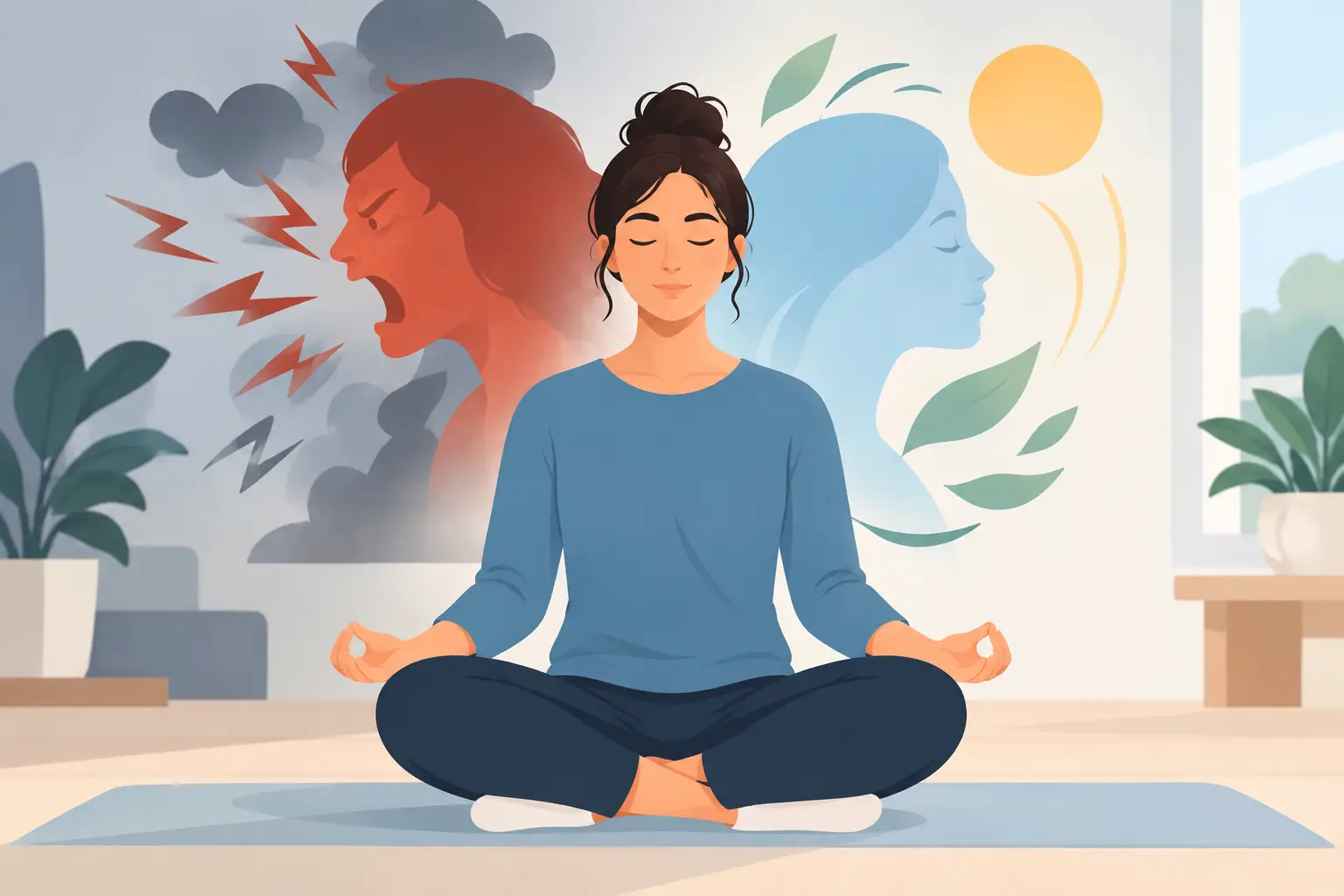
Anger can arrive before you have time to choose your words. A tense email, a child’s refusal to cooperate, a partner’s tone, or another demand after a draining workday can push the body into defense. Effective anger management techniques are not about pretending you are fine. They help you recognize what is happening beneath the heat, settle your nervous system, and choose a response that protects both your well-being and your relationships.
Anger is not proof that you are failing. It is often a signal that something feels unfair, unsafe, dismissed, overburdened, or out of alignment with your values. The difficulty begins when that signal takes control – when it becomes sharp words, shutdown, blame, driving too fast, or tension that remains trapped in the body long after the moment has passed.
You do not have to let anger run your life. With practice, you can create space between the trigger and your response. That space is where ease, clarity, and personal agency begin.
Why Anger Feels Bigger Than the Moment
Anger is a whole-body experience. Your jaw may tighten, your chest may constrict, your thoughts may speed up, and your attention may narrow around what feels wrong. In that state, the nervous system is preparing to fight, not to listen, problem-solve, or connect.
This is why telling yourself to “just calm down” rarely works. Your body needs a real cue of safety before your mind can access its wiser choices. For many people, anger also carries older layers: years of being overlooked, grief that had no room to be felt, chronic pain, ongoing stress, or a belief that they must handle everything alone.
The goal is not to judge those layers. It is to notice them. When you treat anger as information rather than an enemy, you can begin to ask a more useful question: What is this feeling trying to protect?
Anger Management Techniques That Start in the Body
When anger is high, begin with the body before trying to solve the situation. Reasoning with yourself while your system is flooded can feel like trying to have a thoughtful conversation during a fire alarm.
Pause before the words become damage
A pause is not avoidance. It is a conscious decision not to hand your next action over to a surge of emotion. If possible, say something simple: “I want to talk about this, and I need ten minutes to settle first.” Then step into another room, take a brief walk, or put your feet firmly on the floor.
If leaving is not possible, lower your gaze for a moment and place one hand over your chest or abdomen. Feel the support beneath you. Name five neutral things you can see. This gently moves attention away from the story of the conflict and back into the present moment.
Lengthen the exhale
Try breathing in naturally, then allowing the exhale to last a little longer than the inhale. You might inhale for a count of four and exhale for six, without forcing it. Repeat for one or two minutes.
A long, unhurried exhale sends a practical message to the body: the immediate threat may be over. This will not erase a legitimate concern, but it can reduce the intensity enough for you to respond rather than react.
Release the physical charge safely
Anger creates energy that wants to move. Suppressing it completely can leave you with headaches, muscle pain, exhaustion, or a simmering resentment that returns later. Give that energy a safe outlet: walk briskly, shake out your hands and arms, press your palms together, stretch your shoulders, or write freely on paper for five minutes and then set it aside.
The purpose is not to fuel rage by replaying the offense. It is to help the body complete its stress response. Once the charge is lower, you can decide what truly needs to be said or changed.
Look Beneath the Anger Without Excusing Harm
Anger may be the first emotion you feel, but it is not always the only one present. Underneath it, there may be fear, disappointment, shame, sadness, loneliness, or a need for rest. Identifying that deeper experience does not make your boundary less valid. It makes your communication more honest.
Instead of saying, “You never help me,” you may discover the truer message is, “I am overwhelmed and scared that I have to carry this alone.” Instead of attacking a coworker, you may recognize, “I felt dismissed when my idea was interrupted.” These statements are still direct. They simply make room for resolution rather than escalating the fight.
Ask yourself three questions after the first wave has passed: What happened? What meaning did I attach to it? What do I need now? The answer may be an apology, clearer expectations, a boundary, rest, support, or time to process a deeper hurt.
Be careful not to use self-awareness to tolerate repeated disrespect or unsafe behavior. Some anger is an essential signal that a relationship, workplace dynamic, or situation needs a firmer boundary. Calm does not mean becoming silent. It means expressing yourself from a grounded place.
Change the Thought That Keeps the Fire Burning
A trigger may last seconds, but the thoughts that follow can keep anger alive for hours. Notice phrases such as “They always do this,” “Nobody respects me,” or “This should not be happening.” These thoughts can feel completely true in the moment, yet they often turn one painful event into a sweeping verdict.
Try a more balanced statement: “I do not like what happened, and I can choose my next step.” Or: “This matters to me, but I do not need to solve it while I am flooded.” This is not spiritual bypassing or forced positivity. It is a way to reclaim your power from thoughts that intensify suffering.
If a judgment keeps returning, get curious about it. What expectation was crossed? Is it realistic, clearly communicated, or connected to an old wound? That reflection can reveal the practical change needed, whether that is asking for help, setting a limit, adjusting a habit, or releasing an expectation that no longer serves you.
Practice Clear, Grounded Communication
Once you are regulated enough to speak, lead with your experience and request. Keep it specific. “When plans change without telling me, I feel stressed. Please let me know earlier when you can.” This gives the other person something they can understand and respond to.
You may not always receive the response you want. Anger management is not a strategy for controlling other people. It is a practice of staying connected to yourself even when another person disagrees, deflects, or refuses responsibility.
If the conversation becomes heated again, return to the pause. You can say, “I am getting activated. I want to continue this when we can both speak respectfully.” Walking away temporarily is appropriate when it prevents verbal harm. The key is returning to the issue later if the relationship and circumstances make that possible.
Build a Daily Practice Before the Next Trigger
The most useful anger management techniques become easier when they are practiced during ordinary moments, not only during conflict. A few minutes of slow breathing in the morning, a body scan before bed, regular movement, adequate food and hydration, and honest emotional check-ins all increase your capacity to handle stress.
Pay attention to your early signs of overload. Perhaps you become impatient when you skip lunch, take on too much, live with unaddressed pain, or go days without quiet time. These patterns are not character flaws. They are valuable information about what your system needs.
A simple journal can help. At the end of the day, write down one moment of irritation, what your body felt, what you needed, and one response you would like to try next time. Over time, this builds self-trust. You begin to see that anger does not have to be mysterious or inevitable.
EnergyMDT’s healing-centered approach recognizes that stress, physical discomfort, emotions, and long-held patterns can affect one another. Practical self-management tools can support you in releasing tension and responding with greater choice, while honoring the emotional and spiritual dimensions of what you carry.
When Extra Support Is the Strongest Choice
If anger feels explosive, frequent, frightening, or impossible to control, reaching out for support is an act of courage. Individual counseling, an anger-focused group, trauma-informed care, medical support, or a trusted wellness practitioner can offer structure and perspective. If you fear you may hurt yourself or someone else, create immediate distance from the situation and contact emergency services or a crisis resource in your area.
There is no prize for handling everything alone. Anger may be asking for care, not condemnation. Each time you pause, breathe, listen beneath the surface, and choose a grounded next step, you are reclaiming your capacity for ease, connection, and joy. Start with the next moment you are given.
Self Care for Caregiver Stress That Fits Real Life
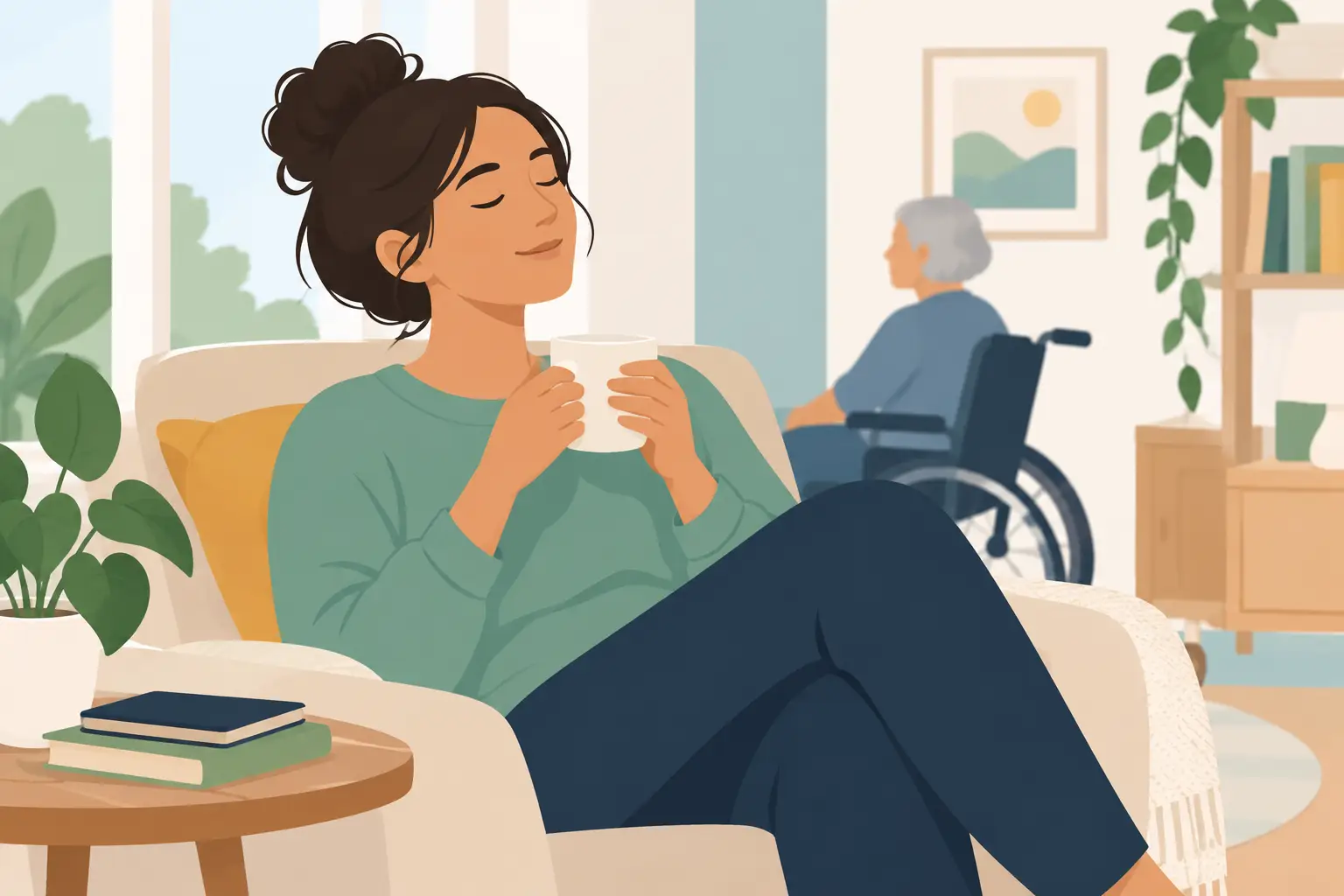
The phone rings while you are making dinner. You need to pick up medication, reschedule an appointment, and reassure a worried family member. You may keep moving because someone needs you. Yet, your body is already telling a different story: tight shoulders, shallow breathing, irritability, fatigue, or a mind that will not turn off. Self care for caregiver stress is not a luxury added after every task is complete. It is part of how you remain present without losing yourself.
Caregiving can be an act of deep love, loyalty, and responsibility. It can also bring grief, anger, fear, financial pressure, disrupted sleep, and guilt for wanting a break. Both truths can exist at once. You do not need to judge yourself for having difficult feelings. You need practical ways to meet them, release some of their hold, and return to your life with more ease.
Why Caregiver Stress Reaches So Deep
Caregiver stress is more than having a full schedule. It is the ongoing feeling that you must stay alert because another person’s safety, comfort, or stability may depend on you. Your nervous system may begin treating ordinary moments as emergencies. Even when the house is quiet, you may still be bracing for the next call, symptom, conflict, or unexpected expense.
Over time, this state can affect sleep, digestion, concentration, patience, pain levels, and relationships. It may also amplify physical pain that was already present. When emotions such as grief, resentment, helplessness, or fear have no safe place to go, they often show up through the body as tension, exhaustion, headaches, jaw clenching, or a heavy feeling you cannot quite name.
This does not mean your symptoms are “all in your head.” Your experience is real. It means your physical, emotional, mental, and spiritual well-being are connected. Supporting all of them gives you more choices than simply pushing through another hard day.
Self Care for Caregiver Stress Starts With Permission
Many caregivers believe they must earn rest by finishing everything first. But caregiving rarely produces a fully finished list. If your well-being depends on reaching that point, it will always be postponed.
Try a different belief: caring for yourself supports the care you give. A regulated nervous system helps you think more clearly. A rested body may be more patient and less reactive. A few minutes of emotional release can prevent a small frustration from becoming a painful argument. This is not selfishness. It is sustainable care.
Permission can sound simple, but it may challenge years of conditioning. You may be used to being the dependable one, the problem solver, or the person who does not complain. Begin with one honest sentence: “I am carrying a lot, and I deserve support too.” Repeat it when guilt appears. Guilt is a feeling, not a command.
Create Small Resets You Can Actually Keep
A two-hour wellness routine may sound wonderful and be completely unrealistic. Small, repeatable pauses are often more powerful for caregivers because they can fit into real life. The goal is not perfection. The goal is to interrupt stress before it becomes your only setting.
Use your breath to signal safety
When you notice urgency rising, place both feet on the floor if possible. Let your shoulders drop. Breathe in gently through your nose, then exhale a little longer than you inhaled. Do this three to five times.
A longer exhale can help your body shift out of fight-or-flight mode. You do not need a silent room or special equipment. You can do it in the car before going inside, at the pharmacy counter, or while waiting for water to boil.
Let the body release what the mind is holding
Stress often stays in the muscles after a difficult conversation or medical appointment. Take sixty seconds to unclench your jaw, roll your shoulders, stretch your hands, or shake out your arms. Notice where you are bracing and soften one area.
You might also place a hand over your heart or abdomen and ask, “What am I feeling right now?” There is no need to solve the feeling immediately. Naming sadness, fear, anger, or overwhelm can reduce the pressure of carrying it alone.
Protect one daily moment that belongs to you
Choose a short activity that reminds you that you are a person, not only a caregiver. It might be sitting outside with tea, listening to music, taking a slow shower, praying, journaling, tending a plant, or walking around the block.
Make the practice specific and small enough to keep. “I will have ten quiet minutes after lunch” is more useful than “I will take better care of myself.” Consistency builds trust with yourself, especially when life feels unpredictable.
Make Room for the Feelings That Are Hard to Admit
Caregivers are often told to stay positive. Positivity can be comforting, but forced positivity can become another burden. You are allowed to love someone and feel frustrated with the demands of their care. You are allowed to feel grateful and deeply tired. You are allowed to grieve changes that are happening while the person you love is still here.
Unprocessed emotions do not disappear because we ignore them. They can become tension, numbness, resentment, or a sense of disconnection from your own joy. A regular check-in can help. At the end of the day, write a few sentences beginning with: “Today was hard because…” and “What I need most is…”
If writing does not feel natural, speak your answer aloud in a private space. The point is compassionate honesty. You do not need to make your feelings more acceptable before you listen to them.
Set Boundaries That Support Care, Not Abandonment
Boundaries can feel frightening when another person has real needs. Yet a boundary is not a rejection. It is a clear statement of what you can do without harming your own health.
You may need to say, “I can take you Tuesday, but I cannot manage every appointment,” or “I can talk for fifteen minutes, then I need to rest.” You may need to ask siblings, friends, neighbors, or community members for one concrete form of help instead of hoping they will notice. Specific requests are easier for people to answer.
Consider the difference between urgent and important. A missed call is not always an emergency. A request may be meaningful without being yours alone to handle. If there are safety concerns, medical changes, or crisis needs, seek appropriate professional or emergency support. But for the many nonurgent demands that fill a day, a pause before responding can protect your energy.
Rebuild Support Around You
Isolation makes caregiver stress heavier. You may feel that no one truly understands, or you may avoid sharing because you do not want to worry others. Still, support does not have to mean handing over your whole story at once.
Start with one person who can listen without immediately giving advice. Tell them what kind of support would help: a weekly check-in, a meal drop-off, company during an appointment, or simply a space to say the truth. If family dynamics are strained, a caregiver group, wellness facilitator, counselor, faith community, or trusted professional may offer a steadier place to be heard.
Holistic support can also help you explore the patterns beneath stress. Sometimes the exhaustion is not only from the number of tasks. It is connected to old beliefs such as “I have to do everything,” “My needs do not matter,” or “Rest means I am failing.” Practical self-management tools and healing-oriented support can help loosen these patterns so you can respond from choice rather than fear.
Notice What Restores Your Energy
Not every form of rest feels restorative. Scrolling late at night may distract you, but it may not calm your nervous system. Saying yes to another obligation may win approval, but it may leave you depleted. Pay attention to the difference between escape and renewal.
For some people, renewal comes through movement, nature, prayer, creative expression, laughter, or quiet. For others, it comes from learning a technique that helps release emotional charge and ease physical tension. It depends on your needs, your schedule, and what your body responds to. Keep a simple mental record of what leaves you steadier afterward, then return to those practices more often.
You do not have to wait until burnout forces a change. Begin today with one breath, one honest feeling, one request for help, or one protected moment of rest. You are not here only to endure caregiving. You deserve to reclaim your health, ease, joy, and the parts of yourself that make life feel like your own.