
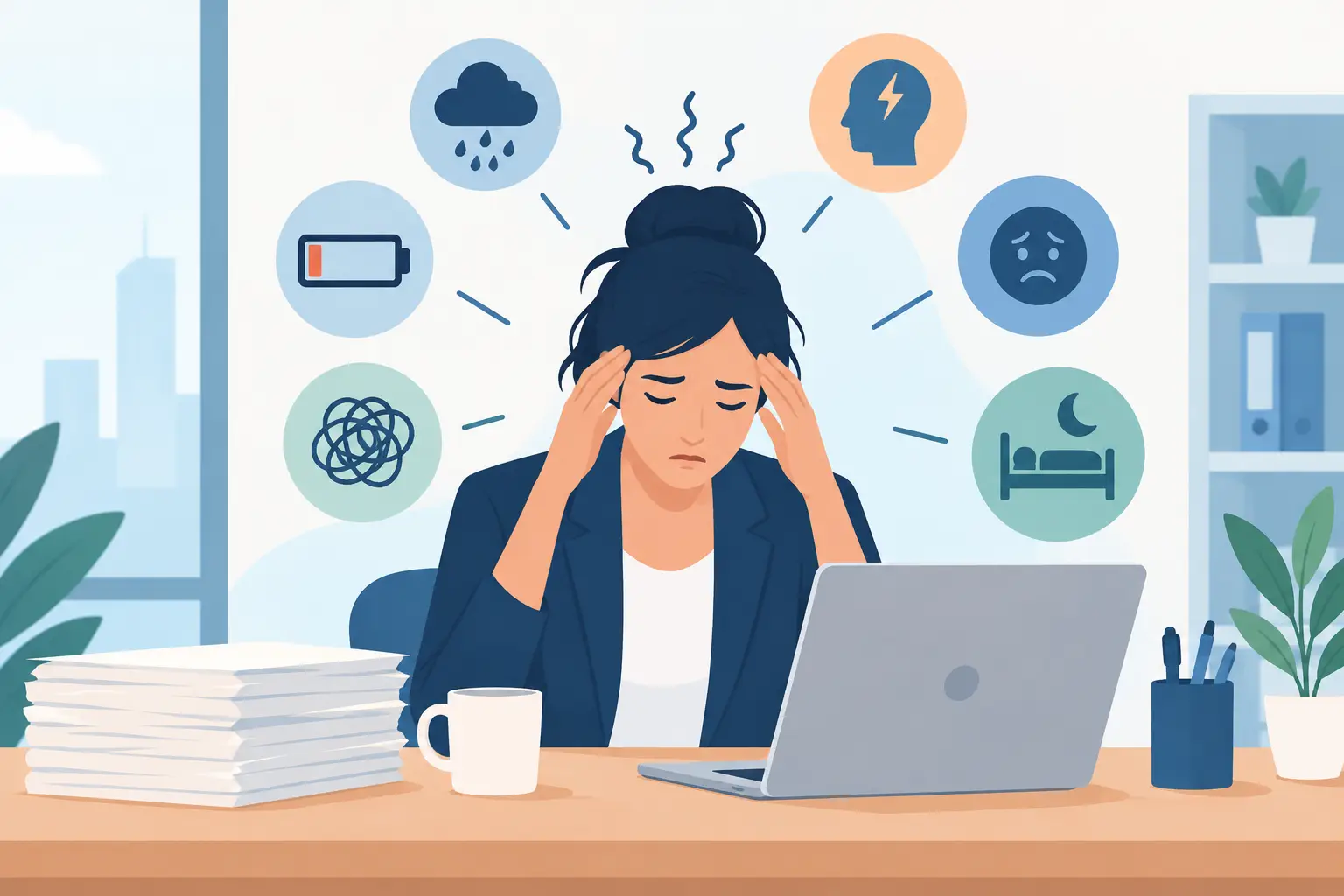
Stress Warning Signs at Work You Shouldn’t Ignore
The meeting ends, yet your shoulders stay lifted. You reread a simple email three times and still cannot decide how to reply. You may tell yourself it is just a busy week, but stress warning signs at work often appear long before a person feels ready to call the situation serious. Your body, emotions, thoughts, and energy may already be asking for attention.
Work can bring purpose, connection, creativity, and financial stability. It can also bring relentless demands, unclear expectations, conflict, caregiving pressures at home, and the feeling that there is never enough time to recover. You do not have to wait until stress becomes burnout, illness, or a breaking point to respond. Noticing what is happening is a powerful first step toward reclaiming ease, clarity, and personal agency.
Stress Warning Signs at Work Can Be Easy to Explain Away
Many capable people minimize stress because they are used to pushing through. They may see exhaustion as proof of dedication, irritability as a personality flaw, or headaches as an unavoidable part of a demanding career. But stress is not always loud. Sometimes it shows up as a subtle change in how you feel, think, sleep, communicate, or move through your day.
Physical signs can include tightness in the jaw, neck, shoulders, chest, or stomach; frequent headaches; shallow breathing; digestive discomfort; fatigue that rest does not fully resolve; or a noticeable change in sleep. You may get to work already depleted, rely more heavily on caffeine or sugar, or feel physically restless even when sitting still.
Emotional signs may look like impatience with coworkers, a shorter temper at home, dread before opening your laptop, sadness you cannot quite explain, or numbness toward work you once enjoyed. Some people become tearful. Others become intensely self-critical, withdrawn, or emotionally flat. Neither response means you are weak. Both can be signals that your inner resources are being stretched too far.
Mental signs are often mistaken for a lack of discipline. You might struggle to focus, forget details, procrastinate on tasks you normally handle well, make more errors, or feel unable to prioritize. When the nervous system is on high alert, clear thinking can become more difficult. Your mind is trying to protect you, even if the result is frustration.
There can also be behavioral and relational signals. Perhaps you skip breaks, work through lunch, avoid colleagues, stay online late to catch up, or find yourself reacting defensively to ordinary feedback. You may say yes to every request while quietly resenting the pressure. These patterns are not personal failures. They are invitations to pause and ask what needs care.
Why Work Stress Is More Than a Work Problem
Stress does not always stay at the office or disappear when you close your computer. An unresolved conflict, a constant sense of urgency, or the fear of disappointing others can follow you into meals, sleep, family time, and weekends. Over time, the body may learn to remain guarded even in moments that should feel safe.
At EnergyMDT, we view stress as an interconnected experience. Physical discomfort, emotional pain, recurring thoughts, personal habits, and deeper beliefs can reinforce one another. For example, a person who believes they must be perfect to be valued may overwork, ignore fatigue, become tense and irritable, then judge themselves for not coping better. The cycle can feel automatic, but it can be changed.
This does not mean every workplace challenge can be resolved through mindset alone. An unhealthy manager, understaffing, discrimination, financial pressure, or unrealistic workload requires practical action and, at times, organizational support. Holistic self-care is not about accepting what is unacceptable. It is about helping you stay connected to yourself as you decide what boundaries, conversations, resources, or changes are needed.
Notice Your Personal Pattern Before It Escalates
A useful question is not simply, “Am I stressed?” It is, “How does stress show up in me?” Your answer may be different from a coworker’s. One person may overfunction and become hyperproductive. Another may freeze, avoid tasks, or lose motivation. Both deserve compassion and practical support.
For one week, take brief notes at the beginning, middle, and end of your workday. Rate your stress from zero to ten. Notice where you feel tension in your body, what thoughts repeat most often, and what happened shortly before your stress rose. You may discover that your stress spikes after certain meetings, during rushed transitions, when you skip food or water, or when you take on work that belongs to someone else.
Also pay attention to what brings even a small shift toward calm. It may be five quiet minutes in your car, a supportive conversation, a walk outside, prayer, music, stretching, or placing both feet on the floor before a difficult call. Small moments of regulation matter. They remind your system that stress is present, but it does not have to control every moment.
Practical Ways to Respond During the Workday
You do not need a perfect wellness routine to begin feeling more supported. The goal is to create small, repeatable practices that help your body and mind return to the present.
Start with your breath. Before opening an email, entering a meeting, or responding to a tense message, let your exhale become slightly longer than your inhale. Try breathing in comfortably, then breathing out slowly for a few rounds. There is no need to force deep breaths. Gentle breathing can signal safety to the body and interrupt the rush to react.
Give your body a reset. Drop your shoulders, unclench your jaw, relax your hands, and feel the support beneath your feet. If possible, stand up, look away from the screen, and move for two minutes. Stress often builds when the body holds the same protective posture for hours.
Create a pause between pressure and response. If an email triggers anger or fear, write a draft and wait before sending it. If a colleague asks for something you cannot reasonably take on, practice a clear response such as, “I can help with this by Thursday,” or, “My current priorities will not allow me to add this today.” A boundary is not a rejection of others. It is a way of honoring your capacity.
Name what is true without making it your identity. Instead of saying, “I am failing,” try, “I am feeling overwhelmed right now.” Instead of, “This will never get better,” try, “This situation is difficult, and I can take one supportive step.” This shift may sound simple, yet it creates space between you and the stress story your mind is repeating.
Release What You Carry Home
Many working adults finish the day physically home but emotionally still at work. A brief transition ritual can help. Before you leave your workspace, write down what is unfinished and the next step for tomorrow. This tells your mind it does not have to hold every detail overnight.
Then choose a simple action that marks the end of the workday: wash your hands slowly, change clothes, take a short walk, stretch, sit in your car for a minute of quiet, or listen to music that helps you reconnect with yourself. The practice matters more than making it elaborate. You are teaching yourself that you are more than your role, your inbox, or your productivity.
If anger, grief, fear, or resentment keep resurfacing, give those emotions a safe place to be acknowledged. Journaling, guided wellness practices, supportive facilitation, and energy-based approaches can help some people explore the emotional patterns beneath ongoing stress. The right approach depends on your needs, beliefs, health history, and the level of support you want.
When to Seek More Support
Consider reaching out for additional help if stress feels constant, disrupts sleep for weeks, leads to frequent physical symptoms, affects your relationships, or makes daily tasks feel unmanageable. A trusted health professional or mental health provider can help you assess what is happening. If you are experiencing thoughts of harming yourself or feel unsafe, seek immediate crisis support or emergency assistance.
Support can also be preventive. You do not need to be in crisis to learn skills for calming your nervous system, releasing emotional pressure, communicating boundaries, and caring for your energy. Choosing support is not giving away your power. It is an act of reclaiming it.
Your work matters, but so do your health, your relationships, your rest, and your joy. When your body begins to whisper through tension, fatigue, frustration, or disconnection, listen with kindness. One intentional breath, one honest boundary, and one moment of self-awareness can become the beginning of a different way to live. Start giving yourself that moment today.
 editorial team
The Pain Stress Connection and What You Can Do
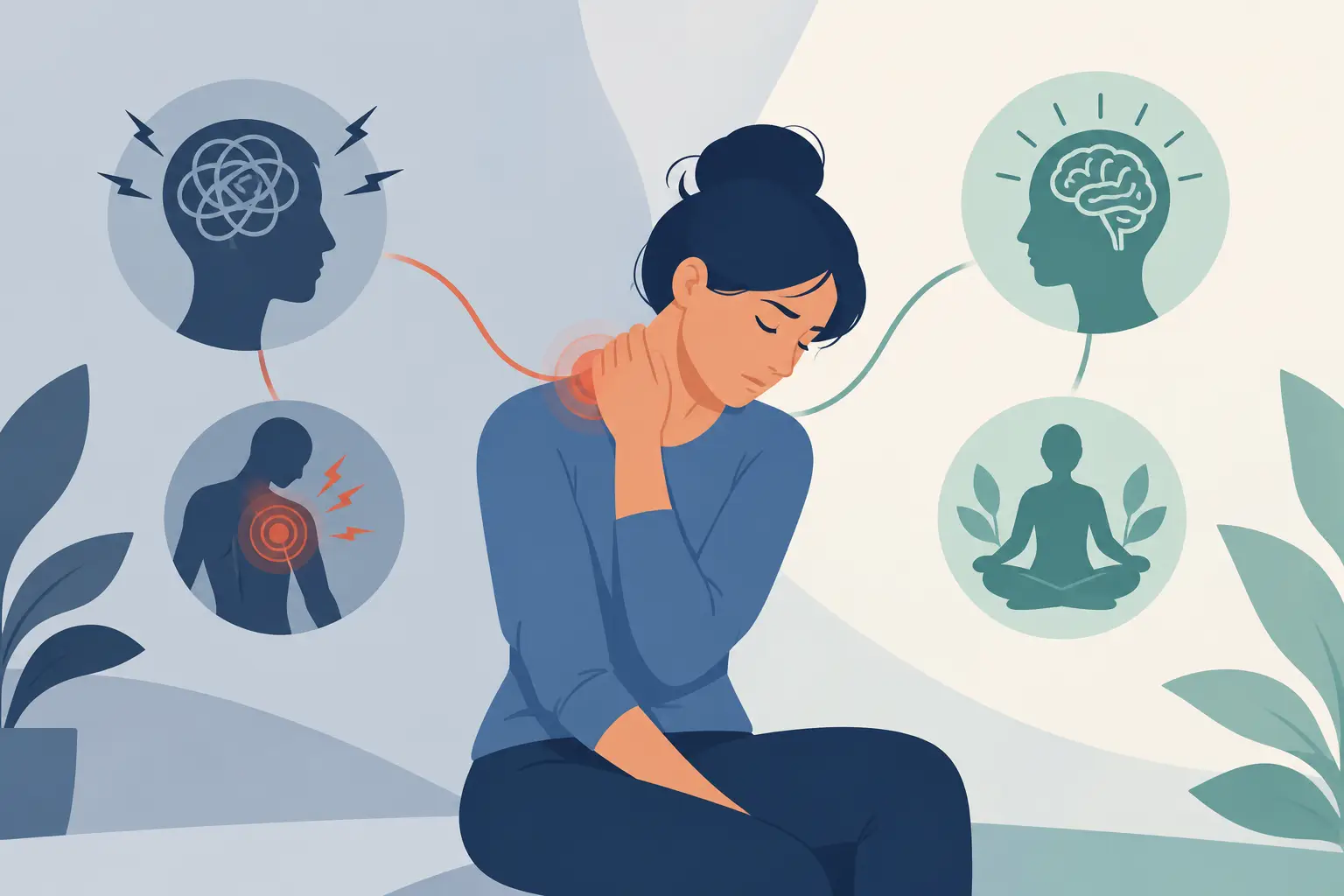
A tight neck before a difficult meeting. A headache after a week of caregiving. Back pain that flares when sleep is short and worries are loud. These experiences are not imagined, exaggerated, or a personal failure. The pain stress connection is real: when your system stays on alert, your body can become more sensitive, tense, depleted, and less able to recover.
For many people, the frustrating part is that pain seems to take over everything. It can affect work, mobility, patience, relationships, and confidence. You may begin planning your life around the next flare-up. Yet pain is not always a fixed command from the body. It can also be information. When you learn to listen without fear and respond with practical care, you can begin creating more ease.
How the Pain Stress Connection Works
Stress is not only a thought in your mind. It is a whole-body response. When your brain perceives pressure, danger, conflict, loss, uncertainty, or even an old emotional wound, it can activate survival chemistry. Your heart rate may rise, breathing may become shallow, muscles may brace, and digestion, sleep, and immune function may shift.
This response is useful when there is immediate danger. The problem comes when the body has little opportunity to return to safety. A demanding job, financial strain, family conflict, grief, chronic caregiving, unresolved anger, or a history of trauma can keep the stress response running in the background. Even if you are sitting still, your nervous system may be working overtime.
Muscle tension alone can contribute to soreness, headaches, jaw pain, and stiffness. But the connection goes further. Ongoing stress can lower your threshold for discomfort, disrupt restorative sleep, increase inflammation-related processes, and make the brain pay closer attention to sensations that might otherwise fade into the background. Pain can then create more worry, less movement, and more tension. That becomes a cycle.
This does not mean that all pain is caused by stress or that a physical condition should be dismissed as “just emotional.” Injuries, arthritis, nerve conditions, autoimmune concerns, and many other health issues deserve appropriate medical evaluation and care. Stress management is not a replacement for diagnosis or treatment. It is a powerful layer of support that can help your whole system cope, recover, and respond differently.
Why Emotions Can Show Up in the Body
Many adults have learned to push through. We swallow anger to keep peace, postpone grief because there is too much to do, and ignore exhaustion because someone depends on us. The body may carry what the mind has not had space to process.
That does not mean every painful shoulder contains one specific hidden emotion. Bodies are more complex than that. Still, patterns are worth noticing. Does your pain intensify after conflict? Does it lessen when you feel supported or absorbed in something meaningful? Do symptoms appear when you are overcommitted, lonely, resentful, or afraid to disappoint someone?
Curiosity is more helpful than judgment. Rather than asking, “What is wrong with me?” try asking, “What has my body been carrying?” That question creates room for compassion. It also opens the door to choices that honor both your physical needs and your emotional truth.
Unprocessed stress is not always dramatic. It may look like constantly rushing, checking your phone late at night, saying yes when you mean no, criticizing yourself, or never allowing a moment of rest. These habits can teach the nervous system that it is never quite safe to stand down.
Signs Your System May Be Stuck on High Alert
Pain and stress do not look identical for everyone. Some people feel wired and restless. Others feel numb, foggy, or deeply fatigued. Pay attention if you notice several patterns occurring together:
- Pain that increases during emotionally demanding periods
- Tight shoulders, clenched teeth, shallow breathing, or frequent headaches
- Poor sleep followed by stronger pain or lower patience the next day
- Feeling easily startled, irritable, overwhelmed, or unable to relax
- Avoiding movement because discomfort feels frightening
- A sense that your body is always bracing for the next problem
These signs are not proof that you have done anything wrong. They are invitations to give your body a new message: there is support available now.
Practical Ways to Interrupt the Cycle
The goal is not to force yourself to be calm or pretend pain is gone. The goal is to give your mind and body repeated experiences of safety, release, and choice. Small practices matter because the nervous system learns through repetition.
Begin with a 90-second reset
When pain or stress rises, pause before reacting. Put both feet on the floor if you can. Let your shoulders drop. Breathe in gently through your nose, then make the exhale a little longer than the inhale. Look around the room and name three neutral things you can see.
This is not a magic trick, and it may not erase pain immediately. It can reduce the added layer of alarm that often makes discomfort feel bigger. Practice during calm moments too, so the skill is familiar when you need it.
Respond to tension with kindness, not force
Many people try to stretch, exercise, or massage pain away aggressively. Sometimes that helps. Other times, pushing hard reinforces the message that the body is under attack. Experiment with gentle movement instead: a short walk, slow shoulder circles, easy range-of-motion work, or a warm shower followed by rest.
The right approach depends on your condition. If movement increases sharp pain, weakness, numbness, dizziness, or new symptoms, stop and seek medical guidance. Healing is not about proving toughness. It is about learning what helps your body feel supported.
Give emotions a safe outlet
Emotions need movement too. You might journal for five minutes without editing yourself, speak honestly with a trusted person, cry, pray, create art, or sit quietly and name what is present. Anger, grief, fear, and disappointment do not make you negative. They make you human.
Try this simple prompt: “If my pain could speak with compassion, what might it ask for today?” The answer may be rest. It may be a boundary. It may be help. It may be permission to stop carrying everyone else’s needs alone.
Protect recovery time
A nervous system cannot reset if every hour is filled with demand. Recovery does not have to mean a weekend retreat. It may mean taking three slow breaths before opening your inbox, stepping outside at lunch, turning off notifications in the evening, or choosing one less obligation this week.
Sleep deserves special attention. Pain often disrupts sleep, and poor sleep can increase pain sensitivity the next day. Create a simple wind-down ritual that signals completion: lower the lights, reduce stimulating content, write down tomorrow’s tasks, and use a calming breath or body scan. Consistency matters more than perfection.
Reclaiming Agency Without Blaming Yourself
One of the most empowering parts of understanding the pain stress connection is recognizing that you have influence. You may not control every diagnosis, demand, memory, or symptom. But you can build skills that change how your system moves through difficult moments.
That influence should never become self-blame. If you are in pain, you do not need to think happier thoughts or become spiritually perfect. You need effective support, honest self-awareness, and tools you can return to when life gets hard. A healing-oriented approach may include medical care, physical therapy, counseling, community support, gentle movement, stress-reduction practices, and energy-based wellness techniques. The best combination depends on your needs.
EnergyMDT’s work is grounded in this practical truth: you can learn methods that support your own well-being beyond a single appointment or difficult day. Freedom grows when you have tools in your hands.
If pain is severe, sudden, worsening, follows an injury, or comes with symptoms such as chest pain, trouble breathing, fever, fainting, weakness, or changes in bladder or bowel control, seek urgent medical care. For persistent pain, a qualified health professional can help you understand possible causes while you build stress-management support around that care.
Today, choose one small act that tells your body it does not have to fight alone. Sit quietly. Soften your jaw. Ask for help. Take a gentle walk. Let one feeling be felt instead of buried. Each compassionate choice is a way of reclaiming your health, your ease, and your right to a more joyful life.
How Emotions Affect Physical Pain and What Helps
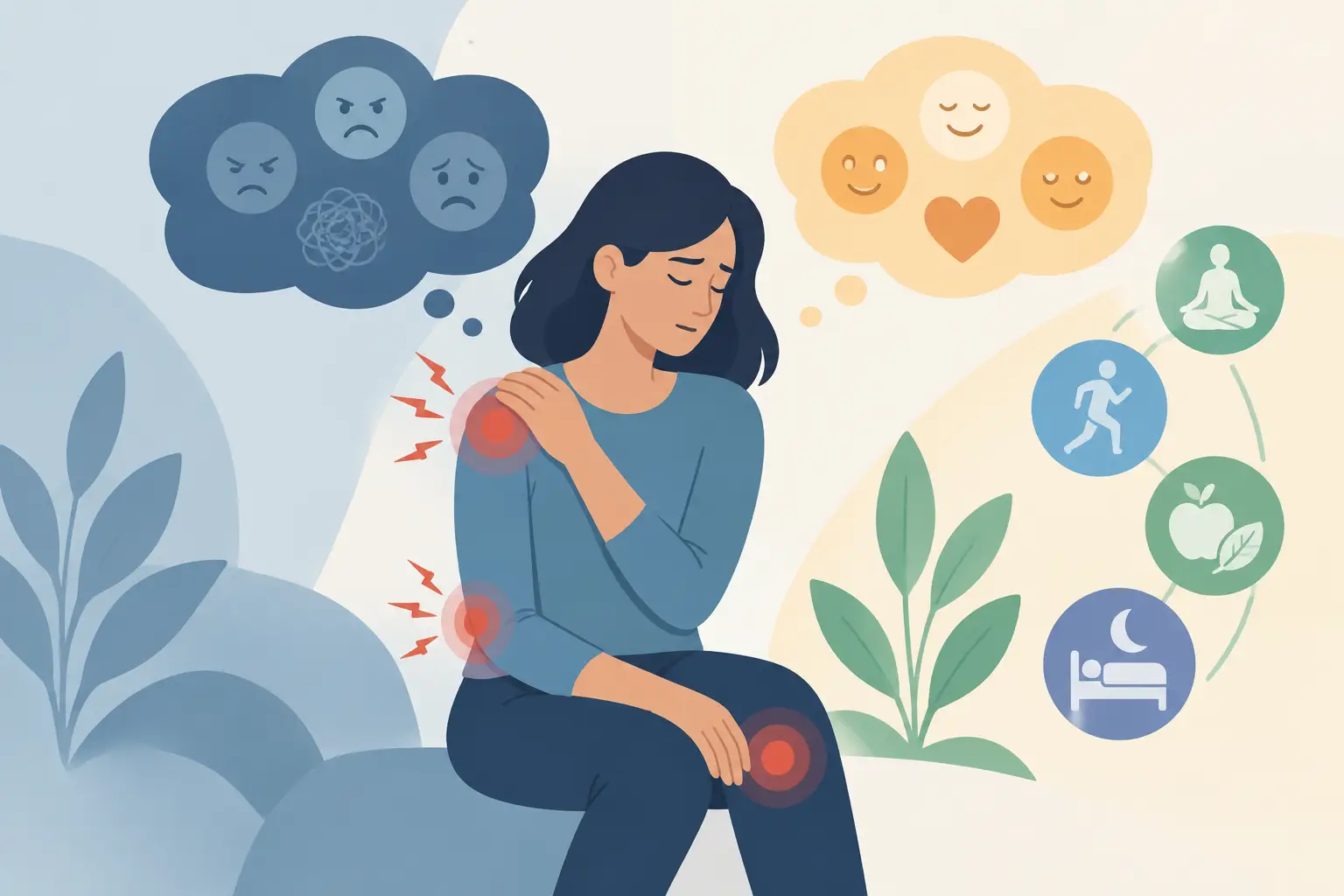
A tight neck before a difficult meeting. A headache after an argument. Back pain that flares when life feels overwhelming. These experiences are not imagined, exaggerated, or “all in your head.” They are real examples of how emotions affect physical pain. Your body and your emotional life are in constant conversation, and when that conversation is filled with fear, anger, grief, pressure, or unresolved hurt, the body may speak louder.
Pain deserves respect. It can limit your mobility, sleep, work, relationships, and confidence. At the same time, pain can become an invitation to listen more deeply – not only to the physical symptom, but also to the stress, beliefs, habits, and emotional patterns that may be adding to it. Do NOT let pain control you. Learning to recognize this connection can give you more choices, more ease, and a practical path toward reclaiming your well-being.
How emotions affect physical pain
Your brain does not separate physical danger from emotional danger as neatly as most people assume. When you feel threatened, rushed, rejected, angry, or deeply sad, your nervous system may shift into a protective stress response. Muscles tighten, breathing becomes shallower, heart rate may rise, digestion can change, and the body becomes more alert to sensation.
This response is useful in a true emergency. The problem is that many people live with the stress response switched on for far too long. A demanding job, caregiving responsibilities, financial pressure, chronic conflict, grief, trauma, or a harsh inner voice can keep the body braced for impact. Over time, that ongoing tension may contribute to headaches, jaw pain, shoulder and neck discomfort, digestive symptoms, fatigue, and increased sensitivity to existing pain.
Emotions do not mean that every pain condition has an emotional cause. An injury, illness, arthritis, nerve issue, or other medical condition needs appropriate care and evaluation. Yet even when there is a clear physical cause, stress and emotional distress can influence how intensely the nervous system experiences pain. Addressing both sides is not dismissing the body. It is caring for the whole person.
Stress can turn up the volume
Think of pain as an alarm system. Sometimes the alarm accurately signals immediate danger. Sometimes, especially after long-term stress or repeated pain, the system becomes highly sensitive. Small sensations can feel more urgent, and a familiar ache can flare quickly when you are exhausted or emotionally overwhelmed.
This is one reason a pain flare may seem to arrive “out of nowhere.” The trigger may not be a new physical injury. It may be poor sleep after several stressful nights, a difficult conversation, an anniversary connected to loss, or a day spent pushing through without rest. Your body may be responding to a full load, not one isolated event.
Anger, grief, and fear have physical expressions
Different emotions can show up in different ways. Anger may be held as clenching in the jaw, fists, shoulders, or stomach. Fear can create a racing heart, trembling, chest tightness, and shallow breathing. Grief may bring heaviness, low energy, body aches, or a feeling of pressure in the chest. Shame and self-judgment can make people withdraw, overwork, or ignore the body’s need for rest.
There is no universal map that says one emotion always lives in one body part. People are unique. What matters is becoming curious about your own patterns without blaming yourself for having them. Your symptoms are not a personal failure. They may be messages that your system needs safety, support, expression, or a new way of responding.
Why unprocessed emotions can keep the body tense
Many of us learned to keep going no matter what. We may have been taught not to cry, not to get angry, not to need help, or not to inconvenience anyone. These survival habits can help a person get through a hard moment. But when feelings are repeatedly pushed aside, the body may carry what the mind has not had space to process.
Unprocessed emotion does not have to mean reliving every painful event or forcing yourself into intense memories. It can begin much more gently. It may mean admitting, “I am overwhelmed.” It may mean allowing tears after a loss, naming resentment before it becomes constant tension, or noticing that your body hurts more when you feel powerless.
Emotional release is not about becoming emotional all the time. It is about allowing feelings to move through rather than requiring your body to hold them alone. When emotions are acknowledged with compassion, the nervous system often has a better chance to settle.
Practical ways to calm pain and emotional stress
You do not need to wait until pain is unbearable to support your body. Small, repeatable practices can interrupt the cycle of stress, tension, and increased discomfort. The goal is not to force pain away or pretend everything is fine. The goal is to give your system signals of safety and build confidence in your ability to respond.
Start by pausing when you notice a flare. Place one hand where you feel tension, if that is comfortable, and take a slower breath. Ask yourself: What am I feeling right now? What happened before this pain increased? What does my body need in this moment? The answer might be water, food, a stretch, a boundary, a few quiet minutes, a walk, or permission to stop pushing.
Gentle movement can help when it is appropriate for your condition. A short walk, light stretching, shaking out the hands and shoulders, or changing positions can remind the body that it is capable of movement without danger. On other days, rest may be the wiser choice. Personal agency includes listening to your body rather than following a rigid rule.
Your inner language matters, too. Statements such as “My body is broken” or “This will never end” can increase fear and tension, especially during a flare. Try a more supportive statement that remains honest: “This is difficult, and I can take one helpful step.” “My body is asking for care.” “I do not have to solve everything right now.” These phrases do not deny pain. They reduce the additional suffering created by panic and judgment.
Creating a regular emotional check-in can also be powerful. Spend a few minutes writing what you are feeling without editing it. Notice recurring triggers. If anger, grief, trauma, or fear feels too large to manage alone, seek qualified professional support. Healing-oriented sessions, wellness practices, and therapeutic care can complement medical treatment and help you build tools that work in daily life.
When pain needs medical attention
Holistic self-care is valuable, but it is not a substitute for medical evaluation when symptoms are new, severe, worsening, or concerning. Seek urgent care for symptoms such as chest pain, trouble breathing, sudden weakness or numbness, confusion, a severe sudden headache, loss of bladder or bowel control, or pain following a serious injury.
For chronic or recurring pain, consider working with your health care provider while also exploring stress-management and emotional wellness practices. The best approach is often both-and: appropriate medical care for the physical condition, alongside practical support for the emotional and nervous-system patterns that may intensify it.
Reclaim a more peaceful relationship with your body
Pain may have taught you to distrust your body, avoid activity, or fear the next flare. That response makes sense when you have been hurting for a long time. But your body is not your enemy. It is doing its best to protect you, even when its signals feel exhausting or confusing.
At EnergyMDT, the focus is on helping people develop reusable tools for stress relief, emotional release, and greater personal freedom. You deserve approaches that honor the physical, emotional, mental, and spiritual parts of your experience – and that leave you with practices you can use when life gets hard.
Start with one compassionate question today: “What am I carrying that my body may be trying to express?” You do not need to have the perfect answer. A few quiet breaths, a truthful moment, and one caring action can be the beginning of more ease, joy, and trust in yourself.
How a Body Scan for Chronic Pain Creates Ease
Pain can make your body feel like a place you have to brace against. You may wake up already anticipating the ache in your back, the stiffness in your hands, the headache waiting behind your eyes, or the fatigue that follows a difficult night. A body scan for chronic pain offers a different starting point: not fighting your body, ignoring it, or demanding that it change immediately, but listening to it with steady, compassionate attention.
That may sound simple. It is also deeply practical. When pain has been present for weeks, months, or years, the nervous system can become watchful and reactive. Muscles tighten. Thoughts race ahead. Emotions that have had no safe outlet can add another layer of strain. A body scan helps you notice these patterns without adding fear, judgment, or pressure. From that awareness, you can begin choosing a more supportive response.
Why Chronic Pain Needs More Than Pushing Through
Chronic pain is not a character flaw, and it is not proof that you are weak. It can affect your sleep, mobility, work, relationships, mood, and confidence. It can also make every ordinary decision feel heavier: Can I drive today? Can I lift that bag? Will I have the energy to be present with my family tonight?
Many people respond by pushing harder until they crash, or by avoiding movement, rest, emotions, and activities that once brought them joy. Neither response means you have failed. They are understandable survival strategies. Yet they can leave you feeling disconnected from your own inner guidance.
A body scan does not promise to erase every symptom. Pain can have medical, structural, inflammatory, neurological, emotional, and stress-related contributors. What this practice can do is help reduce the extra suffering created by constant alarm. It gives you a repeatable way to check in with your physical sensations, your emotional state, and the energy you are carrying before tension builds further.
What a Body Scan for Chronic Pain Really Is
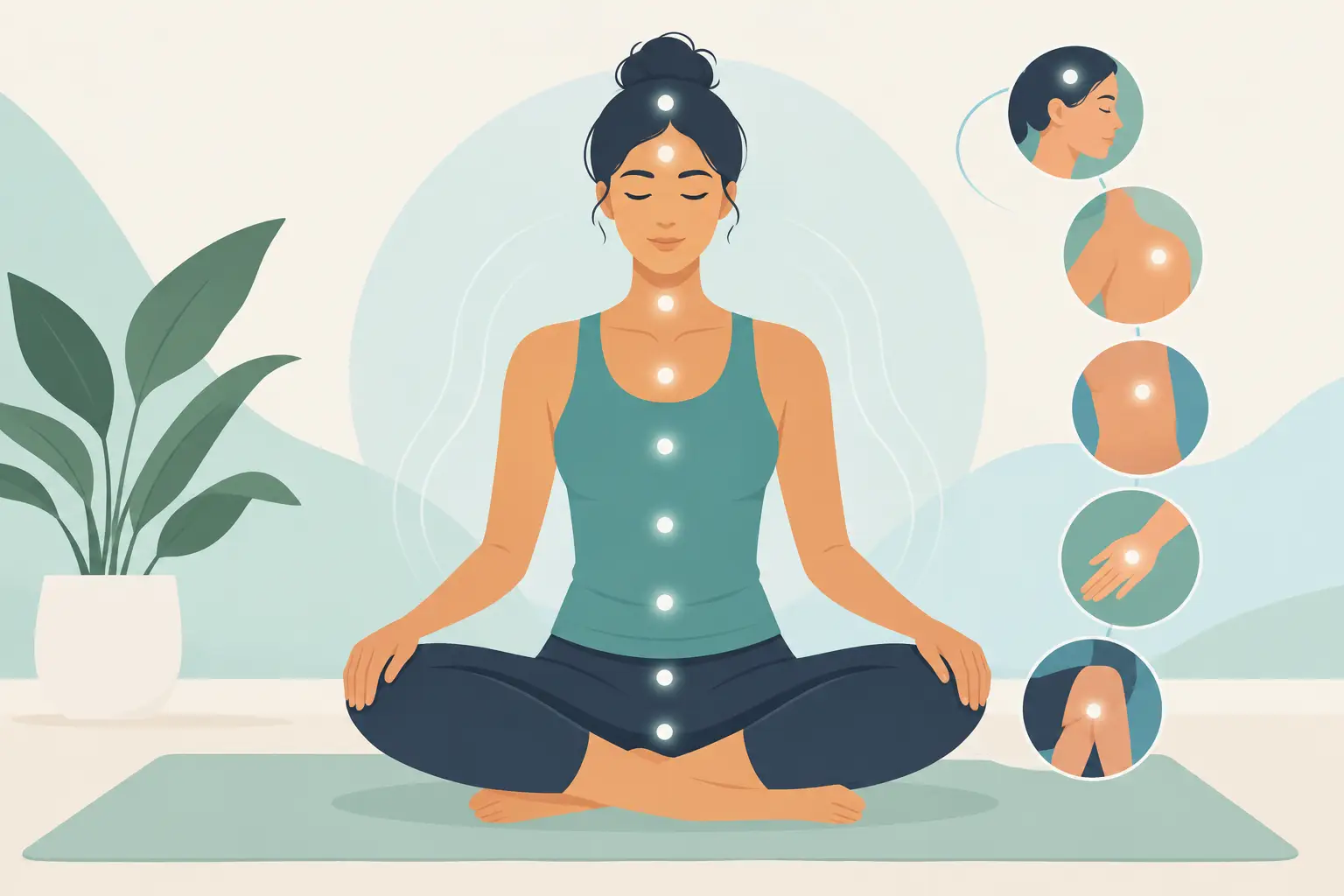
A body scan is a guided attention practice. You bring awareness through different areas of your body, usually slowly, and notice what is there. You might identify warmth, coolness, pressure, throbbing, numbness, tightness, tingling, restlessness, or ease. You may also notice emotions, memories, or beliefs that arise alongside physical discomfort.
The goal is not to force relaxation. Trying to “make” a painful area relax can create more frustration. The goal is to meet each sensation honestly and gently. Instead of thinking, “My shoulder is ruining everything,” you might practice saying, “There is tightness in my shoulder. I am here with it. I can breathe and soften what is available to soften.”
That small shift matters. It moves you from being completely identified with pain to becoming the aware person who can observe, care for, and respond to what the body is communicating.
For some people, a scan feels calming right away. For others, especially people carrying trauma or intense anxiety, turning inward can initially feel uncomfortable. Both experiences are valid. Go slowly, keep your eyes open if that feels safer, and shorten the practice whenever needed. Your body deserves consent and kindness, not another demand.
A Gentle Practice You Can Use Today
Choose a time when you are unlikely to be interrupted. You can lie down, sit in a supportive chair, or even practice while standing if lying flat increases discomfort. There is no perfect position. Comfort is the priority.
Begin by noticing the support beneath you. Feel the chair, bed, or floor holding your weight. Let your jaw unclench if it can. Allow your hands to rest. Take one natural breath, then another. You do not need to breathe deeply if deep breaths are uncomfortable. Simply let the breath be present.
Bring your attention to your feet. Ask quietly: What do I notice here? Do not search for a particular answer. Notice temperature, contact, tension, or the absence of sensation. If you find pain, try naming it without a story: sharp, dull, tight, hot, pulsing, heavy. Then offer a phrase such as, “I hear you,” or, “You do not have to carry this alone.”
Move your attention gradually through your ankles, calves, knees, thighs, hips, lower back, abdomen, chest, upper back, shoulders, arms, hands, neck, face, and scalp. Spend more time where your body asks for it, but do not force yourself to stay with an area that feels overwhelming. You can shift to a neutral area, such as your hands or feet, and return later if you choose.
As you scan, see whether any area can release by just one percent. Not completely. Just one percent. Maybe your shoulders drop slightly. Maybe your belly stops gripping. Maybe the muscles around the painful place soften even if the pain itself remains. These are meaningful changes. They teach your nervous system that it has options besides bracing.
When you reach the end, place a hand where it feels comforting, perhaps over your heart, abdomen, or shoulder. Ask yourself, “What do I need next?” The answer may be water, rest, a gentle stretch, a boundary, a conversation, a walk, or professional support. Let the practice lead to one caring action.
When Emotions Show Up in the Scan
The body often holds more than physical tension. Anger may live in a clenched jaw. Grief may feel like heaviness in the chest. Fear can settle in the stomach or create a constant buzz beneath the skin. These connections do not mean your pain is imaginary. They mean you are a whole person, and your physical, emotional, mental, and spiritual experiences influence one another.
If an emotion arises, resist the urge to judge it or solve it immediately. You might say, “There is sadness here,” or, “I notice fear.” Then let yourself breathe with it for a few moments. If tears come, that can be a release. If nothing comes, that is okay too. Healing is not a performance.
You may find it helpful to journal for a few minutes after your scan. Write down what you noticed, what felt lighter, and what felt difficult. Over time, patterns can become clearer. Perhaps your neck pain intensifies after conflict, your hips tighten when you skip rest, or your headaches increase when you carry everyone else’s needs without speaking your own. Awareness gives you a place to begin making different choices.
Make the Practice Sustainable, Not Perfect
A five-minute body scan done regularly can be more supportive than a 30-minute practice you only do when you are desperate. Consider pairing it with an existing routine: before getting out of bed, after work, before sleep, or while sitting in the car before you enter your home.
On high-pain days, make the scan smaller. Notice only your hands, your breath, and the support beneath you. On better days, you may want to explore the full body with more spaciousness. The practice should meet you where you are, not become another task that proves you are falling behind.
It also helps to release the expectation that every scan must bring immediate relief. Some days, the gift is reduced pain. Other days, it is realizing you need to cancel an unnecessary obligation, ask for help, or stop speaking harshly to yourself. That is still progress toward a life with more freedom and ease.
Know When to Get Additional Care
A body scan is a self-management tool, not a substitute for medical evaluation. Seek prompt medical care for new or severe symptoms, chest pain, sudden weakness, loss of bladder or bowel control, significant injury, fever with severe pain, or any symptom that feels alarming or rapidly worsens.
For ongoing pain, a well-rounded care plan may include medical providers, physical therapy, counseling, movement support, and complementary wellness practices. It depends on your symptoms, history, diagnosis, access to care, and personal needs. You do not have to choose between practical healthcare and whole-person support. You deserve both clear information and compassionate tools.
At EnergyMDT, the focus is on helping people build reusable practices for stress, pain, emotional release, and greater personal agency. A body scan can be one small but powerful part of that path. Do NOT let pain control every decision you make. Begin with a few quiet minutes, listen without judgment, and let your body know that you are willing to stand beside it today.
Online Pain Relief Workshop: Relief You Can Practice
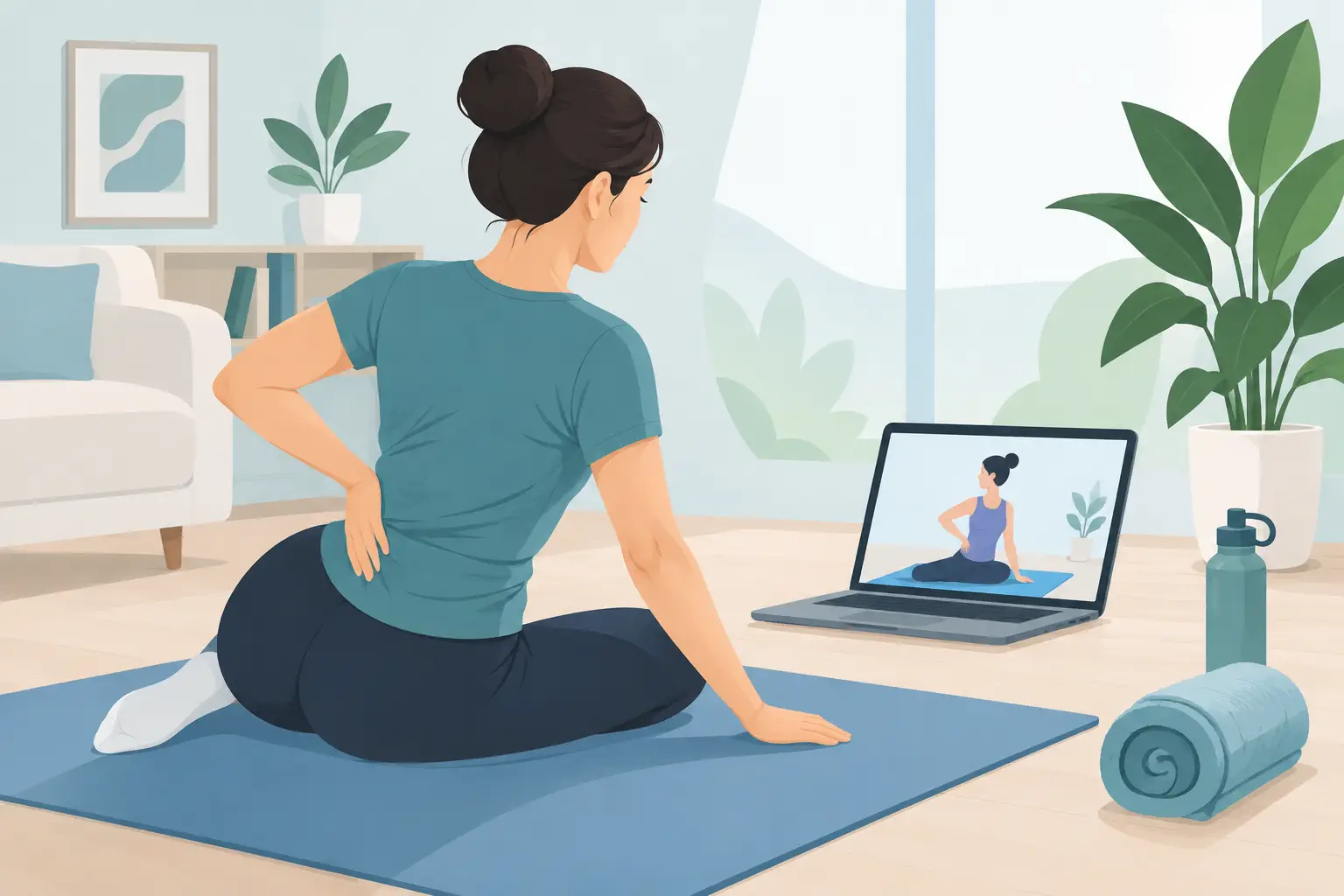
Pain can shrink a life one decision at a time. You may skip the walk, turn down the invitation, brace yourself before getting out of bed, or push through work while your body asks for relief. An online pain relief workshop offers a different starting point: practical, healing-centered tools you can learn in your own space and return to when pain or stress begins to take over.
Do NOT let pain control you. Your experience deserves compassion, and you also deserve choices beyond simply enduring the next difficult day. While medical care remains essential for diagnosis, new or severe symptoms, and treatment decisions, many people find that their daily pain experience shifts when they learn to work with stress, emotions, beliefs, habits, and the body’s energetic signals together.
What an Online Pain Relief Workshop Can Teach You
Pain is real, even when its causes are complex. A sore back, recurring headache, tight shoulders, joint discomfort, or widespread tension can affect sleep, concentration, patience, movement, and hope. It can also bring frustration, fear, grief, anger, or the exhausting feeling that your life has become organized around what hurts.
A holistic workshop does not ask you to pretend pain is “all in your head.” It recognizes that physical discomfort and emotional strain often interact. Stress can tighten muscles, alter breathing, disrupt rest, and keep the nervous system on alert. Unprocessed hurt, constant self-judgment, difficult relationships, and old survival patterns may add to that inner pressure.
The goal is not to blame yourself for being in pain. The goal is to notice where you have influence. Through guided education and gentle practice, you can begin identifying the patterns that intensify discomfort and build a personal set of tools for creating more ease.
An online pain relief workshop may include ways to calm the stress response, release emotional charge, shift unhelpful thought patterns, become more aware of the body’s messages, and use energy-based self-management practices. These are skills, not one-time inspiration. With practice, they can become part of how you respond when pain begins to rise.
Why Learning From Home Can Be Powerful
For someone living with chronic or recurring pain, getting to an appointment can be a barrier in itself. Driving, sitting in a waiting room, arranging childcare, taking time away from work, or managing low energy can make support feel out of reach. Online learning removes some of that friction.
You can join from a familiar chair, your bed, or a quiet room at home. You may have water nearby, adjust your position when needed, and create a calm environment without worrying about keeping up with anyone else. This matters because relief practices work best when you can listen to your body rather than force it to perform.
The online format also supports repetition. You are not depending only on what happens during one session. The value is in learning approaches you can use before a stressful meeting, after a hard conversation, when pain interrupts sleep, or during the first signs of tension in your neck or stomach.
That said, online pain relief workshops are not identical to individualized care. If your pain is sudden, worsening, associated with weakness, numbness, chest pain, fever, injury, or other concerning symptoms, seek appropriate medical attention promptly. A workshop is a place to strengthen your self-care capacity, not a substitute for emergency or diagnostic care.
The Connection Between Stress, Emotion, and Pain
Many people know stress affects the body, yet they still treat stress reduction as optional. When pain is present, it is not optional. It is part of caring for the whole system.
Think about what happens after a tense phone call or a day of rushing. Your jaw may clench. Your shoulders may rise. Your breath may become shallow. You may sleep lightly, crave foods that do not support you, or become less patient with yourself and others. None of this means you have failed. It means your body is trying to protect you, often by staying ready for a threat that has already passed.
A healing-centered approach invites you to ask a more useful question than, “Why can’t I just get over this?” Try asking, “What is my body responding to, and what might help it feel safer right now?” That question makes room for compassion and action at the same time.
Sometimes the answer is physical rest or professional medical support. Sometimes it is a breathing practice, an energy technique, a change in posture, a moment of emotional release, or permission to stop carrying a judgment that has become heavy. Often, it is a combination. Pain relief is rarely one simple switch, but small shifts can create meaningful breathing room.
Relief Does Not Have to Wait for a Perfect Day
You do not need an uninterrupted hour, a silent house, or a pain-free body to begin. A few minutes of intentional practice can interrupt the cycle of tension and reaction. The point is not to force a dramatic result. It is to build trust with yourself by responding differently, consistently, and with care.
For example, you might notice discomfort building while you work. Instead of ignoring it until you are overwhelmed, you pause. You soften your breath, identify the emotion underneath the pressure, use a learned self-management practice, and choose one supportive next step. The pain may not disappear instantly, but you are no longer powerless inside the moment.
What to Look for in a Workshop
The right program should leave you feeling supported, not dependent. Look for teaching that explains practices clearly and gives you time to experience them, rather than simply telling you to relax or think positively. You want tools that are realistic enough to use on an ordinary Tuesday, not only during a perfect wellness routine.
A helpful facilitator respects that every person’s pain story is different. What brings relief for one participant may not be the same for another. A good workshop makes space for personal awareness and choice instead of offering a rigid promise or a one-size-fits-all fix.
It should also address more than symptoms. If pain has affected your confidence, relationships, work, mood, or sense of freedom, those losses matter. Practices that support emotional release, mindset change, and stress reduction can help you reconnect with the parts of life pain has pushed aside.
At EnergyMDT, the focus is on teaching practical multi-energy modalities and self-management techniques that support physical, emotional, mental, and spiritual wellbeing. The purpose is not to hand your power to someone else. It is to help you develop skills you can revisit whenever you need them.
Come Ready to Participate, Not Perform
You do not need experience with energy work, meditation, or holistic wellness to benefit from an online pain relief workshop. Curiosity is enough. Arrive with an open mind, a willingness to notice what is happening within you, and a commitment to practice without judging every sensation.
Give yourself permission to go gently. Wear comfortable clothing, keep a notebook nearby if writing helps you process, and choose a space where you can be present. If you need to stand, lie down, stretch, turn off your camera, or take a pause, honor that need. Healing is not a performance.
It can help to set an intention that is specific but kind. Rather than demanding, “I must be completely pain-free,” try, “I am ready to learn what helps my body feel more ease,” or “I am willing to release one layer of stress today.” These intentions keep you connected to possibility without adding more pressure.
Reclaim More Than Relief
Pain relief matters because your life matters. You deserve energy for the people you love, confidence in your decisions, room for laughter, and moments when your body is not the loudest thing in the room. You deserve to feel that your wellbeing is something you can participate in, even when the road has been difficult.
An online pain relief workshop can be a meaningful first step because it moves you from searching for relief to practicing it. The practices may be simple, but their impact grows when they become part of your daily relationship with yourself.
Start where you are. Meet your body with patience, meet your emotions with honesty, and allow yourself to believe that more ease, joy, and freedom are still possible today.
Natural Pain Relief That Builds Daily Ease
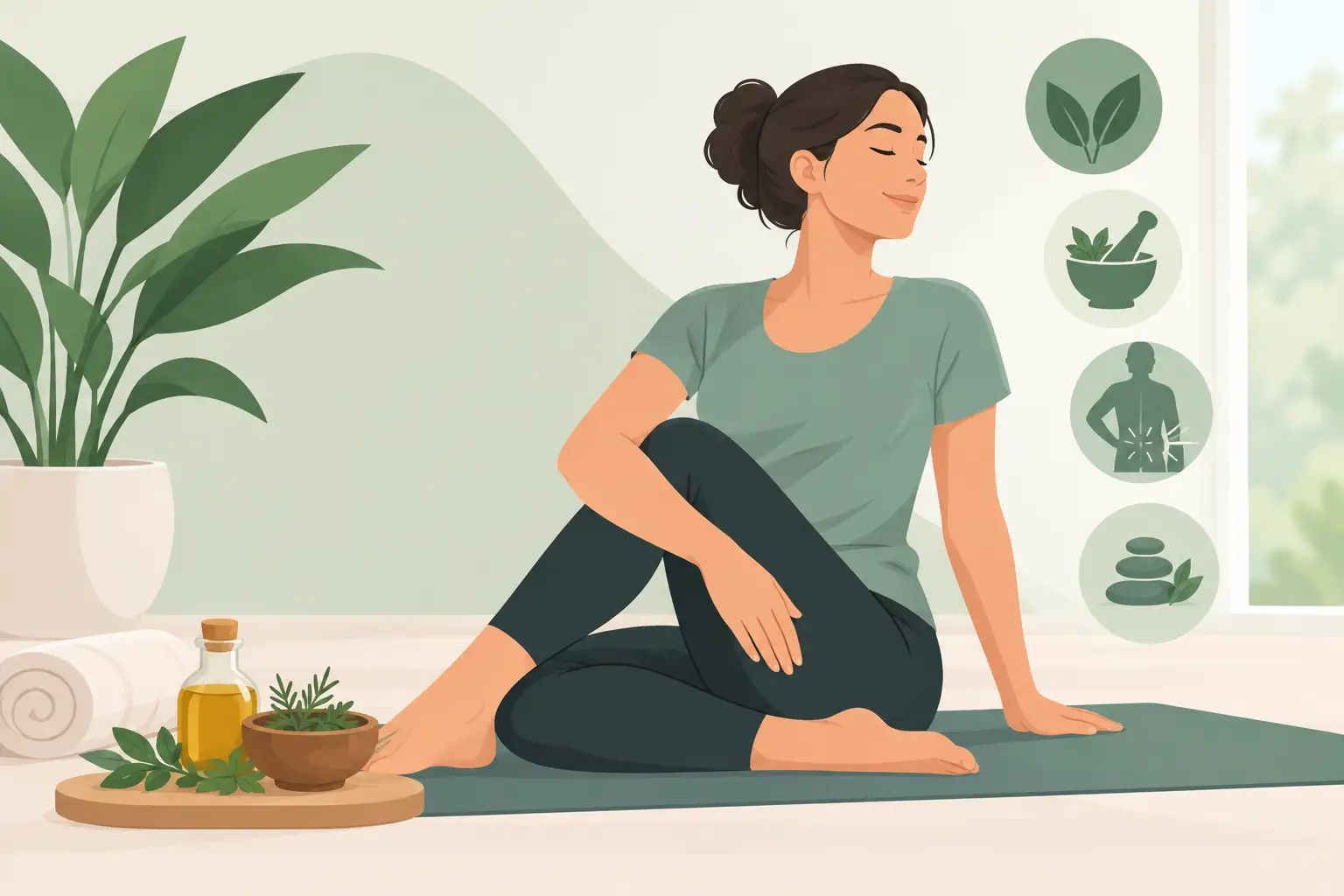
When pain interrupts your sleep, makes work feel heavier, or keeps you from enjoying time with the people you love, it can begin to feel like it is running your life. Natural pain relief is not about pretending pain is minor or forcing yourself to push through it. It is about learning supportive ways to respond to your body, calm the stress that can amplify discomfort, and reclaim more ease one day at a time.
Pain is personal. Two people can have a similar diagnosis or injury and experience it very differently based on sleep, stress, emotions, activity levels, past experiences, and the support they have around them. That is why a whole-person approach can be so valuable. You are more than a symptom, and you deserve practical tools that help you participate in your own wellbeing.
Why Pain and Stress Often Travel Together
Physical pain has real effects on the nervous system. At the same time, ongoing stress can tighten muscles, disturb sleep, shorten patience, alter breathing, and make the body more sensitive to discomfort. This does not mean pain is “all in your head.” It means your mind, body, emotions, and daily environment are connected.
Consider the pattern many working adults and caregivers know well: a demanding week leads to shallow breathing, skipped meals, less movement, and a restless night. By Friday, the neck is tight, the low back aches, and even a small frustration feels overwhelming. The body has been carrying more than physical tasks. It has also been carrying pressure, unresolved emotion, worry, and the habit of staying on alert.
Natural approaches can help interrupt this cycle. They work best when they are consistent and realistic, not when they become another impossible item on your to-do list. A five-minute practice you actually use can be more helpful than an elaborate routine you abandon after three days.
Natural Pain Relief Starts With Listening
Before choosing a technique, pause and get curious about your pattern. Where is the pain? When does it feel stronger or lighter? What was happening before it started? How are you sleeping, eating, moving, and managing stress?
This kind of observation is not about blaming yourself for pain. It is about identifying what your body may be asking for. You may notice that your headaches arrive after long screen sessions, your shoulder tension rises during conflict, or your knee pain worsens after too much sitting followed by too much weekend activity. Patterns give you choices.
A simple daily check-in can be enough. Rate discomfort from zero to 10, notice your energy and mood, and write one sentence about what may be influencing you. Over a few weeks, this record can reveal connections that are easy to miss when every day feels rushed.
Use Gentle Movement, Not Punishment
When pain is present, the instinct may be to stop moving entirely. Rest is sometimes necessary, especially after an injury or flare-up. Yet prolonged inactivity can increase stiffness, reduce confidence, and make everyday movements feel harder.
Gentle, appropriate movement often supports circulation, mobility, and a sense of trust in your body. A slow walk, light stretching, chair exercises, water movement, or a few minutes of mobility work may be enough to begin. The right choice depends on your condition, current ability, and medical guidance.
The goal is not to earn relief by working harder. It is to practice safe movement that leaves you feeling the same or a little better, rather than significantly worse. Start below your limit. If you have been inactive, even two or three minutes is a valid beginning.
Change the Message With Breath and Relaxation
Pain can put the body into a protective state. The jaw clenches, shoulders rise, the belly tightens, and breathing becomes short. Slowing the breath gives the nervous system a different signal: there may be enough safety, in this moment, to soften.
Try placing both feet on the floor and letting your hands rest comfortably. Breathe in gently through your nose. Then let the exhale be a little longer than the inhale, without straining. As you breathe out, allow your shoulders to drop and your jaw to unclench. Continue for two to five minutes.
This practice will not erase every source of pain. It can, however, reduce the added layer of tension that often makes pain feel louder. Many people find it especially useful before sleep, during a stressful conversation, or at the first sign of a tension headache.
Make Sleep Part of Your Pain Care
Poor sleep and pain can feed each other. Pain makes it difficult to settle down, and fatigue can make the next day’s discomfort feel more intense. Rather than aiming for a perfect bedtime routine, choose one or two repeatable signals that tell your body the day is ending.
You might dim lights, step away from upsetting news, do a few slow stretches, listen to calming audio, or write down tomorrow’s tasks so they are not circling in your mind. If you wake with pain, avoid judging yourself for being awake. Return to slow breathing, adjust your position if needed, and focus on comfort rather than forcing sleep.
The Emotional Side of Physical Discomfort
Anger, grief, fear, disappointment, and old emotional wounds do not always show up as tears or words. Sometimes they show up as a clenched stomach, a tight chest, an aching back, or exhaustion that does not lift with one good night of rest.
Emotional release is not a replacement for medical care, and it is not a claim that every condition has an emotional cause. It is an invitation to notice what you have been carrying. Giving emotions a safe place to move can reduce internal strain and help you respond to pain with more compassion.
Journaling, talking with a trusted professional, prayer, meditation, creative expression, and healing-oriented energy practices can all be supportive. The best practice is the one that helps you feel more grounded, not more overwhelmed. If a memory or feeling becomes too intense, pause and seek qualified support.
At EnergyMDT, the focus is on helping people learn reusable self-management techniques that address physical discomfort alongside stress, emotional patterns, and the desire for a more joyful life. You do not have to hand over your power to begin receiving support. You can learn skills, practice them at home, and return to them whenever life feels heavy.
Build a Plan You Can Use on a Hard Day
Natural pain relief becomes more useful when you decide what to do before a flare-up catches you off guard. Keep your plan simple and specific. You might choose a morning mobility practice, a brief breathing reset before lunch, a supportive heat or cold routine recommended for your situation, and a calming practice before bed.
Think in terms of layers. Movement may help stiffness. Hydration and regular meals may prevent the depleted feeling that worsens pain. Boundaries may reduce the stress load that keeps your nervous system activated. Emotional support may help you stop carrying everything alone.
It also helps to release the all-or-nothing mindset. A painful day does not mean you have failed. A setback can be information: perhaps you need more rest, a slower pace, a different movement, or additional medical assessment. Healing is rarely a straight line, but small choices can still create meaningful change.
Know When to Seek Medical Care
Natural tools can complement medical care, but some pain needs prompt evaluation. Seek emergency help for chest pain, trouble breathing, sudden weakness or numbness on one side, confusion, fainting, a severe sudden headache, or pain after a major injury.
Contact a healthcare professional promptly for pain that is new and severe, steadily worsening, accompanied by fever, unexplained weight loss, bowel or bladder changes, persistent numbness, or difficulty walking. If pain has lasted for weeks, disrupts sleep or daily activities, or requires you to rely heavily on medication, an evaluation can help clarify what support is needed.
Bring your natural practices into the conversation with your provider. A thoughtful plan can include medical evaluation, physical therapy, counseling, appropriate medication when needed, and self-care strategies. This is not about choosing one side. It is about building care that respects the whole of you.
Pain may be part of your experience right now, but it does not have to become your identity or your future. Start with one gentle practice today, listen to what your body tells you, and let each small moment of relief remind you that greater ease is possible.
Natural Pain Relief
Natural Pain Relief Methods for Lower Back Pain Management
If you’re suffering from lower back pain, you know how debilitating it can be. You may not be able to work, play with your kids, or simply walk without struggling. Fortunately, there are several natural pain relief methods that can help you manage your pain while allowing you to live your life to the fullest again. Here are three of the best options.
Use Epsom Salt
Epsom salt or “bath salt” is a natural pain relief method that is added to a hot bath. Once Epsom salt is dissolved in water, it releases magnesium and sulfate ions. These particles are then absorbed through your skin, providing you with magnesium and sulfates which your body needs to detoxify.
Many people who experience lower back pain due to muscle overexertion use it regularly as a natural pain relief successfully. Some athletes have made it their home remedy so that they get to have pain relief without meds. This is well-known natural pain management for lower back pain since it’s been around for centuries!
Use Ice Compression Therapy
Ice Compression Therapy is another popular pain relief without meds method that we have available to us so that we get natural pain relief without meds. It’s best to use it right after exercise to reduce soreness. Using ice compression therapy to reduce pain and inflammation of your lower back after exercising will help your body heal itself faster and get rid of that pain. (more…)
Pain Management Without Meds

Did you know that pain management without meds is a possibility for you?
Have you noticed how many people are saying that they have back pain these days? In my energy facilitation practice, I get many people who are experiencing this. When I ask what they’ve been doing to ease the pain, they are taking either their prescribed drug or over-the-counter painkillers. But did you know that you can also find pain management without meds?
It’s interesting to me that although there are alternative solutions for pain relief, people are still operating within the box for solutions. But did you know that you can have pain management without meds?
Please, don’t get me wrong, you should follow your doctor’s advice but look for something else as well.
You shouldn’t have to make pain something “natural” to your daily life. You also can have pain management without meds!
For pain management without meds alternative solutions include:
- Acupuncture: This solution has been in existence for a long time. It is part of traditional Chinese medicine. It is a technique for balancing the flow of energy or life force — known as chi or qi (chee) — believed to flow through pathways (meridians) in your body. When there is a pain in the body, it is because this flow of energy in the body is blocked. The practitioner inserts needles into specific parts of the body for the purpose of taking away the pain. If you’re afraid of needles, rest assured that you don’t feel them at all. The needles are so thin that you do not feel them and the benefits are that you get relief from the pain.
- Massage therapy: It is used by both Eastern and Western cultures. It was one of the earliest solutions people have used to relieve pain. In this solution, the practitioner manipulates the soft tissues of the body which include muscles, connective tissue, tendons, ligaments, and joints. The goal is to loosen up you mentally and physically; thus, releasing the pain.
- Physical therapy and exercise: This is another alternative that is performed under the supervision of a physical therapist. He/she will guide you on the ideal exercise for your condition as well as education so that you can help yourself in the future. The more you do the exercises, the more your body relaxes and gets back to the balance it needs.
- Rife Frequencies: A hidden secret. Dr. Royal R. Rife discovered the frequencies of all body ailments or dis-eases including cancer. Rife is non-invasive and non-toxic. Additionally, you don’t even need to know more than how to do a YouTube search and you’ll be listening to frequencies that can help you heal that which ails you. Read more about this process in my blog here
- Energy Healing: This solution has been around since ancient times; it is an energy medicine solution. There are many diverse modalities to modify and manipulate the flow of energy within the body. The intent is to realign, replenish or stabilize the amount and the quality of energy within the human body. This solution does not require needles or medicine. All it takes is being open to receiving and allowing the energies to work on your behalf. You are 100% in charge of what happens to you. The practitioner is only a channeler of energies.
As you read, you do not have to suffer…there are plenty of alternatives that do not have side effects! There are solutions out there so that you can have pain management without meds.
We are here to help so that the pain does not become a part of your life and you can finally leap into joyful, abundant life and living while you practice pain management without meds!
Positive Thoughts and Experiences Shape Your Life
As we start to venture out into the world post-COVID, we want to make sure we look and feel our best in order to have the most positive experience possible. It’s been a long time since things were “normal,” and as we re-enter the world, we should take a step back and gauge our own feelings and anxieties about the situation. Even if you are remaining at home, for the time being, you deserve to look and feel your absolute best.
Let’s take a look at some of the ways you can improve your outlook as you ease into socially distanced gatherings and new experiences:
Stay positive

The “feeling good” part of this equation can come from many different sources, but first and foremost, you need to improve the way you look at the world. Positive thinking leads to positive experiences, which can lower your stress levels and even combat depression. After a difficult year, everyone could use some extra good thoughts!
Positive thinking has also been linked to a longer life and healthier individuals in general. The idea is that when you’re thinking kind thoughts about yourself, you do more physical activity, experience less stress, and create better coping mechanisms that you can employ in times of high anxiety.
Your dental health
Before venturing out into the public, consider your dental health. Stress can negatively impact your oral health in numerous ways, including making the possibility of teeth grinding more prevalent. (more…)
The Science of Stress
For many years now, medical doctors have been warning people of the dangers of poor stress management due to the harm it does to the body and the mind. Many people still believe that stress doesn’t affect the body and it’s “just a state of mind.”
But this is wrong…
The Science of Stress
Stress is a whole-body experience. So the thinking that “it” is really harmless because it is in some way restrained to our imagination is clearly a dangerous belief. An individual who is under constant stre ss for many years is at a higher risk of having serious health conditions…one of them being high blood pressure.
So if you want to be physically healthier, you have to understand how stress actually affects the body – starts with the mental and emotional, followed by the psychological, and ends with the physiological or “fight and flight” response.
When the instinctual “fight or flight” response comes into play, a person immediately feels a surge of adrenaline, which temporarily increases a person’s speed, strength, and stamina. A person’s breathing rate and pulse rate also increase in preparation for sudden, intense physical activity. Stress normally lessens when the perceived threat or danger finally passes but the additional demand placed on the body organs and hormones has already been done and the body needs to recover.