

Posted On 15 Sep 2026
When pain interrupts your sleep, makes work feel heavier, or keeps you from enjoying time with the people you love, it can begin to feel like it is running your life. Natural pain relief is not about pretending pain is minor or forcing yourself to push through it. It is about learning supportive ways to respond to your body, calm the stress that can amplify discomfort, and reclaim more ease one day at a time.
Pain is personal. Two people can have a similar diagnosis or injury and experience it very differently based on sleep, stress, emotions, activity levels, past experiences, and the support they have around them. That is why a whole-person approach can be so valuable. You are more than a symptom, and you deserve practical tools that help you participate in your own wellbeing.
Why Pain and Stress Often Travel Together
Physical pain has real effects on the nervous system. At the same time, ongoing stress can tighten muscles, disturb sleep, shorten patience, alter breathing, and make the body more sensitive to discomfort. This does not mean pain is “all in your head.” It means your mind, body, emotions, and daily environment are connected.
Consider the pattern many working adults and caregivers know well: a demanding week leads to shallow breathing, skipped meals, less movement, and a restless night. By Friday, the neck is tight, the low back aches, and even a small frustration feels overwhelming. The body has been carrying more than physical tasks. It has also been carrying pressure, unresolved emotion, worry, and the habit of staying on alert.
Natural approaches can help interrupt this cycle. They work best when they are consistent and realistic, not when they become another impossible item on your to-do list. A five-minute practice you actually use can be more helpful than an elaborate routine you abandon after three days.
Natural Pain Relief Starts With Listening
Before choosing a technique, pause and get curious about your pattern. Where is the pain? When does it feel stronger or lighter? What was happening before it started? How are you sleeping, eating, moving, and managing stress?
This kind of observation is not about blaming yourself for pain. It is about identifying what your body may be asking for. You may notice that your headaches arrive after long screen sessions, your shoulder tension rises during conflict, or your knee pain worsens after too much sitting followed by too much weekend activity. Patterns give you choices.
A simple daily check-in can be enough. Rate discomfort from zero to 10, notice your energy and mood, and write one sentence about what may be influencing you. Over a few weeks, this record can reveal connections that are easy to miss when every day feels rushed.
Use Gentle Movement, Not Punishment
When pain is present, the instinct may be to stop moving entirely. Rest is sometimes necessary, especially after an injury or flare-up. Yet prolonged inactivity can increase stiffness, reduce confidence, and make everyday movements feel harder.
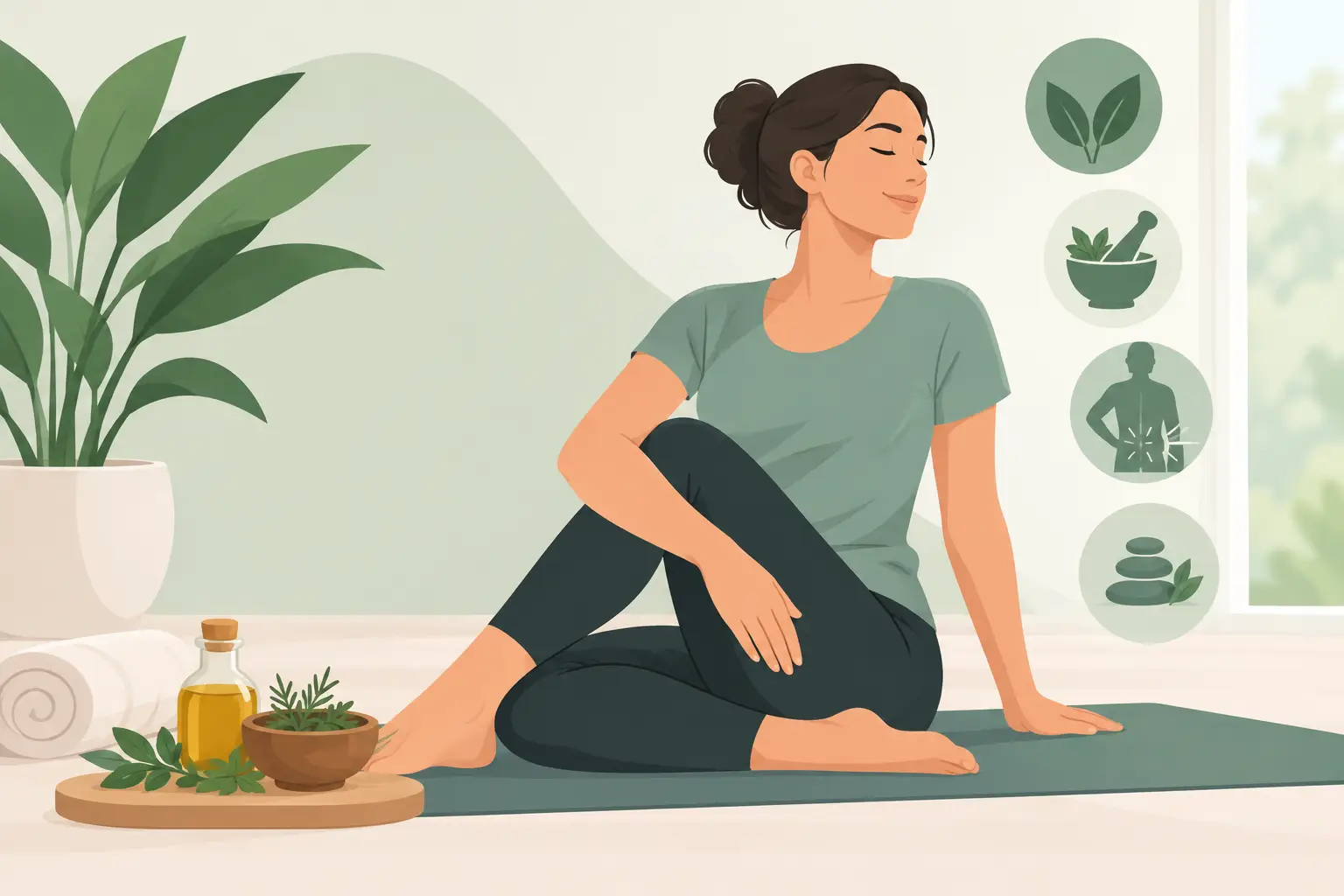
Gentle, appropriate movement often supports circulation, mobility, and a sense of trust in your body. A slow walk, light stretching, chair exercises, water movement, or a few minutes of mobility work may be enough to begin. The right choice depends on your condition, current ability, and medical guidance.
The goal is not to earn relief by working harder. It is to practice safe movement that leaves you feeling the same or a little better, rather than significantly worse. Start below your limit. If you have been inactive, even two or three minutes is a valid beginning.
Change the Message With Breath and Relaxation
Pain can put the body into a protective state. The jaw clenches, shoulders rise, the belly tightens, and breathing becomes short. Slowing the breath gives the nervous system a different signal: there may be enough safety, in this moment, to soften.
Try placing both feet on the floor and letting your hands rest comfortably. Breathe in gently through your nose. Then let the exhale be a little longer than the inhale, without straining. As you breathe out, allow your shoulders to drop and your jaw to unclench. Continue for two to five minutes.
This practice will not erase every source of pain. It can, however, reduce the added layer of tension that often makes pain feel louder. Many people find it especially useful before sleep, during a stressful conversation, or at the first sign of a tension headache.
Make Sleep Part of Your Pain Care
Poor sleep and pain can feed each other. Pain makes it difficult to settle down, and fatigue can make the next day’s discomfort feel more intense. Rather than aiming for a perfect bedtime routine, choose one or two repeatable signals that tell your body the day is ending.
You might dim lights, step away from upsetting news, do a few slow stretches, listen to calming audio, or write down tomorrow’s tasks so they are not circling in your mind. If you wake with pain, avoid judging yourself for being awake. Return to slow breathing, adjust your position if needed, and focus on comfort rather than forcing sleep.
The Emotional Side of Physical Discomfort
Anger, grief, fear, disappointment, and old emotional wounds do not always show up as tears or words. Sometimes they show up as a clenched stomach, a tight chest, an aching back, or exhaustion that does not lift with one good night of rest.
Emotional release is not a replacement for medical care, and it is not a claim that every condition has an emotional cause. It is an invitation to notice what you have been carrying. Giving emotions a safe place to move can reduce internal strain and help you respond to pain with more compassion.
Journaling, talking with a trusted professional, prayer, meditation, creative expression, and healing-oriented energy practices can all be supportive. The best practice is the one that helps you feel more grounded, not more overwhelmed. If a memory or feeling becomes too intense, pause and seek qualified support.
At EnergyMDT, the focus is on helping people learn reusable self-management techniques that address physical discomfort alongside stress, emotional patterns, and the desire for a more joyful life. You do not have to hand over your power to begin receiving support. You can learn skills, practice them at home, and return to them whenever life feels heavy.
Build a Plan You Can Use on a Hard Day
Natural pain relief becomes more useful when you decide what to do before a flare-up catches you off guard. Keep your plan simple and specific. You might choose a morning mobility practice, a brief breathing reset before lunch, a supportive heat or cold routine recommended for your situation, and a calming practice before bed.
Think in terms of layers. Movement may help stiffness. Hydration and regular meals may prevent the depleted feeling that worsens pain. Boundaries may reduce the stress load that keeps your nervous system activated. Emotional support may help you stop carrying everything alone.
It also helps to release the all-or-nothing mindset. A painful day does not mean you have failed. A setback can be information: perhaps you need more rest, a slower pace, a different movement, or additional medical assessment. Healing is rarely a straight line, but small choices can still create meaningful change.
Know When to Seek Medical Care
Natural tools can complement medical care, but some pain needs prompt evaluation. Seek emergency help for chest pain, trouble breathing, sudden weakness or numbness on one side, confusion, fainting, a severe sudden headache, or pain after a major injury.
Contact a healthcare professional promptly for pain that is new and severe, steadily worsening, accompanied by fever, unexplained weight loss, bowel or bladder changes, persistent numbness, or difficulty walking. If pain has lasted for weeks, disrupts sleep or daily activities, or requires you to rely heavily on medication, an evaluation can help clarify what support is needed.
Bring your natural practices into the conversation with your provider. A thoughtful plan can include medical evaluation, physical therapy, counseling, appropriate medication when needed, and self-care strategies. This is not about choosing one side. It is about building care that respects the whole of you.
Pain may be part of your experience right now, but it does not have to become your identity or your future. Start with one gentle practice today, listen to what your body tells you, and let each small moment of relief remind you that greater ease is possible.