

Posted On 21 Sep 2026
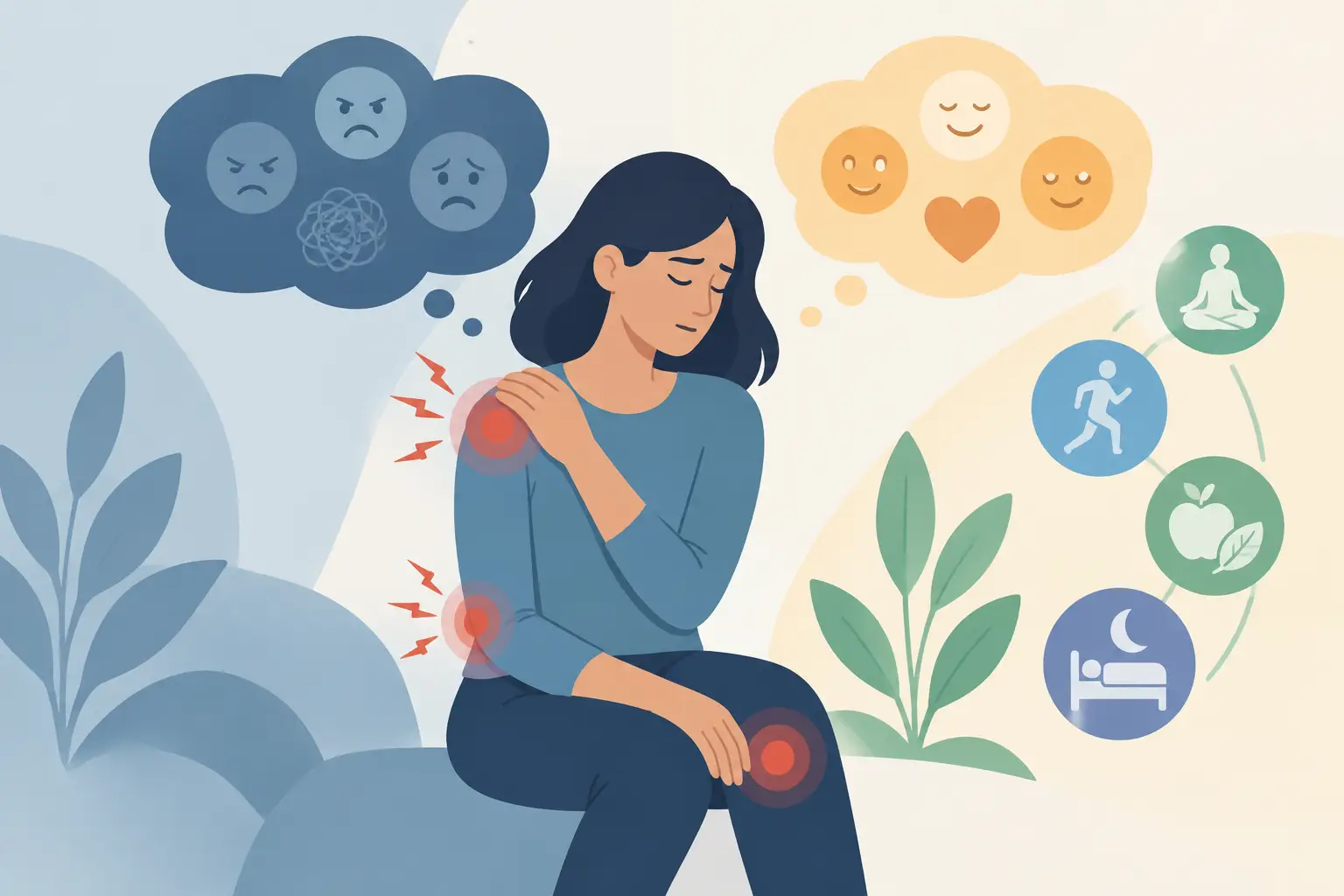
A tight neck before a difficult meeting. A headache after an argument. Back pain that flares when life feels overwhelming. These experiences are not imagined, exaggerated, or “all in your head.” They are real examples of how emotions affect physical pain. Your body and your emotional life are in constant conversation, and when that conversation is filled with fear, anger, grief, pressure, or unresolved hurt, the body may speak louder.
Pain deserves respect. It can limit your mobility, sleep, work, relationships, and confidence. At the same time, pain can become an invitation to listen more deeply – not only to the physical symptom, but also to the stress, beliefs, habits, and emotional patterns that may be adding to it. Do NOT let pain control you. Learning to recognize this connection can give you more choices, more ease, and a practical path toward reclaiming your well-being.
How emotions affect physical pain
Your brain does not separate physical danger from emotional danger as neatly as most people assume. When you feel threatened, rushed, rejected, angry, or deeply sad, your nervous system may shift into a protective stress response. Muscles tighten, breathing becomes shallower, heart rate may rise, digestion can change, and the body becomes more alert to sensation.
This response is useful in a true emergency. The problem is that many people live with the stress response switched on for far too long. A demanding job, caregiving responsibilities, financial pressure, chronic conflict, grief, trauma, or a harsh inner voice can keep the body braced for impact. Over time, that ongoing tension may contribute to headaches, jaw pain, shoulder and neck discomfort, digestive symptoms, fatigue, and increased sensitivity to existing pain.
Emotions do not mean that every pain condition has an emotional cause. An injury, illness, arthritis, nerve issue, or other medical condition needs appropriate care and evaluation. Yet even when there is a clear physical cause, stress and emotional distress can influence how intensely the nervous system experiences pain. Addressing both sides is not dismissing the body. It is caring for the whole person.
Stress can turn up the volume
Think of pain as an alarm system. Sometimes the alarm accurately signals immediate danger. Sometimes, especially after long-term stress or repeated pain, the system becomes highly sensitive. Small sensations can feel more urgent, and a familiar ache can flare quickly when you are exhausted or emotionally overwhelmed.
This is one reason a pain flare may seem to arrive “out of nowhere.” The trigger may not be a new physical injury. It may be poor sleep after several stressful nights, a difficult conversation, an anniversary connected to loss, or a day spent pushing through without rest. Your body may be responding to a full load, not one isolated event.
Anger, grief, and fear have physical expressions
Different emotions can show up in different ways. Anger may be held as clenching in the jaw, fists, shoulders, or stomach. Fear can create a racing heart, trembling, chest tightness, and shallow breathing. Grief may bring heaviness, low energy, body aches, or a feeling of pressure in the chest. Shame and self-judgment can make people withdraw, overwork, or ignore the body’s need for rest.
There is no universal map that says one emotion always lives in one body part. People are unique. What matters is becoming curious about your own patterns without blaming yourself for having them. Your symptoms are not a personal failure. They may be messages that your system needs safety, support, expression, or a new way of responding.
Why unprocessed emotions can keep the body tense
Many of us learned to keep going no matter what. We may have been taught not to cry, not to get angry, not to need help, or not to inconvenience anyone. These survival habits can help a person get through a hard moment. But when feelings are repeatedly pushed aside, the body may carry what the mind has not had space to process.
Unprocessed emotion does not have to mean reliving every painful event or forcing yourself into intense memories. It can begin much more gently. It may mean admitting, “I am overwhelmed.” It may mean allowing tears after a loss, naming resentment before it becomes constant tension, or noticing that your body hurts more when you feel powerless.
Emotional release is not about becoming emotional all the time. It is about allowing feelings to move through rather than requiring your body to hold them alone. When emotions are acknowledged with compassion, the nervous system often has a better chance to settle.
Practical ways to calm pain and emotional stress
You do not need to wait until pain is unbearable to support your body. Small, repeatable practices can interrupt the cycle of stress, tension, and increased discomfort. The goal is not to force pain away or pretend everything is fine. The goal is to give your system signals of safety and build confidence in your ability to respond.
Start by pausing when you notice a flare. Place one hand where you feel tension, if that is comfortable, and take a slower breath. Ask yourself: What am I feeling right now? What happened before this pain increased? What does my body need in this moment? The answer might be water, food, a stretch, a boundary, a few quiet minutes, a walk, or permission to stop pushing.
Gentle movement can help when it is appropriate for your condition. A short walk, light stretching, shaking out the hands and shoulders, or changing positions can remind the body that it is capable of movement without danger. On other days, rest may be the wiser choice. Personal agency includes listening to your body rather than following a rigid rule.
Your inner language matters, too. Statements such as “My body is broken” or “This will never end” can increase fear and tension, especially during a flare. Try a more supportive statement that remains honest: “This is difficult, and I can take one helpful step.” “My body is asking for care.” “I do not have to solve everything right now.” These phrases do not deny pain. They reduce the additional suffering created by panic and judgment.
Creating a regular emotional check-in can also be powerful. Spend a few minutes writing what you are feeling without editing it. Notice recurring triggers. If anger, grief, trauma, or fear feels too large to manage alone, seek qualified professional support. Healing-oriented sessions, wellness practices, and therapeutic care can complement medical treatment and help you build tools that work in daily life.
When pain needs medical attention
Holistic self-care is valuable, but it is not a substitute for medical evaluation when symptoms are new, severe, worsening, or concerning. Seek urgent care for symptoms such as chest pain, trouble breathing, sudden weakness or numbness, confusion, a severe sudden headache, loss of bladder or bowel control, or pain following a serious injury.
For chronic or recurring pain, consider working with your health care provider while also exploring stress-management and emotional wellness practices. The best approach is often both-and: appropriate medical care for the physical condition, alongside practical support for the emotional and nervous-system patterns that may intensify it.
Reclaim a more peaceful relationship with your body
Pain may have taught you to distrust your body, avoid activity, or fear the next flare. That response makes sense when you have been hurting for a long time. But your body is not your enemy. It is doing its best to protect you, even when its signals feel exhausting or confusing.
At EnergyMDT, the focus is on helping people develop reusable tools for stress relief, emotional release, and greater personal freedom. You deserve approaches that honor the physical, emotional, mental, and spiritual parts of your experience – and that leave you with practices you can use when life gets hard.
Start with one compassionate question today: “What am I carrying that my body may be trying to express?” You do not need to have the perfect answer. A few quiet breaths, a truthful moment, and one caring action can be the beginning of more ease, joy, and trust in yourself.


