

Posted On 09 Oct 2026
Pain can make your world smaller before you fully realize it has happened. You may decline invitations, move more cautiously, sleep lightly, or plan every errand around what your body might tolerate. Chronic pain recovery is not about forcing yourself through that reality or pretending your symptoms are not serious. It is about creating more room for ease, choice, and confidence while learning what your body, emotions, and daily patterns may be communicating.
For many people, pain is not only physical. It can be shaped by stress, grief, fear, frustration, old emotional wounds, difficult relationships, work pressure, and the exhausting habit of putting everyone else first. A holistic approach does not dismiss medical care or suggest pain is “all in your head.” It recognizes that you are a whole person, and every part of you deserves support.
Why Chronic Pain Can Feel So Hard to Change
When pain has lasted for months or years, your nervous system may become accustomed to staying on alert. A tense conversation, a packed schedule, poor sleep, or a painful memory can add another layer of strain to a body that already feels burdened. Muscles tighten. Breathing gets shallow. Thoughts race toward the worst-case scenario. The body can begin treating ordinary demands as threats.
This does not mean you caused your pain. It means there may be more than one pathway toward relief. Addressing stress and emotional overload can help create conditions in which your body feels safer, calmer, and better able to recover.
There is also a practical challenge: pain often changes your habits. You may stop moving in ways you once enjoyed, avoid rest because you feel behind, or push through until you crash. Some avoidance is wise, especially when an activity causes injury or severe flare-ups. But a life organized entirely around fear of pain can gradually reduce mobility, confidence, and joy.
The goal is not to blame yourself for these adaptations. They were attempts to cope. The goal is to notice them with compassion and begin choosing responses that support your well-being.
Chronic Pain Recovery Is More Than Symptom Control
A symptom-focused plan asks, “How do I make this feeling go away?” That question is understandable. Yet chronic pain recovery can become more sustainable when you also ask, “What helps me feel regulated, supported, and present in my own life?”
Sometimes relief comes through medical evaluation, physical therapy, sleep changes, movement, nutrition, or medication. Sometimes it comes through learning to settle the stress response, process anger or grief, set healthier boundaries, and stop carrying emotional weight that was never yours to hold. Most often, it is a combination.
Your path will depend on your diagnosis, health history, current support, and the kind of pain you experience. New, sudden, severe, or worsening pain needs prompt medical attention. A holistic wellness practice can complement appropriate care, but it should not replace medical assessment for symptoms that need diagnosis or treatment.
What you can begin to reclaim right now is your relationship with your body. Instead of seeing it as an enemy that has betrayed you, you can practice listening without panic. Instead of judging yourself for needing rest, you can learn to rest with purpose. Instead of waiting for a perfect pain-free day to live, you can begin building small moments of freedom today.
Start With a Daily Reset, Not a Massive Overhaul
When you are exhausted, a complicated wellness plan can become one more thing to fail at. Start smaller. A few consistent minutes of self-care may be more valuable than an ambitious routine you cannot sustain.
Try creating a brief reset at a predictable point in your day, such as before work, after caregiving responsibilities, or before bed. The purpose is not to demand instant results. It is to give your nervous system repeated signals that it does not have to remain in survival mode.
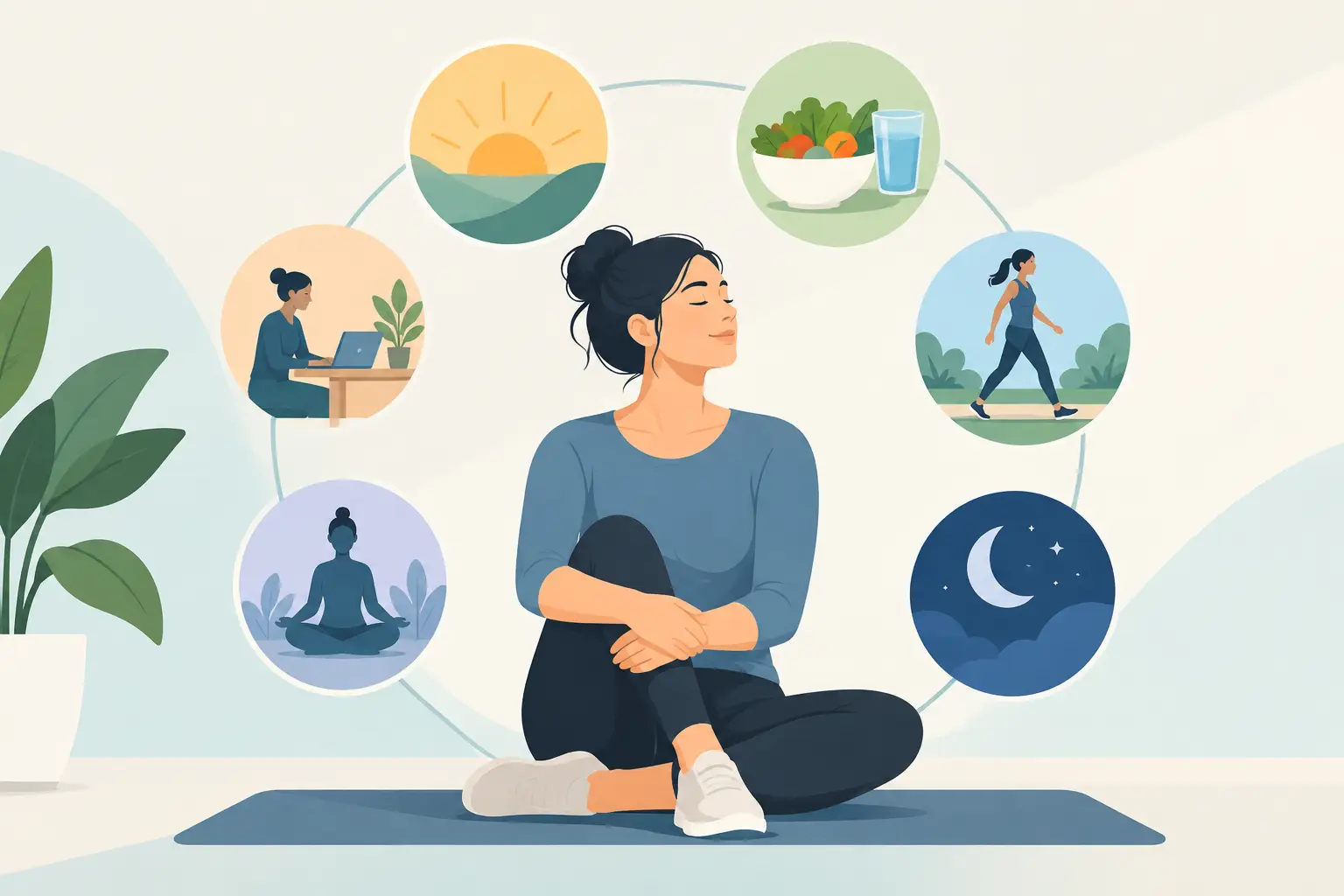
A simple reset may include these five actions:
- Pause and notice where you are holding tension, without trying to judge or fix it immediately.
- Take several slower breaths, allowing the exhale to be longer and softer than the inhale.
- Name what you are feeling beneath the pain, such as fear, anger, sadness, loneliness, or overwhelm.
- Choose one gentle support for your body, such as stretching, warmth, hydration, a short walk, or quiet rest.
- Ask yourself, “What is one kind thing I can do for myself in the next hour?”
These practices are not a cure-all. Their strength is repetition. Over time, they can interrupt the familiar cycle of pain, tension, alarm, and more pain. They also help you become more aware of patterns. Perhaps your symptoms rise after difficult phone calls, skipped meals, long periods at a desk, conflict, or nights when you do not give yourself time to decompress.
Awareness is not about becoming hypervigilant. It is about gathering information with curiosity so you can make kinder, more useful choices.
Make Space for Emotional Relief
Many people living with ongoing pain have been told to stay positive, be strong, or simply manage better. Those messages can leave little room for honest emotion. Yet unexpressed anger, grief, resentment, and disappointment do not disappear because we ignore them. They can continue to drain energy and keep the body in a guarded state.
Emotional relief does not require reliving every painful event. It can begin with acknowledging what is true. You may be angry about how much pain has taken from you. You may grieve the version of life you expected to have. You may feel guilty because your family or work responsibilities have not stopped. These feelings are human. Giving them compassionate attention can be part of healing.
Journaling, guided reflection, prayer, meditation, energy-based wellness practices, or speaking with a trusted professional can all offer a place to process what has been held inside. The best approach is the one that feels safe and realistic for you. If trauma is part of your experience, trauma-informed mental health support can be especially valuable.
Build Confidence Through Gentle Evidence
Pain can teach you to expect limitation. To rebuild trust, look for small evidence that your body and life still contain possibility. That might mean standing outside for five minutes, cooking a simple meal, taking a short walk, laughing with a friend, or completing a task without criticizing yourself afterward.
Pacing matters. If you do too much on a better day, you may trigger a setback that reinforces fear. If you do too little because you are afraid of a flare-up, your world may shrink further. The middle path is gentle experimentation: do what feels manageable, notice the response, rest before you are depleted, and adjust without shame.
This is where a support system can help. Working with a provider, therapist, movement professional, or wellness facilitator can give you encouragement and structure. EnergyMDT’s healing-centered approach focuses on practical tools you can revisit independently, because real empowerment means having support available within your own daily life.
Let Recovery Include Joy
You do not have to earn joy by becoming pain-free first. Joy is not denial. It is nourishment. A favorite song, a meaningful spiritual practice, time in nature, creative expression, humor, and connection can remind your system that life contains more than vigilance.
This is not about pressuring yourself to be cheerful. Some days will be difficult, and honoring that truth is part of self-respect. But even on hard days, there may be one small experience that brings comfort or peace. Let that count.
Do NOT let pain control every decision, every relationship, or every image you hold of your future. Your recovery may not be linear, and it may ask for patience. Still, each moment you choose awareness over self-judgment, gentle action over fear, and support over isolation is a meaningful step toward reclaiming your health, ease, and joy.


