

Posted On 06 Oct 2026
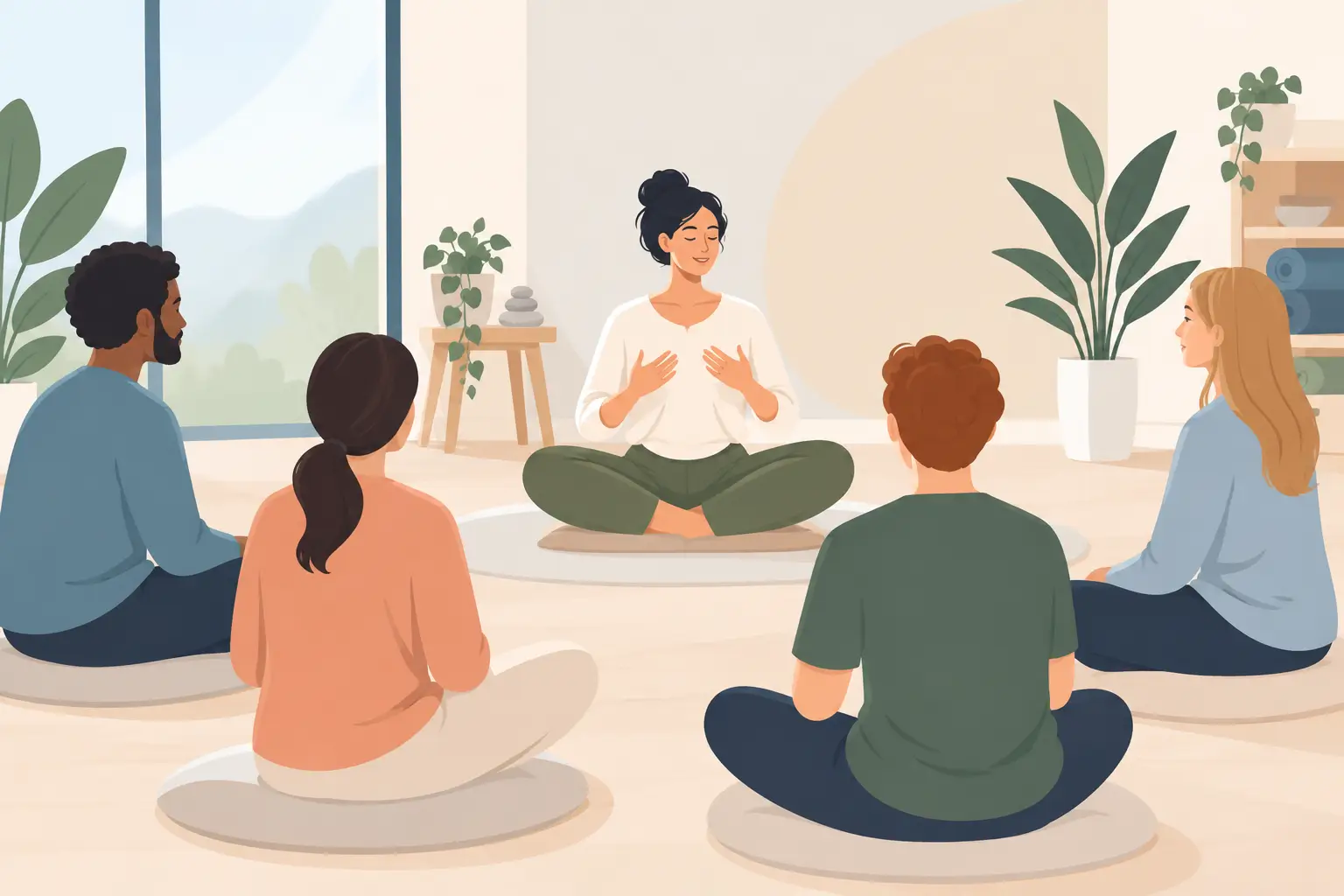
Your body may be asking for help long before you call it a problem. It might show up as tight shoulders at your desk, a racing mind at 2 a.m., irritation with people you love, or pain that keeps you from doing what once brought you joy. Wellness workshops create a dedicated space to pause, understand what is happening beneath the surface, and practice new ways to support yourself.
For many people, stress and pain are not separate experiences. A demanding job can lead to poor sleep, shallow breathing, muscle tension, and less patience at home. Grief may feel emotional, yet it can also affect energy, concentration, digestion, and the willingness to make plans. When the same patterns repeat, it is easy to believe you simply have to endure them.
You do not. You can learn tools that help you respond differently, gently release what no longer serves you, and reclaim more ease in your daily life.
What Wellness Workshops Can Offer
Meaningful wellness workshops are more than an hour of pleasant conversation or a short break from a difficult week. It is guided education and practice designed to help you recognize your patterns, experience supportive techniques, and leave with approaches you can use again on your own.
This matters because insight alone does not always create change. You may know that stress affects your body, but still feel overwhelmed when your calendar fills up, an old memory is triggered, or pain flares without warning. A well-facilitated workshop gives you time to work with the moment rather than merely think about it.
Holistic wellness workshops may address physical discomfort, emotional strain, mental overload, and spiritual disconnection together. That does not mean every ache has one simple cause or that positive thoughts can erase serious hardship. It means your experience deserves to be viewed as a whole. Physical symptoms can be influenced by stress, habits, beliefs, unprocessed feelings, relationships, and the demands you carry. Looking at those connections can reveal new choices.
For someone living with recurring pain, the goal may be to build calming practices that reduce tension and support a sense of control. For a caregiver, it may be learning how to create a few minutes of restoration without waiting for a full day off. For a person moving through grief or anger, it may be finding a safe, nonjudgmental way to acknowledge emotion rather than pushing it down until it becomes exhausting.
Why Practice Matters More Than Information
There is no shortage of wellness advice. Most people have heard that they should breathe deeply, rest more, move their bodies, and manage stress. The challenge is applying those ideas when life is loud, and your nervous system is already on high alert.
Wellness workshops help bridge that gap. Instead of receiving a vague instruction to relax, participants can be guided through specific self-management techniques and notice how their body, thoughts, and emotions respond. They can ask questions, make adjustments, and identify what feels realistic for their circumstances.
That practical element is especially valuable when you have tried to “power through” for years. Constantly pushing past discomfort may keep you functioning for a while, but it can also leave little room for restoration. A workshop invites a different approach: paying attention without fear, choosing a supportive practice, and repeating it often enough for it to become available when you need it.
Progress is not always dramatic. Sometimes the first change is recognizing tension before it becomes a headache. Sometimes it is pausing before an angry response, sleeping a little more soundly, or realizing that you have permission to care for yourself without earning it first. These small shifts can build real confidence because they remind you that you are not powerless.
Wellness Workshops for Stress, Pain, and Emotional Healing
The right topic depends on what is weighing most heavily on you right now. Wellness workshops such as Stress-management workshops can help you understand the cycle between pressure, thoughts, physical tension, and depleted energy. They often focus on ways to regulate your response before stress spills into your health, work, or relationships.
Pain-relief-focused education can be useful when discomfort has made you fearful, frustrated, or less active. Holistic practices are not a replacement for medical diagnosis or urgent care. Persistent, severe, or changing symptoms deserve appropriate medical attention. At the same time, many people benefit from learning non-medication-based practices that support relaxation, body awareness, and a more compassionate relationship with pain.
Emotional wellness workshops may explore anger, grief, trauma, self-judgment, or the beliefs that keep you stuck. These subjects require care. No workshop should pressure you to share personal details before you are ready or promise a quick fix for deep pain. A supportive setting respects your pace while offering tools for emotional release, reflection, and healthier responses.
Energy-based and spiritually informed approaches can also resonate with people who feel that conventional advice has addressed only part of their experience. Some participants are new to these modalities; others have an established personal practice. In either case, the most helpful facilitation makes the experience accessible, grounded, and focused on what you can use in ordinary life.
How to Choose a Workshop That Serves You
Start with honesty about what you need. Are you seeking relief from daily stress, support through a loss, better ways to manage recurring pain, or a renewed sense of direction? You do not need to have every answer, but naming your main concern can help you choose a workshop with a clear purpose.
Look for a facilitator who explains the intended outcome in plain language. You should know whether the session is educational, experiential, group-based, or individualized. If the workshop uses holistic or energy modalities, the description should still make room for practical questions: What will I learn? What can I practice at home? What support is appropriate if my needs are more intensive?
The format matters, too. Online workshops can be a strong fit for busy professionals, parents, caregivers, and anyone who prefers to participate from a familiar environment. You save travel time and may find it easier to attend consistently. The trade-off is that you need to protect the time, reduce distractions, and give yourself a few quiet minutes afterward to reflect.
A free introductory session or workshop taster can be a wise first step. It lets you experience the facilitator’s style without pressure and notice whether the approach feels respectful, clear, and relevant. Pay attention to how you feel afterward. You do not need instant transformation, but you should feel more informed, supported, or hopeful than when you arrived.
Bringing the Workshop Home With You
The most valuable takeaway is not a page of notes that disappears into a drawer. It is one or two practices you are genuinely willing to use. Choose a simple time to begin: before opening email, while sitting in the car before going inside, after a difficult conversation, or before bed.
Keep the practice small enough to repeat. Five intentional minutes practiced most days can be more powerful than an elaborate routine you abandon after a week. If you miss a day, do not turn that into another reason to judge yourself. Begin again. Healing-oriented wellness is not about performing perfectly. It is about returning to your own well-being with patience and consistency.
It can also help to notice what changes around the practice. Do you react less quickly? Is your breathing easier? Do you have a little more energy for a walk, a meal with family, or work you care about? These observations help you see that wellness is not an abstract goal. It is the ability to be present for your life with more freedom and less fear.
At EnergyMDT, wellness workshops are designed to give participants practical, reusable techniques for managing stress, pain, emotional distress, and the patterns that can keep them in place. The purpose is not dependence on a provider. It is helping you strengthen your capacity to support yourself, one practice at a time.
You have carried enough without a map. Give yourself permission to learn, practice, and receive support. The next small moment of ease may be the beginning of a life where pain and stress no longer get to make every decision for you.


