

Posted On 02 Nov 2026
A tight neck before a meeting. A familiar ache that flares after a hard conversation. Exhaustion that remains even after you have slept. These experiences are not always separate problems. Online wellness workshops can help you recognize how physical pain, stress, emotions, habits, and inner beliefs may interact – and give you practical ways to respond with more ease.
You do not have to wait until stress becomes unbearable or pain takes over your schedule to seek support. A well-led workshop creates space to learn, practice, ask questions, and begin using tools that belong to you. The goal is not to become dependent on someone else for every difficult day. It is to build skills that help you reclaim calm, confidence, comfort, and joy in your own life.
Why Stress and Pain Need a Whole-Person Response
Stress is not just a thought in the mind. It can show up as clenched muscles, shallow breathing, headaches, digestive discomfort, restless sleep, irritability, and a shorter fuse with the people you love. Over time, the body may begin treating ordinary demands as threats. That response can make existing pain feel louder and make recovery feel harder.
Emotional strain can also live beneath the surface. Grief, anger, disappointment, fear, guilt, and unresolved experiences may not disappear simply because we keep moving. Many people become skilled at functioning through distress, especially working adults and caregivers who feel responsible for everyone else. But functioning is not the same as feeling well.
A holistic approach does not suggest that pain is imaginary or that you are responsible for every health challenge you face. It recognizes that your experience deserves more than a symptom-only response. Medical care may be essential, and wellness practices can be a meaningful complement. The most helpful path depends on your needs, history, symptoms, and support system.
What Online Wellness Workshops Can Offer
The strongest online wellness workshops do more than provide a pleasant hour of relaxation. They teach approaches you can return to when stress rises, pain interrupts your day, or an old emotional pattern appears again.
A workshop may include guided breathing, body awareness, mindset practices, emotional release exercises, reflective prompts, meditation, and energy-based techniques. These are not one-size-fits-all solutions. Some people respond most strongly to a quiet grounding practice, while others need movement, focused reflection, or a new way to work with anger and self-judgment.
What matters is that the experience is practical. You should leave with a clearer understanding of what may be contributing to your stress or discomfort and at least one technique you can try on your own. A useful practice is not limited to the workshop screen. It can support you before a difficult conversation, during a demanding workday, after a pain flare, or when you are trying to settle your mind before sleep.
This matters because relief is often built through repetition. One session can create a powerful shift, but lasting change usually comes from noticing your patterns and choosing a different response again and again. Small moments of awareness can become a new relationship with your body and your life.
The Benefits of Learning From Home
Joining from home removes barriers that often keep people from getting support. You may be managing pain that makes travel difficult, a full work calendar, caregiving duties, limited energy, or uncertainty about trying something new. An online format lets you participate from a familiar space without adding another exhausting trip to your day.
Privacy can be another benefit. You can take notes, close your eyes during a guided practice, or simply listen closely in an environment where you feel secure. For people who have spent years minimizing their own needs, that private space can make it easier to be honest about what is really happening.
There are trade-offs. Online learning requires you to protect the time, reduce distractions, and participate with intention. It may not offer the same sense of physical presence as an in-person group. Yet for many people, accessibility and the ability to practice in their actual home environment make virtual workshops especially effective.
How to Choose a Workshop That Supports Real Change
Not every wellness workshop is designed for the same purpose. Before registering, be honest about what you want support with. Are you looking for stress reduction? Better tools for recurring pain? A healthier response to anger? Space to process grief? Help shifting a mindset that keeps you stuck?
Look for a facilitator who can explain the workshop in clear, grounded language. Spiritual and energy-informed practices can be deeply meaningful, but you should never feel pressured to adopt beliefs that do not feel right to you. A compassionate guide makes room for your questions and helps you adapt techniques to your comfort level.
It also helps to choose a workshop that teaches self-management. Insight is valuable, but insight without a practice can fade quickly when life becomes busy. Ask whether you will learn techniques you can repeat independently. The ability to support yourself between sessions is part of personal agency.
Consider the level of support you need as well. A group workshop can be encouraging and affordable, especially when you want to learn foundational practices. Individual healing-oriented sessions may be a better fit when your situation feels deeply personal, complicated, or emotionally intense. There is no failure in needing more focused support.
Arrive Ready to Receive Something Useful
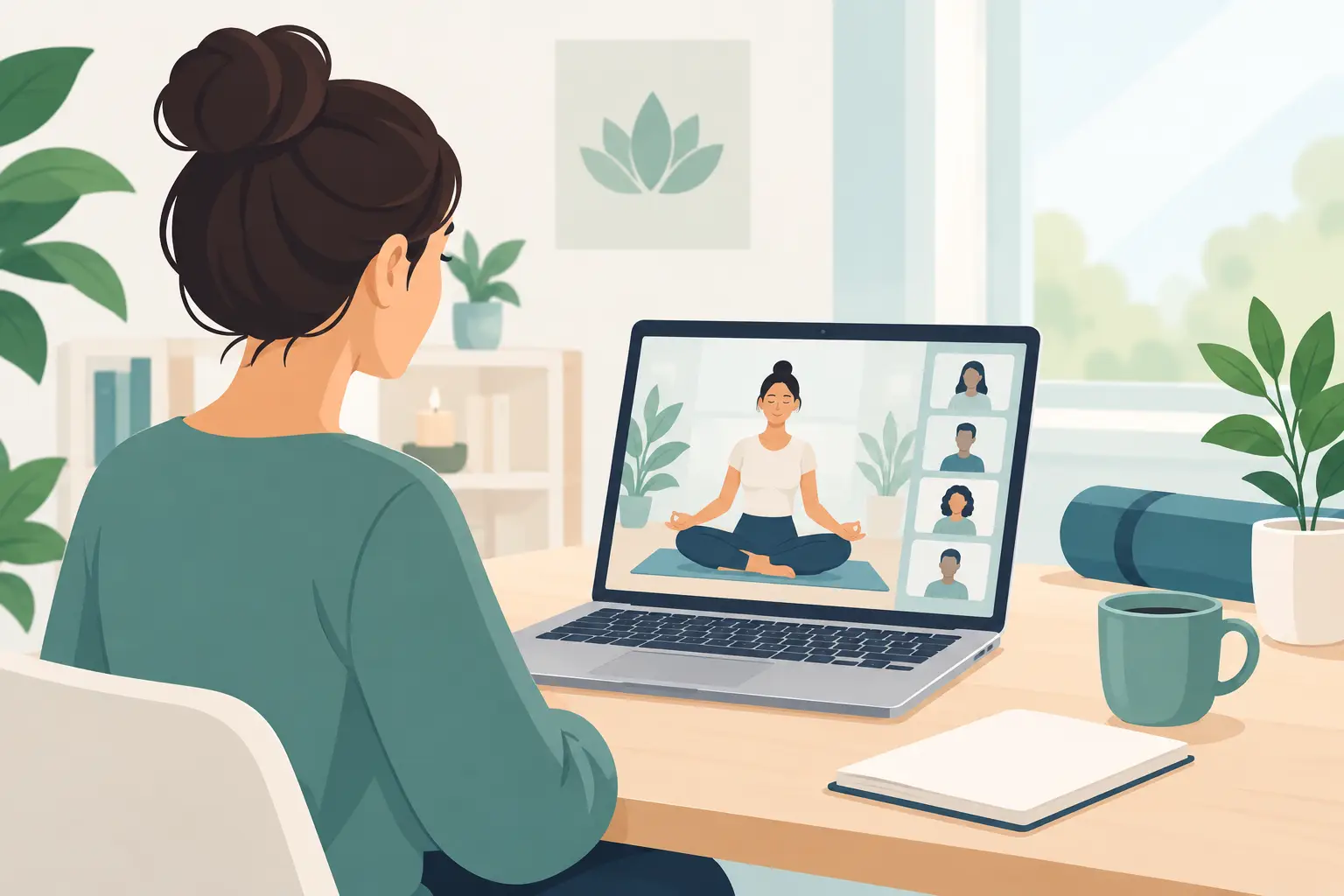
You do not need special equipment or prior wellness experience. You do need permission to give yourself this time. Set up a quiet corner, silence unnecessary notifications, keep water nearby, and have a notebook available. Wear something comfortable enough to breathe and move freely.
Before the workshop begins, take a moment to name what you want. It might be simple: “I want my shoulders to soften.” It might be deeper: “I want to stop carrying this anger alone.” A clear intention does not force a particular outcome. It helps you notice what shifts and what needs continued care.
During the session, let curiosity lead. If a practice feels calming, stay with it. If a prompt brings up more emotion than you expected, slow down. You are allowed to pause, adjust, or simply observe. Wellness is not a performance, and healing does not require you to push past your limits.
Afterward, choose one practice to carry into the week. Five intentional minutes each morning may be more valuable than a long routine you cannot sustain. Notice what changes in your breathing, mood, sleep, reactions, or ability to meet discomfort with kindness. Keep the practice close when life gets loud.
A Different Way to Meet Difficult Days
Pain and stress can convince you that your choices are shrinking. You may begin avoiding activities you enjoy, holding back in relationships, or expecting the next difficult moment before it arrives. That is a heavy way to live.
EnergyMDT approaches wellness as an opportunity to understand the interconnected layers of your experience while learning tools for greater freedom. The work is not about denying hardship. It is about meeting hardship with more awareness, more options, and less fear.
Do NOT let pain, pressure, or old emotional patterns make every decision for you. Start with one practice, one honest moment, one chance to listen to yourself differently. Your next step can be gentle, and it can still lead you toward a life with more ease, abundance, and joy.


