

Posted On 12 Nov 2026
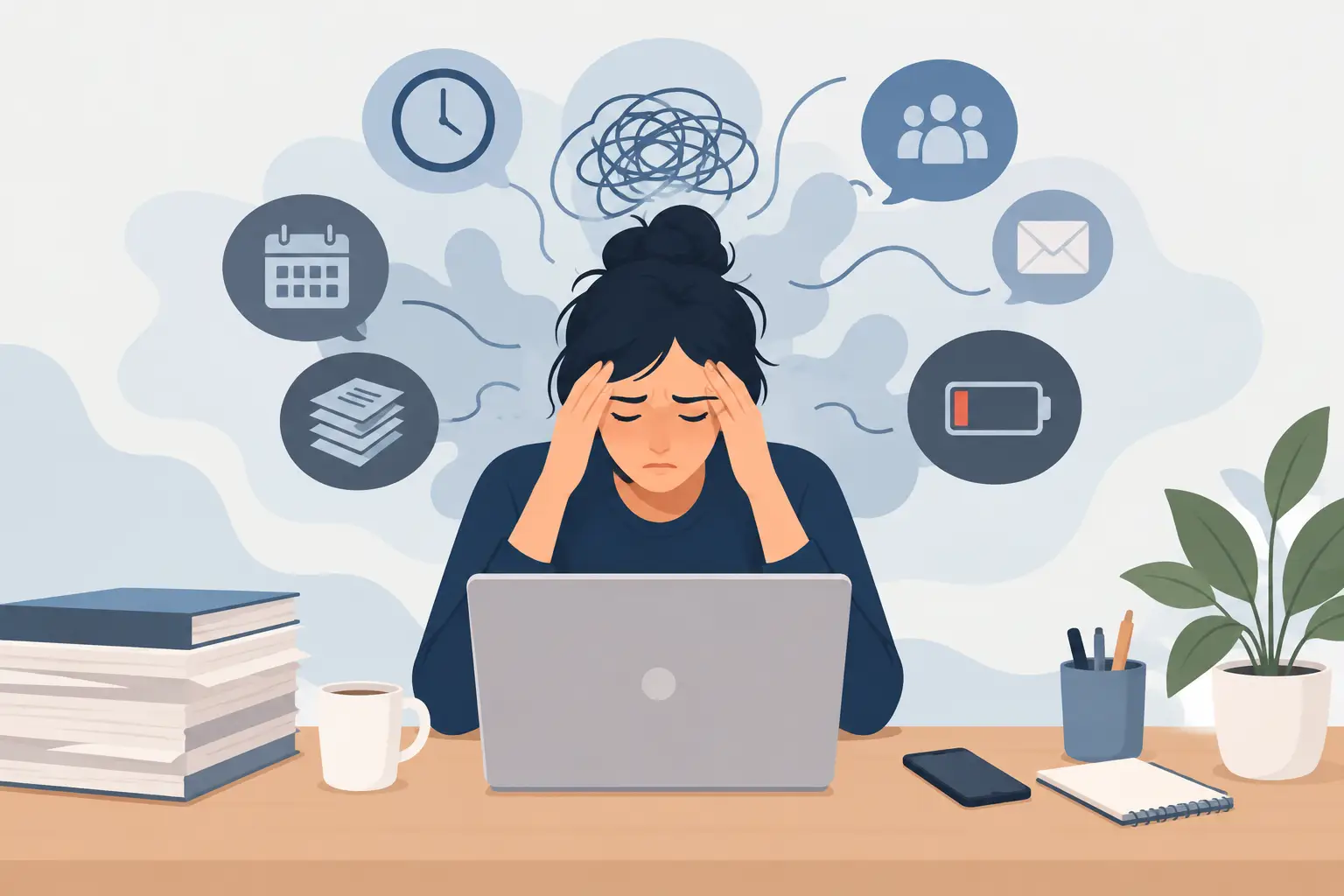
A full calendar is not always the problem. Many people can move through a demanding season and still feel connected to themselves. Burnout begins when the demands keep coming while your ability to rest, feel supported, make choices, and recover keeps shrinking. If you have been asking what triggers burnout, the answer is rarely one bad week. It is usually a pattern of prolonged strain that asks too much of your body, mind, emotions, and spirit.
Burnout can make even simple tasks feel heavy. You may dread work you once cared about, feel impatient with people you love, lose motivation, or notice recurring tension, headaches, poor sleep, and pain. This is not a personal failure. It is information. Your system may be signaling that the way you have been carrying life is no longer sustainable.
What Triggers Burnout in Everyday Life?
Burnout is often associated with work, but employment is only one possible source. Caregiving, grief, financial pressure, chronic pain, relationship conflict, discrimination, perfectionism, and major life changes can all create the same ongoing drain. What matters most is the combination of high demand, low recovery, and a growing sense that you have little control or support.
Too much responsibility without enough recovery
The most obvious trigger is sustained overload. Perhaps you are meeting deadlines, managing a household, caring for children or aging parents, and trying to keep everyone else comfortable. You may tell yourself that things will slow down after this project, appointment, school year, or family crisis. Yet another urgent need appears.
The body is designed to respond to short bursts of stress. It is not designed to stay on alert for months or years. When rest becomes something you earn after everything is finished, rest may never arrive. Sleep alone may not be enough if your mind remains busy, your muscles remain braced, or your emotions have no safe place to go.
Lack of control and unclear expectations
A demanding role can feel manageable when you have choices, clear priorities, and the authority to do your work well. It becomes far more draining when expectations shift constantly, resources are limited, and no amount of effort feels sufficient.
This can happen at work, at home, and in caregiving. Being responsible for outcomes you cannot fully control creates helplessness. Over time, that helplessness can turn into resentment, numbness, anxiety, or the feeling that nothing you do makes a difference.
Emotional labor that goes unseen
Some people are not only doing tasks. They are also tracking everyone else’s moods, smoothing conflicts, remembering details, anticipating needs, and trying to prevent disappointment. This invisible emotional labor is especially common among caregivers, helpers, managers, and people who learned early in life that being useful was the safest way to be valued.
Compassion is a strength. But compassion without boundaries can become depletion. If you are always the calm one, the fixer, or the person who says yes, ask yourself: Where do your own feelings go? Unexpressed anger, grief, fear, and disappointment do not simply disappear. They can show up as fatigue, tension, irritability, or a sense of disconnection from yourself.
Perfectionism and the fear of letting people down
Burnout is not always caused by an impossible workload. Sometimes the workload becomes impossible because every task must be done flawlessly. Perfectionism can make you spend twice as much energy on work that only needed to be complete, clear, and good enough.
The deeper trigger is often fear: fear of criticism, rejection, losing security, or being seen as inadequate. That fear may push you to overwork even when no one is asking you to. High standards are not the enemy. The problem is when your worth feels tied to constant performance and there is no room to be human.
Values conflict and loss of meaning
You can work hard and still feel energized when your effort feels meaningful and aligned with your values. But when you are asked to act against what you believe, tolerate disrespect, or spend every day on work that feels empty, exhaustion can deepen quickly.
This is sometimes called moral distress. A health care worker may not have enough time to care for patients as they want to. A parent may need to work hours that pull them away from family. A leader may be pressured to make decisions that do not feel fair. The strain is not only physical. It is emotional and spiritual.
Chronic stress, pain, and unprocessed experiences
Chronic pain and chronic stress can feed each other. Pain can limit sleep, movement, social connection, and confidence. Stress can tighten the body, amplify discomfort, and make recovery feel harder. If you are managing pain while continuing to meet every responsibility, your energy reserve may be lower than others can see.
Unprocessed grief, trauma, anger, and old judgments can also keep the nervous system in a protective state. This does not mean you caused your burnout or that you should blame yourself for difficult experiences. It means your whole experience matters. Lasting relief often requires more than pushing through symptoms. It may require gentle attention to the emotional and energetic burdens you have been carrying.
Burnout Is Not the Same as Ordinary Stress
Stress can be intense and still temporary. You may feel pressured before a presentation or overwhelmed during a busy month, then return to yourself after the demand passes. Burnout feels more persistent. Rest may not feel restorative. Motivation can fade. You may become cynical, detached, forgetful, tearful, or unable to make even small decisions.
Burnout also looks different from person to person. One person becomes restless and overproductive. Another withdraws, procrastinates, or feels emotionally flat. Some people keep functioning outwardly while their body sends increasingly loud signals through insomnia, digestive issues, headaches, muscle tension, or recurring pain.
These symptoms can overlap with depression, anxiety, trauma responses, medical conditions, and medication effects. If symptoms are severe, persistent, or affecting your safety, daily functioning, or ability to care for yourself, seek support from a qualified health professional. Holistic self-care can be powerful, and it works best alongside appropriate medical and mental health care when needed.
How to Interrupt the Burnout Pattern
You do not need to solve your entire life this week. Trying to overhaul everything at once can become one more demand. Begin by noticing where your energy is leaving and what helps it return.
First, name the real source of strain. Instead of saying, I am just tired, be specific. Are you overloaded, unsupported, grieving, in pain, afraid to say no, or carrying resentment? Clarity reduces self-judgment and helps you choose a response that fits the problem.
Next, create a small daily recovery practice that your body can trust. A few minutes of slow breathing, quiet sitting, gentle stretching, a walk without your phone, journaling, prayer, or an energy-based self-management practice can help signal safety. The goal is not to force relaxation. The goal is to give your system repeated experiences of being allowed to come down from alert.
Then look at boundaries with compassion rather than guilt. A boundary may be declining an extra task, asking for a clearer deadline, taking a real lunch break, limiting emotionally draining conversations, or letting someone else handle a responsibility. Boundaries are not punishment. They are a practical way to protect the energy required for your health, relationships, and purpose.
It also helps to make room for feelings before they become symptoms. You may need to cry, speak honestly with a trusted person, write an uncensored page, or acknowledge anger without acting it out. Emotional release is not weakness. It can be part of returning to balance.
Finally, reconnect with one thing that belongs to you. Burnout narrows life until it becomes only obligation. Choose a small source of joy, creativity, nature, movement, spiritual connection, or laughter. This is not frivolous. Joy reminds you that you are more than what you produce for other people.
EnergyMDT approaches stress and pain as interconnected experiences, offering practical tools that can be revisited whenever life feels heavy. The aim is not dependence on a perfect routine or another person to fix you. It is building skills that help you recognize your patterns and respond with greater ease.
You do not have to wait until you completely crash to honor what your body and heart have been telling you. One honest pause, one supported conversation, and one clear no can be the beginning of reclaiming your energy. Start where you are, gently and truthfully. Your wellbeing is worth protecting today.


