

Posted On 25 Nov 2026
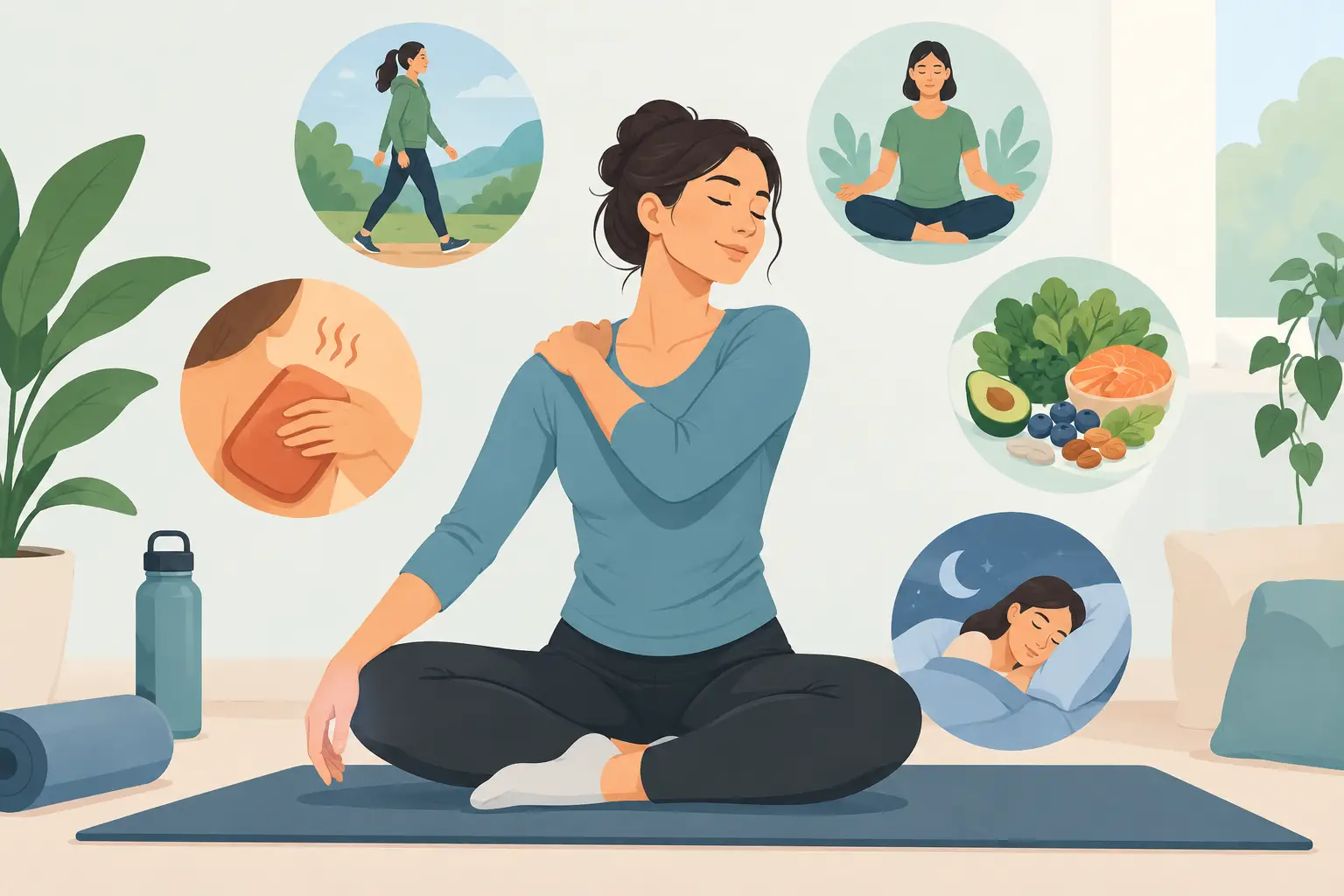
Pain can make even ordinary moments feel like hard work. Getting through a meeting, lifting a grocery bag, sleeping through the night, or being patient with the people you love may take more energy than you have. Learning how to manage pain without medication does not mean pretending pain is not real or forcing yourself to push through it. It means building practical, compassionate ways to support your body, mind, emotions, and spirit so pain has less control over your life.
Medication can be appropriate and necessary for many people. Your medical team can help you understand what is safe for your specific condition. But medication is not the only source of relief. Many forms of pain are influenced by stress, muscle tension, sleep, movement patterns, grief, fear, and emotions that have had nowhere to go. When you work with those layers, you create more choices for yourself.
Pain Is More Than a Physical Signal
Pain begins as a physical experience, but it rarely stays in only one place. A tense deadline may tighten your shoulders. A difficult family relationship may leave your jaw clenched. Grief can drain your energy, disrupt sleep, and make an old ache feel louder. When the nervous system stays on alert, the body may remain guarded long after the original stressor has passed.
This does not mean pain is “all in your head.” It means your whole self deserves care. Your physical body, thoughts, beliefs, emotions, habits, relationships, and sense of meaning can all affect how intensely pain is felt and how much it limits your day.
A holistic approach asks a more useful question than, “How do I get rid of this sensation immediately?” It asks, “What does my body need right now to feel safer, softer, and more supported?” Sometimes the answer is movement. Sometimes it is rest. Sometimes it is a boundary, a release of anger, or a few quiet minutes to breathe.
Start With Safety and Clear Medical Guidance
Natural self-management is not a substitute for urgent or ongoing medical care. Seek prompt medical attention for sudden severe pain, chest pain, trouble breathing, weakness on one side of the body, new confusion, high fever, serious injury, loss of bladder or bowel control, or pain that is rapidly worsening.
For recurring or chronic pain, work with a qualified health professional to understand possible causes and appropriate treatment options. Ask about safe movement, physical therapy, sleep concerns, nutrition, and whether any complementary practices fit your situation. This is especially important if you are pregnant, recovering from surgery, managing a serious illness, or experiencing new symptoms.
Then give yourself permission to practice supportive tools alongside that care. You do not have to choose between medical wisdom and personal agency.
How to Manage Pain Without Medication: Begin With Your Nervous System
When pain rises, many people unknowingly brace against it. The shoulders lift, breathing becomes shallow, the belly tightens, and the mind begins predicting the worst. That protective response is understandable, but it can add another layer of strain.
Try this simple reset when you first notice discomfort. Place both feet on the floor or rest one hand over your heart and one over your abdomen. Breathe in gently through your nose. Then make your exhale slightly longer than your inhale, without forcing it. As you breathe out, silently say, “I am here. My body can soften a little.”
Continue for two to five minutes. You are not demanding that pain disappear. You are sending your system a different message: this moment may be difficult, but it is not an emergency. That shift can reduce the stress response that often amplifies pain.
If breathwork feels uncomfortable or makes you anxious, keep your eyes open and focus instead on what you can see, hear, and feel around you. Grounding is meant to create steadiness, not pressure.
Use gentle movement instead of all-or-nothing activity
Pain can lead to two exhausting patterns. Some people stop moving because they fear making symptoms worse. Others push too hard on a good day, then pay for it with a painful flare. Neither response is a personal failure. They are signs that your body needs a more sustainable rhythm.
Gentle, consistent movement can help reduce stiffness, improve circulation, and rebuild trust in your body. Depending on your health needs, that may mean a slow walk, light stretching, chair exercises, water movement, or a few minutes of mobility work. Start below your limit. End while you still feel able to do more.
Pay attention to what happens later, not only during the activity. If a movement causes sharp, increasing, or lingering pain, pause and speak with a qualified clinician. The goal is not to prove toughness. The goal is to create ease and capacity over time.
Release tension where your body holds it
A brief body scan can reveal tension you have stopped noticing. Start at your forehead and slowly move down through your jaw, neck, shoulders, hands, chest, abdomen, hips, legs, and feet. At each area, ask, “Am I holding more than I need to hold?”
Soften one area at a time. Unclench your jaw. Let your tongue rest. Drop your shoulders. Relax your hands. You may also try warmth, a bath, a heating pad used safely, self-massage, or gentle pressure with a tennis ball against a wall. These practices are simple, but small interruptions to tension can add up.
Make Room for the Emotional Layer
Unprocessed feelings do not cause every painful condition, and no one should be blamed for their symptoms. Yet emotions can absolutely change the body’s level of tension and distress. Anger that must be swallowed, grief that feels too heavy to name, fear about finances, or resentment from carrying too much can keep the nervous system working overtime.
Give your feelings a safe outlet. Journal for ten minutes without editing yourself. Speak honestly with a trusted person. Cry if tears come. Sit quietly and ask, “What am I carrying that needs compassion?” You do not need to solve every problem in one sitting. Naming what is true can be a release.
For some people, spiritual practices also bring meaningful comfort. Prayer, meditation, time in nature, gratitude, or simply connecting with a sense of purpose can help pain feel less isolating. The right practice is the one that helps you return to yourself with more peace, not guilt or pressure.
Protect Sleep, Pacing, and Your Energy
Pain and poor sleep often feed each other. A painful night can leave you more sensitive the next day, while stress and overactivity can make it harder to rest. Create a wind-down routine that signals safety to your body: dim lights, reduce stimulating screens, stretch gently, write down tomorrow’s tasks, and use a calming breath or meditation practice.
Pacing matters during the day, too. Instead of waiting until pain forces you to stop, take short recovery breaks before you are depleted. Change positions. Drink water. Step outside. Rest your eyes. If you are a caregiver or a working adult who is used to putting everyone else first, these pauses may feel selfish at first. They are not. They are a way of protecting the energy you need for your life.
Build a Personal Pain-Relief Practice
The most effective natural strategy is usually not one dramatic technique. It is a small collection of tools you can use repeatedly. Notice which practices help you feel calmer, looser, more hopeful, or more able to participate in your day. Keep that list visible for difficult moments.
Your practice might include a morning body check-in, gentle movement at lunchtime, a few minutes of breathing before stressful conversations, and an evening emotional release ritual. On higher-pain days, make the practice smaller rather than abandoning it. One mindful breath still counts. One stretch still counts. One kind thought toward your body still counts.
At EnergyMDT, healing-oriented wellness education is designed to help people build reusable self-management tools, including support for the emotional and energetic patterns that can sit beneath stress and pain. The purpose is not dependence on a provider. It is helping you reclaim the ability to respond to yourself with skill, awareness, and care.
Pain may be part of your story right now, but it does not have to write every chapter. Start with one practice today, meet yourself where you are, and let each small moment of relief remind you that greater ease, joy, and freedom are still possible.


